
Purchasing an older home can be risky, but also rewarding. A lot goes into the decision. For instance, it’s smart to factor in insurance costs, since older homes are often pricier to insure.
Whether you’re a first-time buyer or you’ve lived in older houses before, asking the right questions is key. This helps avoid unexpected repair bills down the road. Here is exactly what you need to look for.
Replacements and Repairs
You need to know if major systems need immediate attention or if they can wait. Ask when the plumbing, electrical, and other key components were last replaced and request copies of the records. Make sure you get the latest details on:
- The water heater
- Plumbing systems
- Windows
- Roof condition
Issues with the Structure
A home won’t last long without a solid foundation. Check for flaws or cracks. If foundation repairs are needed, make sure they are addressed as soon as possible. This prevents you from buying an unsafe house.
Past Maintenance
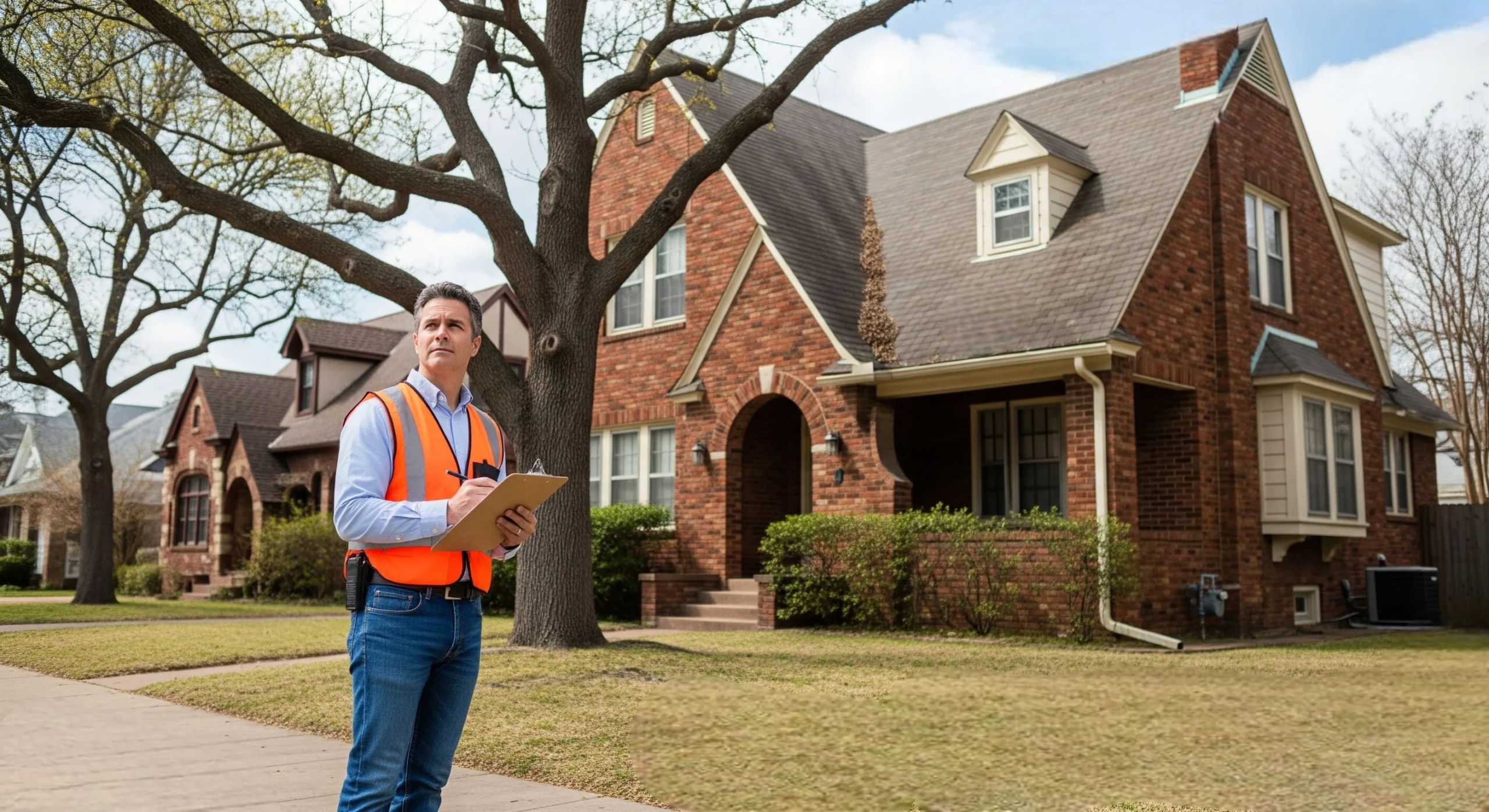
When searching for an older home, ask for detailed maintenance records, specifically:
- Who performed the work (company names)
- Specific contractor names
- Dates of service
Knowing who did the repairs gives you insight into the quality. Work done by licensed pros is generally more trustworthy than undocumented or DIY projects.
Home buyers in North Texas often seek opinions from DFW foundation experts to assess whether previous work was correctly done.
The Heating System
Older heating systems often struggle to circulate heat efficiently. If you plan to install a new HVAC system, keep in mind that labor is the highest expense. Older units also require constant maintenance and can be a hassle.
Is There Insulation?
Proper insulation keeps you warm and lowers energy costs. If the property has never been renovated, chances are the insulation is old, settled, or uneven.
Are the Walls Lath and Plaster or drywall?
Lath and plaster walls can be a headache when hanging heavy artwork or mounting a TV. Old walls don’t have a strong threshold and can crack easily if you try to hammer in a nail. Ask the seller about the wall material to avoid damaging them.
The Windows and Roof
Have the windows ever been replaced? Replacing them can be costly, so you need to know this upfront. Drafty windows are a non-negotiable expense for the wintertime.
As for the roof, ask when it was last repaired or replaced. This helps you estimate when you’ll need to fix it. Without proper records, you have to assume the roof has suffered from typical wear and tear.
Drainage and Flood Risks
Is the property built on land that is prone to flooding or poor drainage? Older homes often have outdated drain tiles or small window wells that cause drainage issues. Get the right information on flood risks so you can budget for potential fixes in the future.
Endnote
Buying an older home requires careful evaluation of its condition and maintenance history. Take time to assess these factors and seek professional guidance. This helps you avoid costly mistakes and make a confident decision.
If you’re considering an older home, reach out to a trusted professional for an inspection so you can move forward with peace of mind.