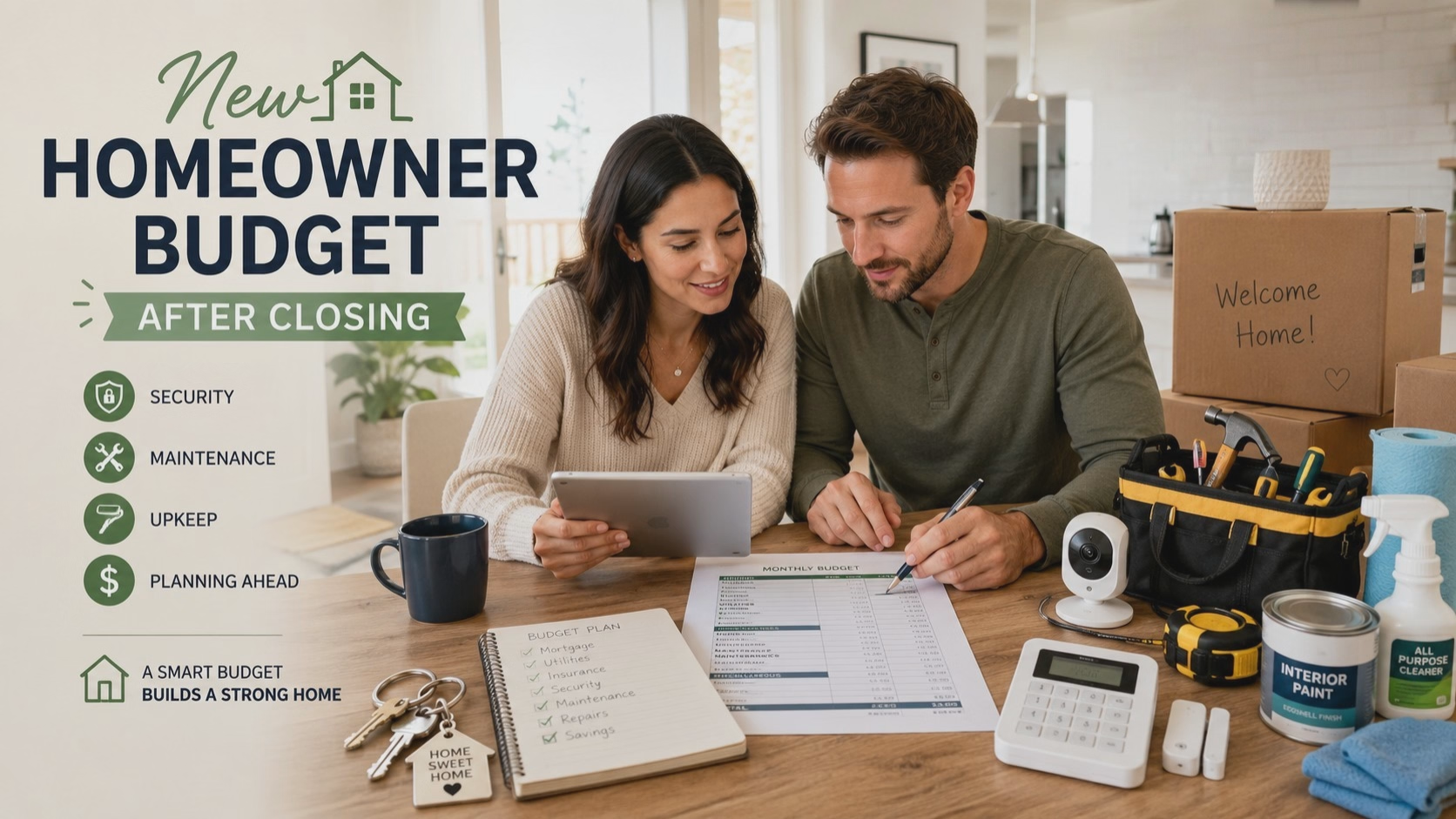
Buying a home is often treated as the finish line, but closing day is really the start of a new set of financial responsibilities. Many buyers focus so heavily on down payments, inspections, and mortgage approval that they forget to plan for the practical costs that begin the moment they get the keys.
For example, many new owners research a security equipment installation cost breakdown soon after closing because understanding what a home security system may cost helps them plan for one of the most common post-purchase safety upgrades.
Immediate Safety and Security Updates
One of the first things new homeowners should think about is securing the property. Even if the previous owners handed over every key, it is impossible to know how many spare copies exist or who may still have access to the home. Replacing locks, reprogramming garage door openers, and checking all entry points should be considered part of the move-in budget rather than an optional extra.
Home security upgrades may also include video doorbells, smart locks, motion lights, alarm monitoring, or a full security system depending on the property and the homeowner’s priorities.
These expenses can add up quickly, especially if the home has older doors, weak outdoor lighting, or no existing alarm infrastructure. Setting money aside for security improvements early on can help homeowners make practical upgrades before daily life gets too busy.
Utility Deposits and Service Setup Costs
Closing on a property does not automatically mean every utility account is ready to go without additional expense. Some homeowners need to pay setup fees, transfer charges, or deposits for electricity, water, gas, trash collection, internet, and home security monitoring. These charges may not be large individually, but together they can create an unexpected strain on a moving budget.
It is also worth checking whether the home has active service providers that meet your needs or whether you will need to schedule new installations. Internet upgrades, cable appointments, and smart home setup services can all create added costs during the first month.
Planning for these practical expenses helps prevent the frustration of being financially unprepared for basic services after move-in day.
Essential Repairs That Cannot Wait
Even a home that passed inspection may reveal problems once the previous owner has moved out and the new owner begins living in the space every day. A dripping pipe, a faulty appliance, a garage door issue, or an HVAC problem can quickly become a priority expense. That is why new homeowners should keep a portion of their post-closing budget reserved for repairs that affect safety, comfort, or daily function.
Older homes often come with smaller issues that did not seem urgent during the buying process but become much more noticeable after closing. Loose fixtures, worn weather stripping, damaged screens, and plumbing leaks may not qualify as major renovations, but they still cost money to fix.
Taking care of these items early can prevent them from turning into larger and more expensive problems later.
Cleaning, Maintenance, and Basic Supplies
A surprising number of post-closing expenses are tied to the simple process of making a home clean, functional, and manageable. Professional deep cleaning, carpet cleaning, pest control, and yard cleanup are common first-month costs, especially if the property sat vacant or the previous owners moved out in a hurry. These services can make a major difference in comfort, but they should be anticipated rather than treated as spontaneous purchases.
New homeowners also need tools and supplies that renters often do not have to buy themselves. Items like ladders, hoses, lawn equipment, replacement air filters, paint supplies, and basic toolkits become essential once there is no landlord to call. These purchases may seem small in isolation, but together they represent a meaningful part of the real cost of settling into a property.
Furniture, Window Coverings, and Practical Upgrades
After closing, many buyers realize that their previous furniture does not fit the new home the way they expected. A larger living room, extra bedroom, or different kitchen layout can trigger spending on rugs, shelving, dining furniture, storage solutions, or patio pieces. While not every purchase needs to happen immediately, homeowners should still account for the cost of making the space livable and functional.
Window coverings are another frequently overlooked expense, particularly in homes where sellers removed curtains or where privacy needs are different from the buyer’s previous home. Blinds, blackout curtains, and shades can become urgent purchases in bedrooms, street-facing rooms, or homes with large uncovered windows.
It is also common for homeowners to budget for small upgrades like repainting, swapping light fixtures, or improving closet storage within the first few months.
Building a Reserve for Ongoing Ownership Costs
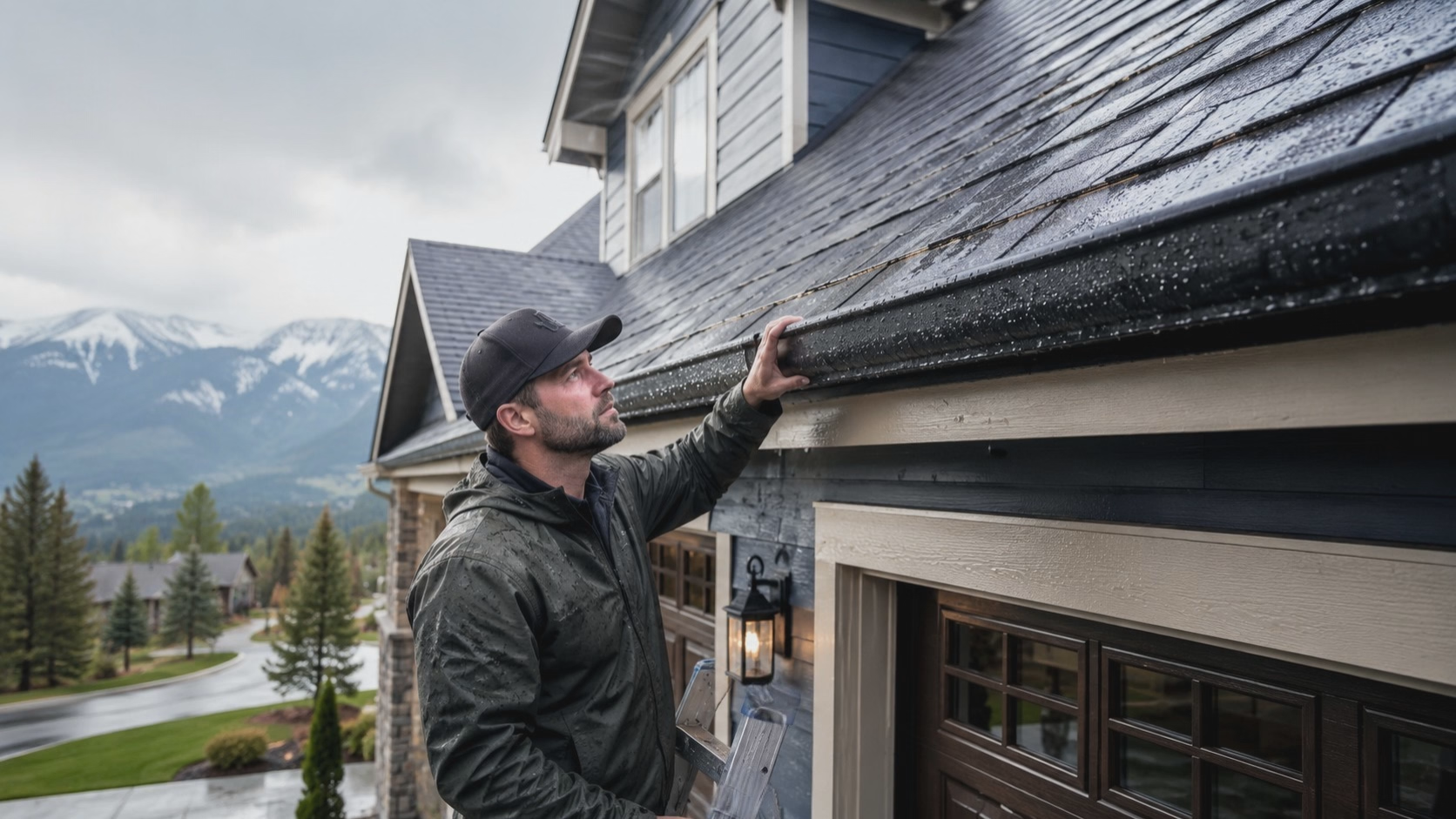
The smartest post-closing budget is not limited to move-in week. Homeownership comes with recurring responsibilities such as seasonal HVAC servicing, gutter cleaning, landscaping, pest prevention, and routine appliance maintenance. Setting aside money for these ongoing costs helps homeowners avoid falling into a cycle where every repair feels like an emergency.
A reserve fund is especially important for buyers who stretched their budget to purchase in a competitive market. Even if the house looks move-in ready, roofs age, water heaters fail, and appliances wear out over time.
Treating homeownership as an ongoing financial commitment rather than a one-time transaction makes it much easier to stay ahead of expenses and protect the value of the property.