
Moving to the Magic City is a dream for many, thanks to its palm trees, neon lights, and warm weather for most of the year. But relocating to Miami is a massive lifestyle shift that takes more than just packing a swimsuit. Whether you are chasing a job in Miami’s growing tech or finance scene or fleeing northern winters, there are nuances to South Florida life that only locals truly get.
If you are currently weighing your options and perhaps even scouting for local movers in Miami to help with the transition, here is a deep dive into the actual pros and cons of living in one of the most vibrant cities on the map
The Pros of Living in Miami
- No state personal income tax: For some movers, especially those coming from high-tax states, Florida’s tax structure can be a major draw. Relocating to Florida can improve take-home pay for some high earners, but the savings should be weighed against Miami’s housing, insurance, and everyday living costs.
- The year-round outdoor lifestyle: Winters are mild compared with much of the country. While the rest of the country is shoveling snow, Miamians are paddleboarding in Biscayne Bay or jogging through Lummus Park. The city is built for being outside, offering world-class golf, tennis, and miles of Atlantic coastline.
- A global cultural hub: Miami has a vibe you can’t find anywhere else in the country. From authentic cafecito culture in Little Havana to Wynwood’s art scene, the city is a constant feast of food, music, and culture.
- The Silicon Tropics: Miami has attracted more attention from tech, finance, crypto, and investment firms in recent years, but the opportunity depends heavily on your industry, role, and network. Do not assume every sector has a deep local job market.
The Cons to Consider Before Moving
- The skyrocketing cost of living: Miami is not a cheap alternative anymore. Housing remains expensive, even though price trends vary by neighborhood and property type. Rents and home prices rose sharply in recent years, especially in hotspots like Brickell, Edgewater, and Coconut Grove. You might save on income tax, but you may pay a premium for housing, homeowners insurance, and flood coverage depending on the neighborhood and property.
- Humidity and hurricane season: From June through September, the heat and humidity can be intense. Hurricane season officially runs from June 1 through November 30, with peak activity typically from mid-August to mid-October. You have to be prepared for the financial and logistical realities of storm protection, flood-zone status, flood insurance, and evacuation planning.
- Traffic and transit issues: Miami is heavily car-dependent. While the Brightline train improved regional travel between Miami and Orlando, with stops including Aventura, Fort Lauderdale, Boca Raton, and West Palm Beach. Daily commuting inside the city is tough. The Palmetto Expressway and I-95 are notorious for gridlock. Many neighborhoods still require a car, and commute times can vary sharply depending on where you live and work.
- Operating on Miami Time: Life just moves differently here. Social gatherings and even some appointments start noticeably later than scheduled. If you are coming from a hyper-punctual environment like Chicago or Washington D.C., this pace can be highly frustrating.
What to Know Before You Make the Move
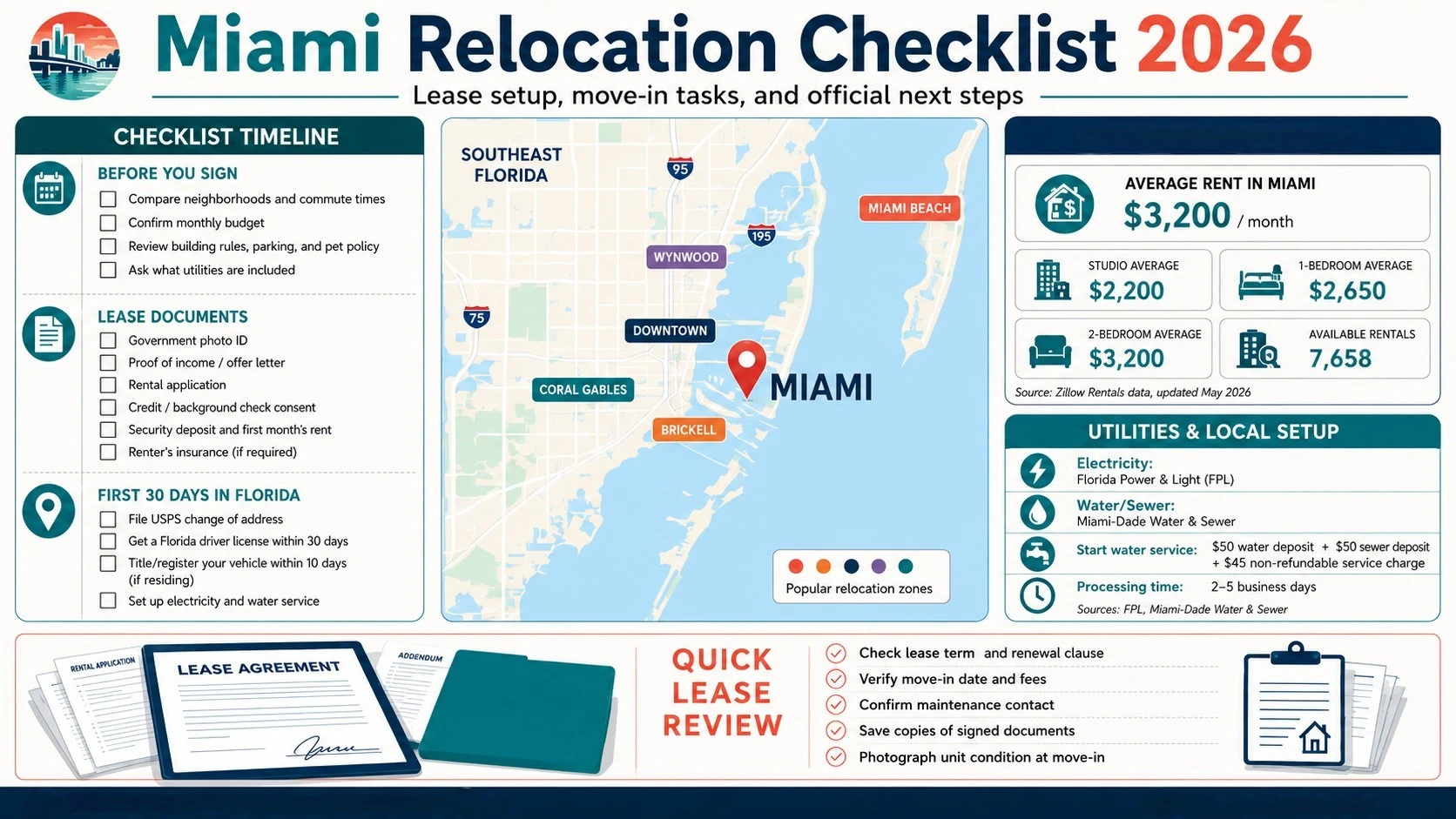
Choose Your Neighborhood Wisely
Miami is really a collection of distinct villages.
- Brickell: Perfect for the urbanite who wants a walkable commute and high-end dining.
- Coral Gables: Ideal for families seeking historic charm and heavy tree canopies.
- Wynwood and the Design District: Built for the creative soul who wants to live surrounded by art and high fashion.
- Coconut Grove: Green, historic, and laid-back with waterfront access, but it can be pricey.
Logistics and Planning
Moving to South Florida requires strategic timing. If you move during the peak of summer, you are hauling boxes in 90-degree heat and dodging daily afternoon thunderstorms. When you are finally ready to pull the trigger and hire a local moving crew, make sure you have done your homework on the exact zip code.
You need to verify flood zones and test the actual commute to your workplace before signing a lease or closing on a house.
The Vacation vs. Reality Filter
It is incredibly easy to love Miami when you are staying at a South Beach resort. But living here means dealing with the DMV, grocery runs, and everyday errands in heavy heat.
Come visit the city and try living like a resident for a few days before committing. Rent a car, shop at a local Publix, and drive your prospective morning commute to see if the lifestyle actually suits you.
Final Thoughts
Miami brings high energy, incredible diversity, and coastal beauty. It is definitely not for everyone, but if you can handle the traffic and the summer heat, it offers a warm, high-energy lifestyle that feels very different from most northern cities.
If you are ready to trade snow boots for flip-flops, do your homework, lock in a solid moving plan, and get ready for life in the Magic City.