
Mold is a quiet problem with big consequences. It can hide behind walls, under flooring, or in any damp corner, spreading spores and lowering your indoor air quality as it grows. What looks like a small patch today can signal a much larger issue inside building materials tomorrow. Understanding the risks and knowing when to call in mold remediation services, especially in Massachusetts, Connecticut, New Hampshire, Vermont, and Upstate New York, helps protect both your health and your home.
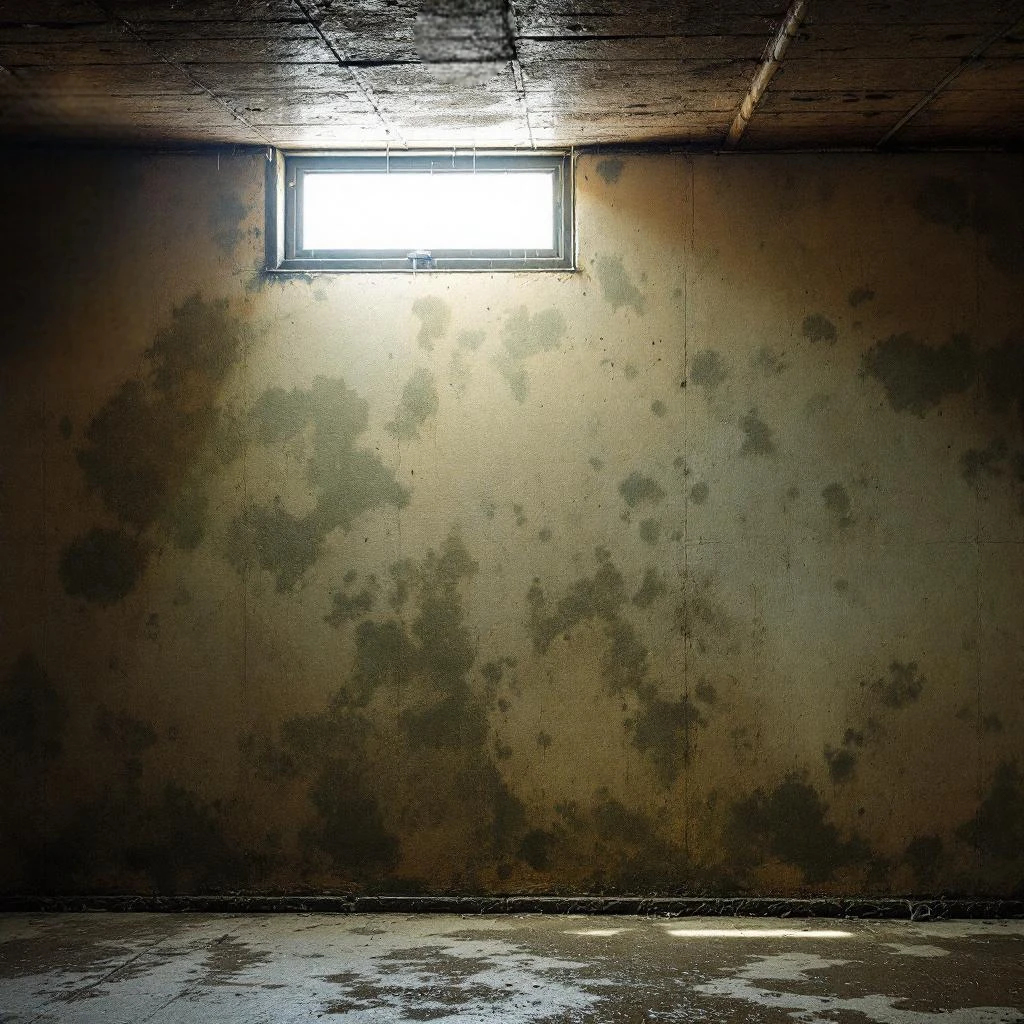
Understanding Mold and Its Causes
Mold needs three things: moisture, warmth, and a food source. In houses, the “food” is often drywall, wood framing, carpet, or dust. Common triggers include slow plumbing leaks, roof seepage after a storm, condensation on cold surfaces, flooding, and rooms without good ventilation (think steamy bathrooms or basements).
Once spores land on a damp surface, colonies can spread quickly, sometimes deeper into materials than you can see on the surface. That’s why simply wiping visible growth often isn’t enough and why underlying moisture problems must be fixed to stop mold from coming back.
Health Risks Associated with Mold Exposure

Everyone reacts differently to mold exposure, but prolonged contact can take a real toll. Especially on children, older adults, and anyone with asthma, allergies, or a weakened immune system.
- Respiratory issues. Mold spores and tiny fragments can irritate airways and trigger coughing, wheezing, shortness of breath, and asthma flare-ups.
- Allergic reactions. You might start sneezing, get a runny nose or watery eyes, feel congested, or notice your skin getting itchy, and postnasal drip are common in sensitive individuals.
- Chronic fatigue and headaches. Poor indoor air quality can leave you feeling worn down and headachy.
- Infections and immune concerns. People with compromised immune systems face higher risks of fungal infections and other respiratory complications.
- Neurological effects (in severe cases). Toxins from certain species (often referred to as “black mold”) have been linked to problems with concentration, memory, and mood.
Symptoms often build gradually. By the time you notice a pattern, feeling worse at home and better when you leave—the infestation may already be widespread. If you have health concerns, speak with a medical professional; remediation complements medical care but doesn’t replace it.
Signs You May Have Mold in Your Home
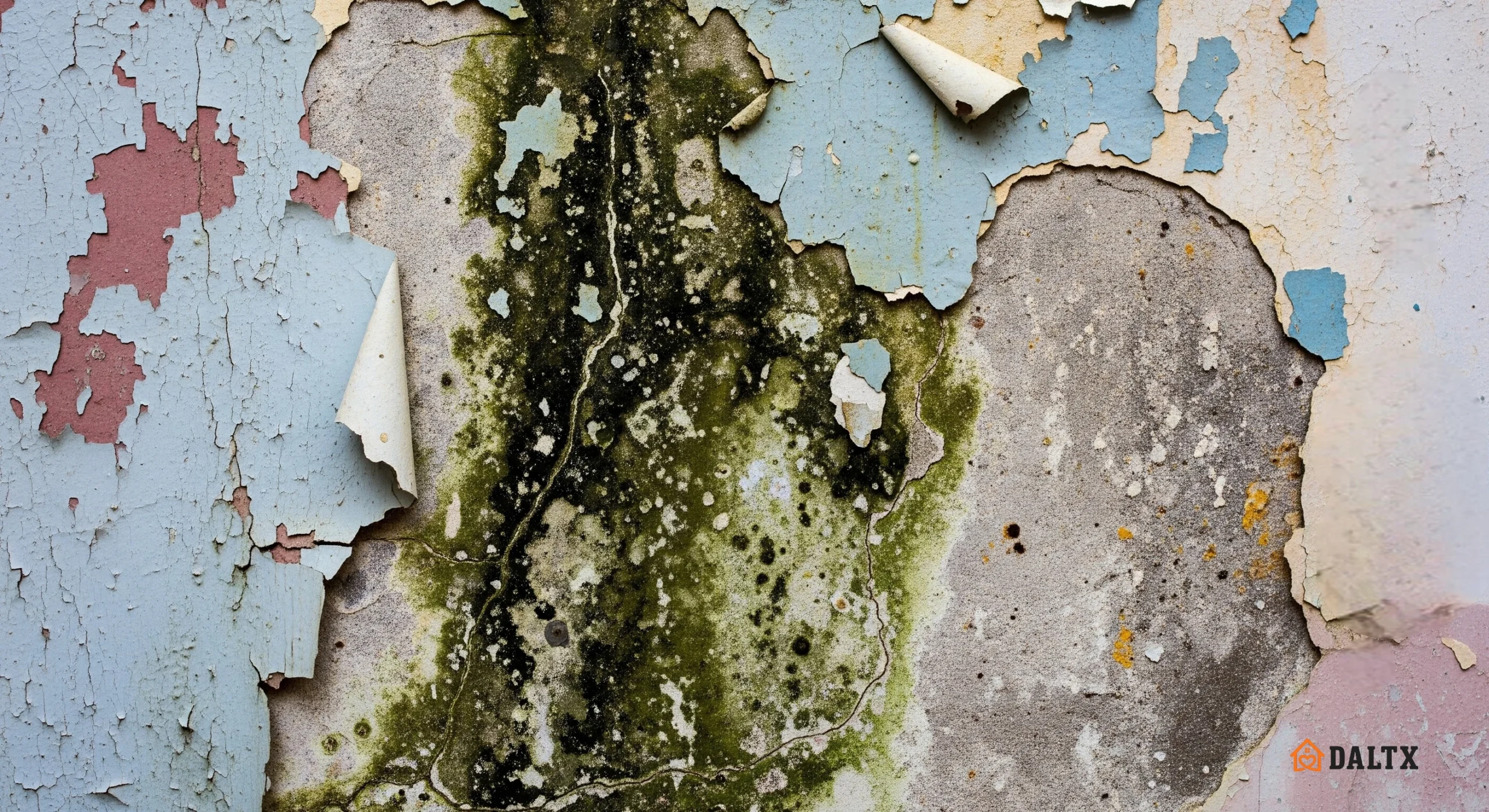
Not all mold is obvious. Watch for early clues:
- A persistent musty odor, especially after rain or in basements, crawl spaces, and bathrooms
- Dark specks or staining on walls, ceilings, baseboards, window sills, or around HVAC vents
- Peeling paint, bubbling wallpaper, or warped trim, which often signal trapped moisture
- Frequent allergy or asthma symptoms that worsen indoors
- Condensation on windows or cold surfaces
- Past leaks or flooding that weren’t fully dried within 24–48 hours
If you’re checking a past leak and the area still smells earthy or damp, assume there’s more going on than meets the eye.
When to Call a Professional
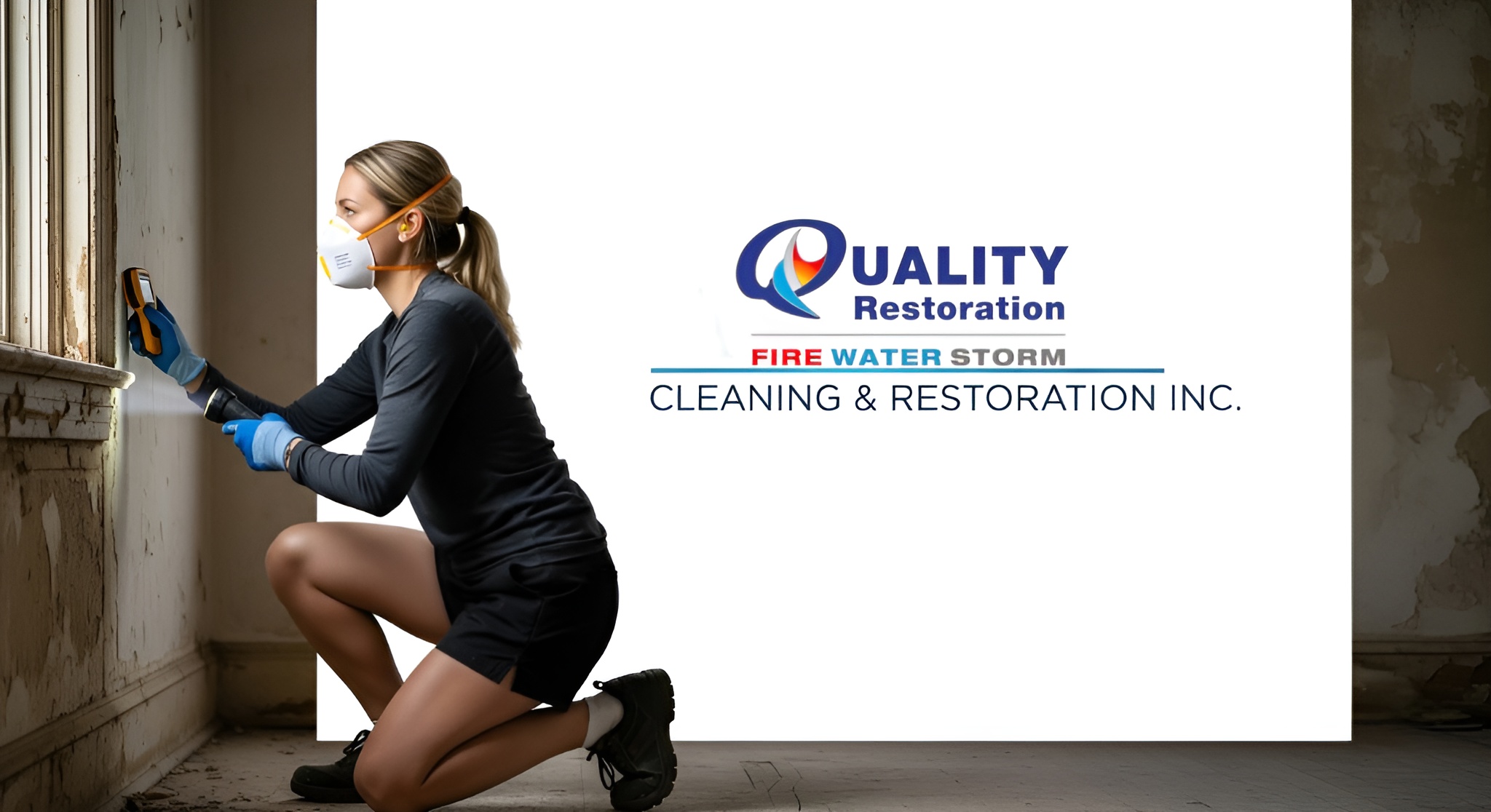
Well-meaning DIY can spread spores and drive contamination into clean rooms. Bring in a certified remediation company if any of the following apply:
- The affected area is larger than about 10 square feet
- You smell mold but can’t find the source
- Water damage has been present for more than 48 hours
- Anyone in the household has ongoing respiratory or allergy symptoms at home
- You’ve had repeat mold growth despite cleaning
- Suspected growth is in HVAC systems, crawl spaces, or wall cavities
What the pros do: They locate hidden moisture with meters or infrared cameras, set up containment and negative air to prevent spread, run HEPA air scrubbers, remove or treat contaminated materials, and most importantly, fix the moisture problem (leaks, ventilation, grading, or humidity) so mold doesn’t return. Reputable firms also provide a clear scope of work and post-remediation verification.
Don’t Wait to Take Action
Mold won’t resolve on its own. The longer it stays, the farther it can spread into drywall, insulation, framing, and flooring. Raising both health risks and repair costs. Fast, professional remediation limits damage, restores healthy indoor air, and protects your home’s structure and value. After cleanup, keep humidity in check (ideally 30%–50%), run bathroom and kitchen exhaust fans that vent outdoors, and fix leaks promptly to prevent a repeat.