
- Why Smart Design Matters
- Kitchen Remodeling in Tarzana: Start With How the Kitchen Works
- Think Beyond the Basic Work Triangle
- Make Walkways Feel Comfortable
- Use Storage to Make the Kitchen Feel Calmer
- Layer the Lighting
- Choose Materials That Fit the House
- Bathroom Remodeling in Valley Village
- Start With the Layout
- Do Not Ignore Moisture Control
- Add Comfort Where It Makes Sense
- Think About Water Efficiency
- Make the Kitchen and Bathroom Feel Connected
- Permits and Planning in Los Angeles
- Remodeling for Long-Term Value
- Common Remodeling Mistakes to Avoid
- Following Trends Too Closely
- Forgetting About Storage
- Choosing Looks Over Performance
- Underestimating Lighting
- Skipping a Budget Cushion
- Final Thoughts
Home remodeling is never just about swapping out old finishes or picking better fixtures. A good renovation has to solve real problems: awkward layouts, limited storage, poor lighting, dated materials, and rooms that no longer fit the way people actually live.
That is especially true in kitchens and bathrooms. These spaces get used every day, and small design mistakes can become daily frustrations. A kitchen may look beautiful in photos but feel cramped during dinner prep. A bathroom may feel stylish at first but struggle with moisture, storage, or lighting over time.
For homeowners planning kitchen remodeling in Tarzana, the goal should be more than a quick visual upgrade. The best projects start with a clear plan for how the room should work, how it should feel, and how it should connect with the rest of the home.
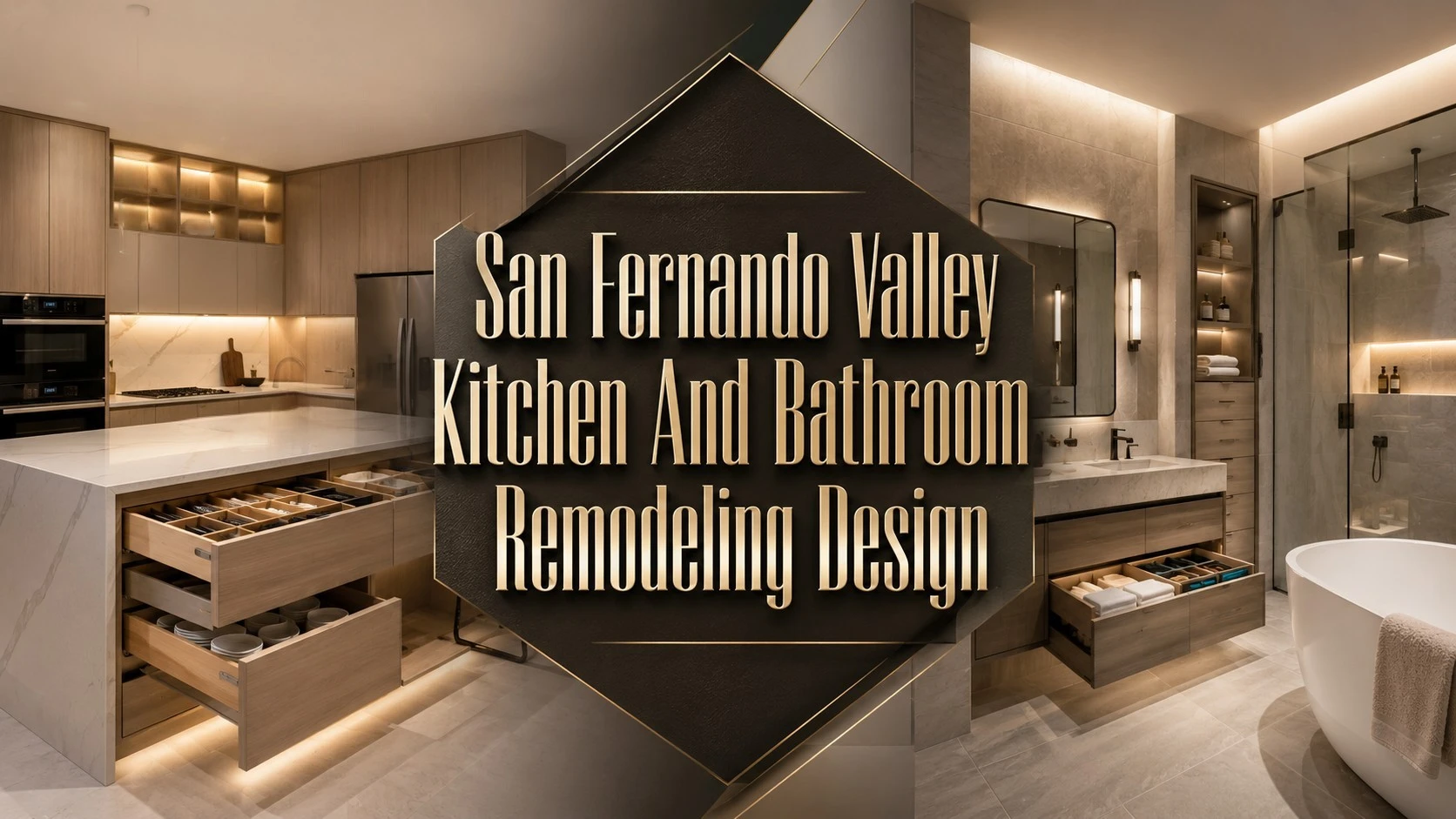
Why Smart Design Matters
Every remodel starts with an idea. Maybe the kitchen feels too closed off. Maybe the bathroom feels dated. Maybe the home needs better storage, better flow, or a more modern look.
But once construction starts, small decisions can get expensive fast. Moving plumbing, changing electrical plans, ordering the wrong materials, or realizing too late that a layout feels cramped can all slow down the project and add unnecessary cost.
That is why design matters so much. A solid design plan helps homeowners make better decisions before the walls are open and before materials are ordered.
What a Good Remodeling Plan Should Cover
A thoughtful renovation plan should look at more than style. It should account for:
- Lifestyle: How the household cooks, gets ready, entertains, stores items, and moves through the home.
- Space planning: How to make the most of the available square footage.
- Storage: How to keep daily essentials easy to reach without letting clutter take over.
- Traffic flow: How people move through the space without feeling blocked or squeezed.
- Lighting: How the room works in the morning, afternoon, evening, and at night.
- Materials: How finishes will perform with daily use, moisture, spills, heat, and cleaning.
- Durability: How cabinets, counters, tile, flooring, and fixtures will hold up over time.
- Permits and code: How the project fits local requirements, especially when plumbing, electrical, walls, or layout changes are involved.
When these pieces are handled early, the finished space usually feels more natural. It does not just look updated. It works better.
Kitchen Remodeling in Tarzana: Start With How the Kitchen Works
The kitchen is one of the busiest rooms in the home. It is where people cook, gather, unload groceries, make coffee, help with homework, entertain friends, and sometimes take work calls at the island.
Because the kitchen carries so many jobs, successful kitchen remodeling in Tarzana should start with function. Finishes matter, of course. But cabinets, countertops, tile, and hardware only go so far if the layout does not support everyday life.
A well-designed kitchen should feel easy to move through. Storage should make sense. Prep space should be where you actually need it. Lighting should help with cooking and still feel warm when guests are over.
Think Beyond the Basic Work Triangle
The classic kitchen work triangle—the relationship between the sink, stove, and refrigerator—can still be useful. But many modern kitchens need more flexibility than that.
In real life, more than one person may be using the kitchen at the same time. One person may be cooking while someone else is loading the dishwasher, making coffee, or grabbing snacks. That is why many kitchens work better when they are designed around zones.
Helpful zones may include:
- A prep area near the sink and trash pull-out
- A cooking area near the range, oven, spices, and utensils
- A cleanup area near the dishwasher and dish storage
- A coffee or beverage station outside the main cooking path
- A serving area near the island, dining room, or backyard access
This type of planning makes the kitchen feel less crowded and more practical.
Make Walkways Feel Comfortable
One of the easiest ways to ruin a kitchen remodel is to squeeze too much into the space.
A large island may look great in a rendering, but if the walkways are too tight, the kitchen will feel frustrating every day. Homeowners should think carefully about how cabinet doors, appliance doors, seating, and foot traffic all work together.
This matters even more in open-concept homes, where the kitchen often connects directly to the dining area, living room, or outdoor space. The room should feel open enough for people to move through naturally, not like everyone has to step around each other.
Use Storage to Make the Kitchen Feel Calmer
A clean kitchen is not just about having more cabinets. It is about having the right storage in the right places.
Many homeowners want counters that feel clear and uncluttered, but that only works when there is enough hidden storage to support daily routines.
Useful storage upgrades may include:
- Deep drawers for pots and pans
- Pull-out pantry shelves
- Built-in trash and recycling pull-outs
- Tray dividers for cutting boards and baking sheets
- Drawer organizers for utensils and spices
- Corner pull-outs for hard-to-reach cabinets
- Appliance garages for small countertop appliances
- Tall pantry cabinets for bulk storage
These details may not be the flashiest part of a remodel, but they often make the biggest difference once the kitchen is in use.
Layer the Lighting
Kitchen lighting should not rely on one bright overhead fixture. The room needs different types of lighting for different moments.
Task lighting helps with chopping, cooking, and cleanup. Ambient lighting keeps the room comfortable overall. Accent lighting can highlight shelves, tile, or architectural details. Decorative lighting over an island or dining area adds personality.
Good lighting makes the kitchen more useful, but it also changes the mood of the room. A bright kitchen in the morning can still feel warm and relaxed at night if the lighting plan is done well.
Choose Materials That Fit the House
The best kitchen materials are not always the trendiest ones. They are the ones that fit the home, the budget, and the way the household lives.
For many Tarzana homes, homeowners often lean toward durable counters, warm cabinet tones, clean tile, mixed metal finishes, and flooring that can handle regular use. Quartz, quartzite, porcelain tile, engineered wood, and high-quality cabinet finishes can all work well depending on the design.
The key is balance. A kitchen should feel updated, but it should not feel like it belongs to a completely different house.
Bathroom Remodeling in Valley Village
Bathrooms have changed a lot. They are no longer treated as purely functional rooms. Homeowners want bathrooms that feel calm, clean, and comfortable.
But bathroom remodeling in Valley Village still has to be practical. A bathroom deals with moisture, steam, splashes, storage needs, ventilation, and daily wear. If those details are ignored, even a beautiful bathroom can become a maintenance problem.
A good bathroom should feel relaxing, but it also has to hold up.
Start With the Layout
The layout affects almost everything in a bathroom: how open it feels, how easy it is to use, and how much storage can be added.
In some bathrooms, changing the layout makes sense. In others, keeping plumbing mostly in place is the smarter move. Not every remodel needs a dramatic reconfiguration to feel new.
Depending on the space, strong layout upgrades may include:
- Replacing a bulky tub with a walk-in shower
- Adding a frameless glass shower enclosure
- Installing a floating vanity to open up the floor visually
- Recessing medicine cabinets for hidden storage
- Improving door swing or circulation
- Using built-in niches instead of bulky shower caddies
Sometimes the best bathroom remodel is not about moving everything. It is about making the existing footprint work better.
Do Not Ignore Moisture Control
Moisture is one of the biggest issues in any bathroom. That is why the work behind the walls matters just as much as the tile, vanity, or fixtures.
A strong bathroom remodel should consider:
- Proper ventilation
- Quality waterproofing behind tile
- Water-resistant materials in wet areas
- Durable grout or low-maintenance grout options
- Moisture-resistant cabinetry
- Slip-resistant flooring
- Proper shower slope and drainage
These details are not always visible, but they protect the room long after the remodel is finished.
Add Comfort Where It Makes Sense
Luxury does not have to mean overdoing the space. In many bathrooms, the most valuable upgrades are the ones that make daily routines easier.
That may include heated floors, better vanity lighting, a larger shower, a built-in shower niche, a handheld showerhead, a quiet ventilation fan, or a mirror that does not fog up after a hot shower.
For shared bathrooms, dual vanities can make mornings easier. For smaller bathrooms, better lighting and smarter storage can make the room feel more open without expanding the footprint.
The goal is not to add every feature possible. The goal is to choose the features that actually improve how the bathroom feels and functions.
Think About Water Efficiency
Bathroom remodeling is also a good time to improve water efficiency. Low-flow faucets, showerheads, and toilets can reduce water use while still performing well when chosen carefully.
For homeowners who want a more sustainable renovation, WaterSense-labeled fixtures can be a smart place to start. They can help reduce waste without making the bathroom feel less comfortable or less functional.
Make the Kitchen and Bathroom Feel Connected
A remodel should not make one room feel disconnected from the rest of the home.
Kitchens and bathrooms do not need to match exactly, but they should feel like they belong in the same house. That matters in Tarzana and Valley Village homes, where older layouts, additions, and previous remodels can sometimes make a house feel visually uneven.
A more cohesive design may come from:
- A consistent color palette
- Similar cabinet styles
- Coordinated hardware finishes
- Repeated wood tones
- Smooth flooring transitions
- Complementary tile or stone textures
- Lighting that feels consistent from room to room
The goal is not sameness. A kitchen and bathroom can have their own personalities. But the overall design should feel intentional.
Permits and Planning in Los Angeles
Since Tarzana and Valley Village are both Los Angeles neighborhoods, permits should come up early in the planning process, not after the design is already locked in.
Some smaller kitchen and bathroom updates may qualify for a simpler permitting path, especially when the work is mostly cosmetic and does not involve changing walls, openings, or the overall layout.
But deeper projects may need additional review. That can include structural changes, floor plan changes, new openings, plumbing relocation, electrical upgrades, ventilation changes, or major alterations behind the walls.
Why This Matters
Permits and inspections help make sure the work is done safely and meets local code. They can also help protect homeowners later if they decide to sell, since unpermitted work can create issues during inspections, appraisals, escrow, or buyer review.
A realistic remodeling plan should account for:
- Permit requirements
- Inspection timing
- Plumbing and electrical work
- Structural changes
- Ventilation needs
- Waterproofing details
- Material lead times
- Contractor scheduling
- Budget contingency
Planning these details early can save a lot of stress once the project is underway.
Remodeling for Long-Term Value
Kitchen and bathroom remodels can support resale value, but homeowners should be realistic. Not every renovation pays back dollar for dollar, and the highest-end project is not always the smartest investment.
A smaller, well-planned kitchen update may be more appealing to future buyers than an oversized luxury remodel with very specific finishes. A bathroom renovation can also add value when it improves function, comfort, condition, and efficiency.
The final return depends on the home, neighborhood, project scope, materials, workmanship, and what buyers in that area expect.
What Usually Adds Lasting Appeal
Homeowners who want a good balance of personal enjoyment and resale appeal should focus on choices that feel useful, durable, and easy to live with.
That often includes:
- Practical layouts
- Better storage
- Durable counters and flooring
- Warm, neutral design choices
- Improved lighting
- Energy- and water-efficient fixtures
- Quality workmanship
- Designs that fit the home’s architecture
- Avoiding finishes that feel too trendy or too personal
A remodel should still reflect the homeowner’s taste. It just should not be so specific that future buyers have a hard time imagining themselves in the space.
Common Remodeling Mistakes to Avoid
Even a good idea can go sideways without the right planning. Some of the most common remodeling mistakes are also the easiest to avoid.
Following Trends Too Closely
Trends can be great for inspiration, but they should not control every decision. A kitchen or bathroom built entirely around what is popular right now may feel dated sooner than expected.
A safer approach is to keep expensive, permanent elements more timeless and use trendier choices in places that are easier to change, such as paint, hardware, lighting, mirrors, or decor.
Forgetting About Storage
A kitchen or bathroom can look beautiful and still feel frustrating if there is nowhere to put anything.
Storage should be planned early, not squeezed in at the end. Drawers, pantry systems, medicine cabinets, shower niches, linen storage, and cabinet organizers can all make the finished space easier to use.
Choosing Looks Over Performance
Some materials look great in photos but require more maintenance than homeowners expect. Before choosing tile, stone, wood, counters, or cabinet finishes, it helps to understand how they handle moisture, scratches, stains, cleaning, and daily wear.
The best material is not always the most dramatic one. It is the one that still looks good after years of real use.
Underestimating Lighting
Lighting can make or break a remodel. Poor lighting can make expensive materials look flat, while good lighting can make a simple design feel warm, polished, and high-end.
Kitchens and bathrooms both need layered lighting that supports function and mood.
Skipping a Budget Cushion
Older homes can come with surprises. Plumbing, framing, electrical, subfloor damage, ventilation issues, or waterproofing problems may not be obvious until work begins.
A budget cushion gives homeowners more room to handle those surprises without derailing the entire project.
Final Thoughts
Successful home renovation is not just about making a space look better. It is about making the home easier and more enjoyable to live in.
For kitchen remodeling in Tarzana, that means thinking carefully about workflow, storage, lighting, walkways, materials, and how the kitchen fits the rest of the home.
For bathroom remodeling in Valley Village, it means balancing comfort with moisture control, ventilation, storage, layout, water efficiency, and long-term durability.
The best remodels do not feel forced. They feel like the home finally works the way it should.
A well-designed renovation should not just change how a room looks.
It should change how the home feels.