
Investing in land is a smart choice. success is all about the choices made in the relatively complex world of property. Be it farmland, a rural retreat, or an urban development, the following key factors are needed to understand it. That will include elements of location, legal issues, market trends, and the environment. We’ll cover all those elements in this article. Discover key insights that will help in making a smart investment.
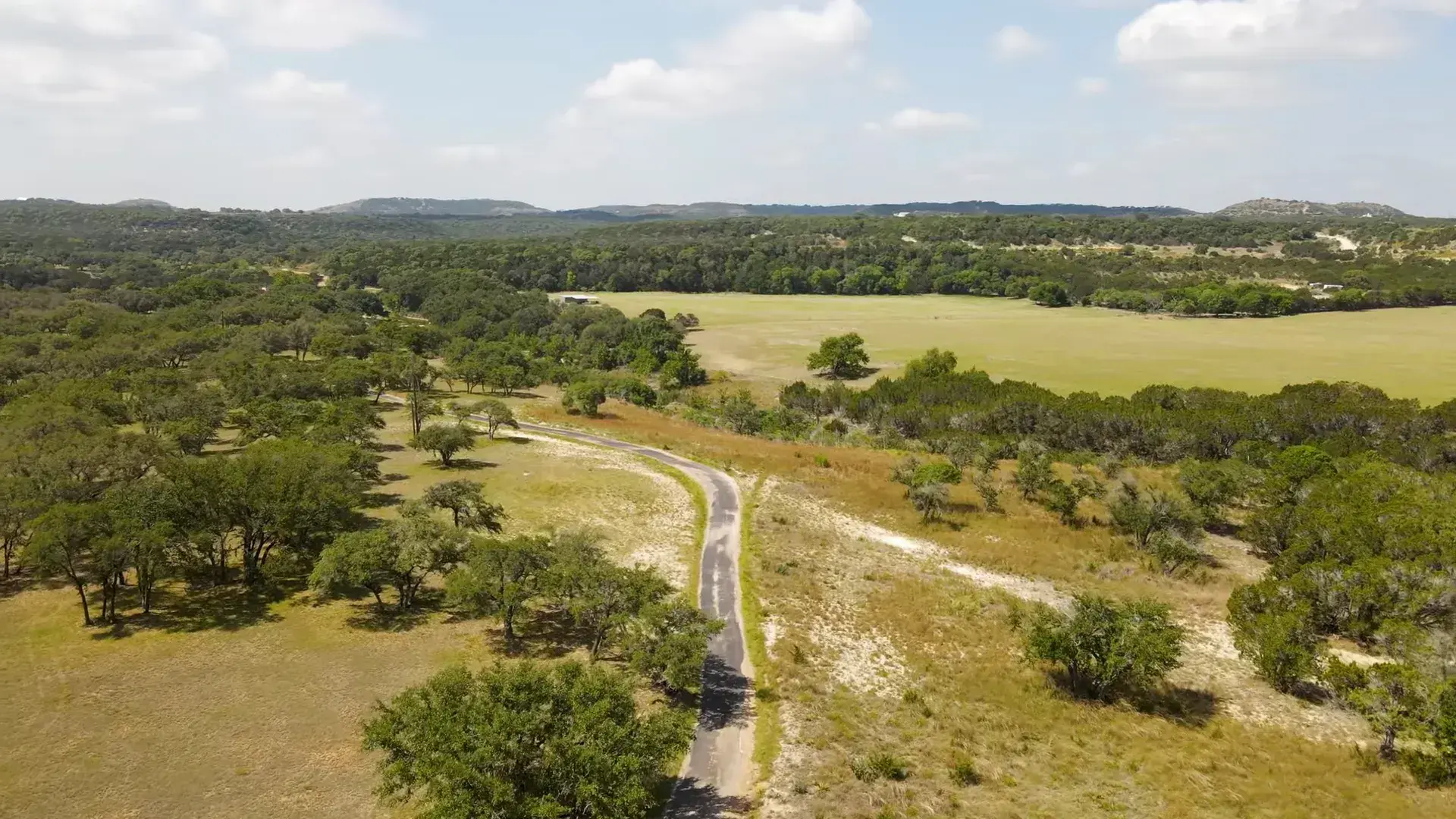
Location Analysis
You cannot invest in land without considering its location. See the proximity to highways, commercial centers, and closer residential areas. Places with growing infrastructure and development will usually give higher returns. It is necessary to look into local economic conditions and estimate future growth patterns for finding long-term value.
Consider what might appeal to prospective buyers or renters in the surrounding area: proximity to schools, recreational facilities, and so forth. Do some research to learn more about local market trends regarding property values and demand.
Since 2012, the average cost per square foot of newly constructed single-family homes in the US has risen to $168, according to Statista. While the average sales price for a new home reached $540,000 at the same time, such prominence was given to how important market trends are in property valuation.
Understanding Zoning and Land Use Regulations
Zoning which prescribes the intended uses of the land, whether residential, commercial, or industrial. Check local zoning codes to make sure the land fits your intended use. Check for any restrictions—like height limits or density restrictions on buildings. Consider future zoning changes that would impact your investment. Know the history of the zoning and urban planning initiatives done on the land.
Environmental and Soil Quality Assessment
Environmental and soil quality assessment is important to have a solid land investment. Observe the soil to see if it fits either for agriculture or construction purposes.
According to ATSDR, the soil quality assessments are very important since arsenic concentration in soils in the US actually varies. The geometric mean for arsenic in soils of the United States is approximately 5.2 ppm. For the Eastern United States, it is 4.8 ppm. There was an average of 5.5 ppm with a range <0.1 to 97 ppm for the Western US, which shows wide regional variations in the risks for soil contamination.
Consider drainage factors, contamination, and stability. Environmental studies identify problems that may impact development related to wetlands or protected habitats. Look for hazards such as flood zones or erosion risks.
Engaging with a Land Broker
A land broker advises on how to invest through his insight into the market, transaction management, and negotiations. Only experienced brokers will be able to present investors with off-market opportunities and in-depth local context that makes investment considerably smooth. The Land Broker Co-op represents land transactions, property listing management, market analysis, and price negotiation for the best deals. They also aid in directing regional to local ownership with an emphasis on stewardship for wildlife habitat preservation. It also provides tax exemptions on wildlife, agriculture and timber for state land owners, in addition to federal exemption on ranch or farm expenses to the tune of millions of dollars in financial relief.
Financial Considerations and Costs
In addition to the purchase cost, there would be property taxes, insurance, maintenance, and development costs such as clearing, grading, infrastructure improvements, etc. The potential ROI will have to be assessed in terms of market values. Further, financing and interest rates are other factors. Rigorous financial analysis helps make sure that the investment lines up well with your overall long-term financial goals and capabilities to protect against any unforeseen expenses for you. The most common financial considerations of purchasing land, excluding the cost of acquisition, would include taxes, insurance, maintenance, development costs, and financing options. A well-planned budget ensures that an investment will achieve clearly defined financial goals.
Legal Due Diligence and Title Verification
Legal due diligence and title verification are an important part of land acquisition. The buyer must do a title search to ensure that the property does not have liens or disputes upon it and is clear. Ownership needs to be verified, and legal issues need to be sorted out. About title verification, according to Investopedia, outstanding liens are checked through public records, and the process may take 10-14 days, especially in the case of an older property. Carefully review land contracts, and consider enlisting the help of a real estate attorney for reviewing documents in search of any easements or encumbrances that may limit the agricultural use of a parcel of land. It is within these factors of the law that you can protect your investment from possible future complications.
Infrastructure and Utility Access
Land investment will have to consider infrastructure and utility access. Check for the availability of services: water, electricity, sewage systems, roads. CISA underscored that there exist 153,000 public drinking water systems and 16,000 wastewater treatment systems; more than 80 percent of the population receives their drinking water from those systems, and about 75 percent are served for sewerage treatment. Note road access and any infrastructure upgrades assessed. If utilities are not already present, take into account the cost and feasibility of installing them. Being close to amenities or having access to public transportation further adds value to a land area.
Following these steps can help you fine-tune your investment strategy and allow you to make an informed decision. Also will help you into securing a valuable land asset with immediate and long-term investment benefits.