
The home’s plumbing is affected by seasonal changes. Pipes and outdoor fixtures can be easily damaged by sudden temperature swings, and even a small leak can eventually lead to serious water damage—especially if it’s not caught early.

Winter can cause pipes to freeze, while the rainy season increases the risk of clogged drains. Therefore, it is important to routinely inspect parts of the plumbing system to ensure proper water flow and detect issues early.
Here are some important steps homeowners can take to protect their plumbing system during seasonal changes.
1. Inspect Pipes for Cracks and Weak Spots
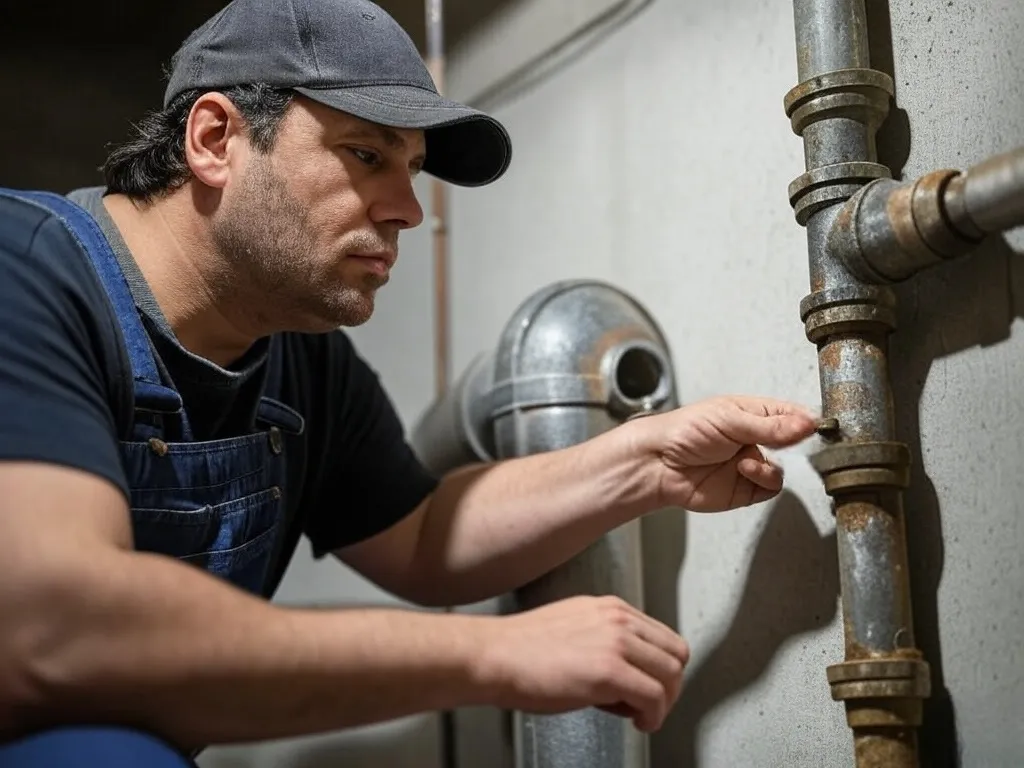
Temperature fluctuations can weaken pipes, causing cracks or leaks. A small leak can cost you hundreds of gallons of water per year, which can raise your utility bills. Make sure to inspect accessible plumbing lines—i.e., under sinks, crawl spaces, basements, and near the water heater.
Look for telltale signs like water spots, accumulation of moisture, or mildewing, as they could be evidence of a leak. It is prudent to fix such problems early before they cause water damage,which effects could decrease your home value.
2. Protect Outdoor Plumbing Fixtures
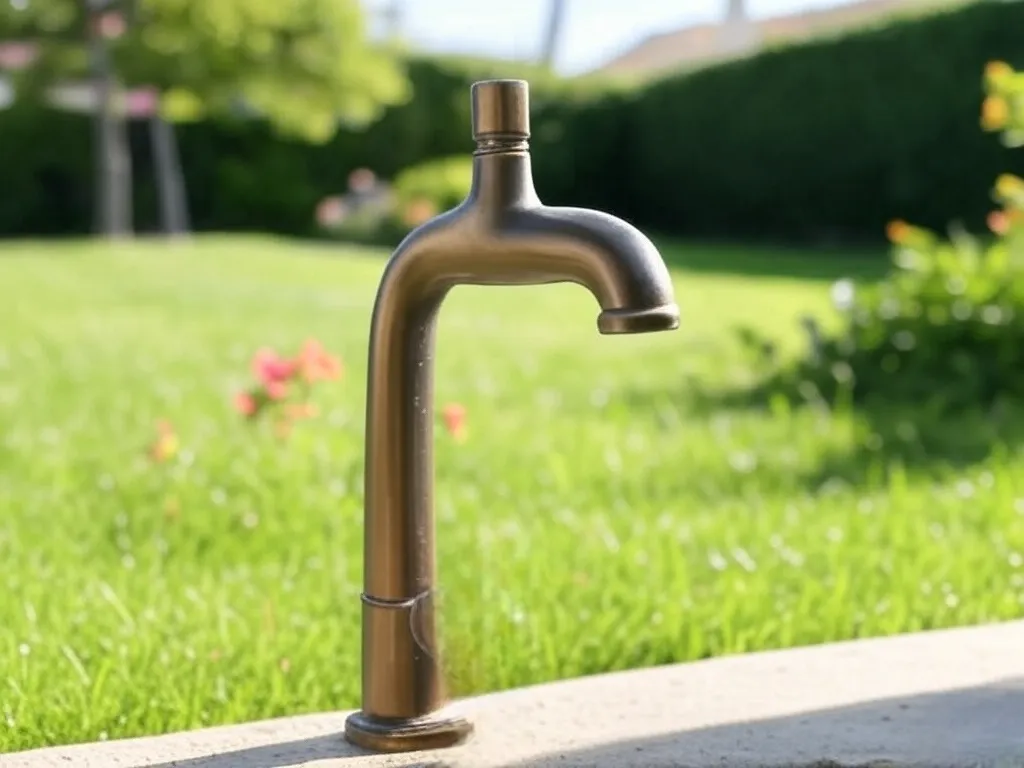
Garden hoses, sprinkler systems, and outdoor faucets are vulnerable to weather changes. Standing water in winter can freeze, causing pipes to crack.
Turn off outside water, drain hoses, and wrap exposed pipes with insulation. During the summer, make sure sprinklers work properly and hoses aren’t kinked or leaking.
3. Keep Gutters and Downspouts Clear
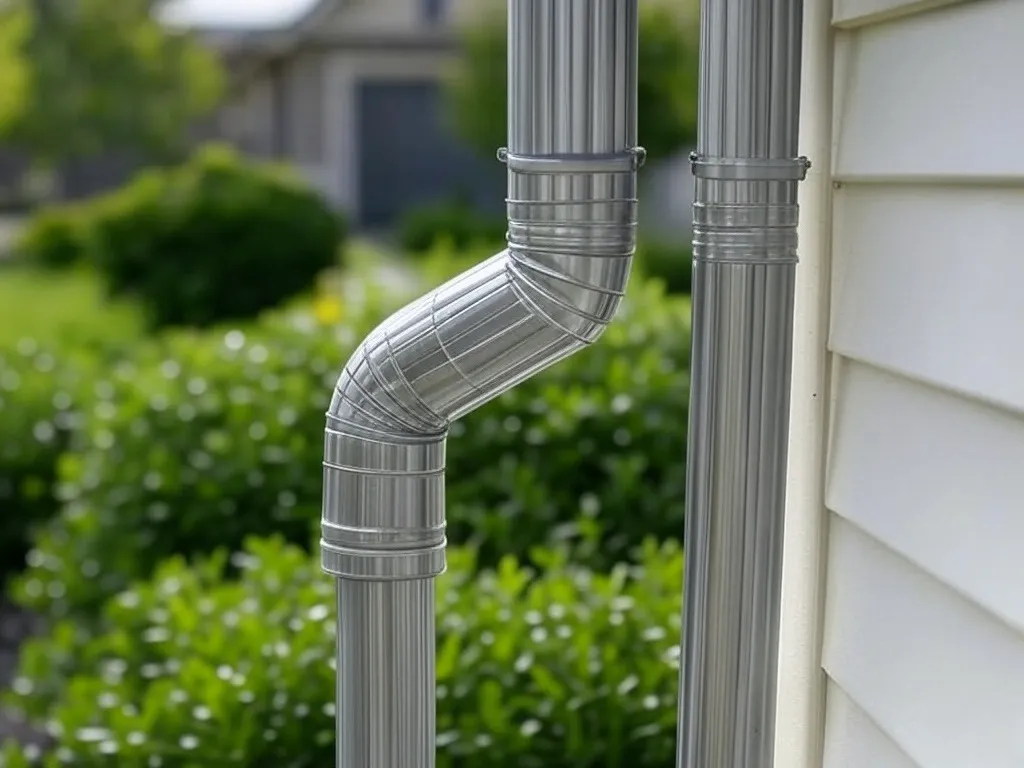
Clogged gutters and downspouts can cause water to back up and seep into your home’s foundation. This can lead to structural problems as well as mold growth. Make sure to clean out leaves and debris from these areas during the fall and spring seasons.
Check inside your home as well; clogged drains can be indicated by standing water. Run hot water or a mild drain cleaner through drains on a regular basis to avoid allowing debris to build up.
4. Schedule a Plumbing Inspection by a Licensed Technician
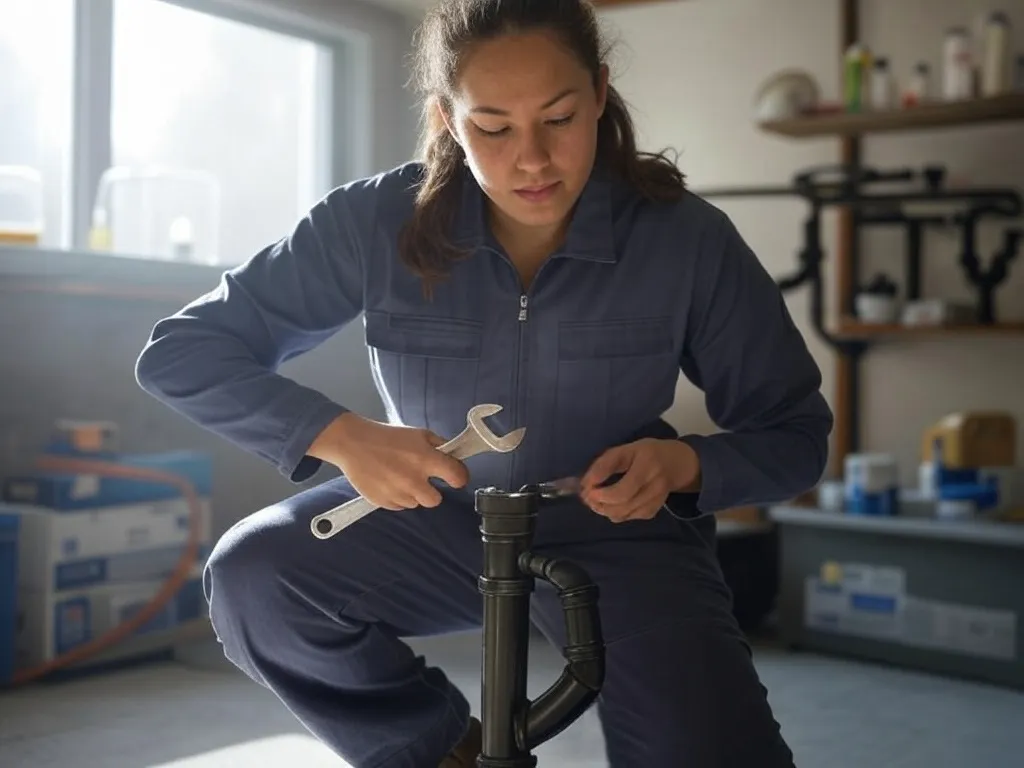
Some issues hide beneath the surface. A professional inspection can uncover hidden leaks, low water pressure, or worn-out pipes. During a seasonal tune-up, a technician will evaluate the entire system, from your pipes right through to the water heater, and provide maintenance advice specific to the season.
Regular tune-ups such as these can help prolong the lifespan of critical parts and reduce the risk of expensive repairs further down the line.
5. Check Water Heater Performance
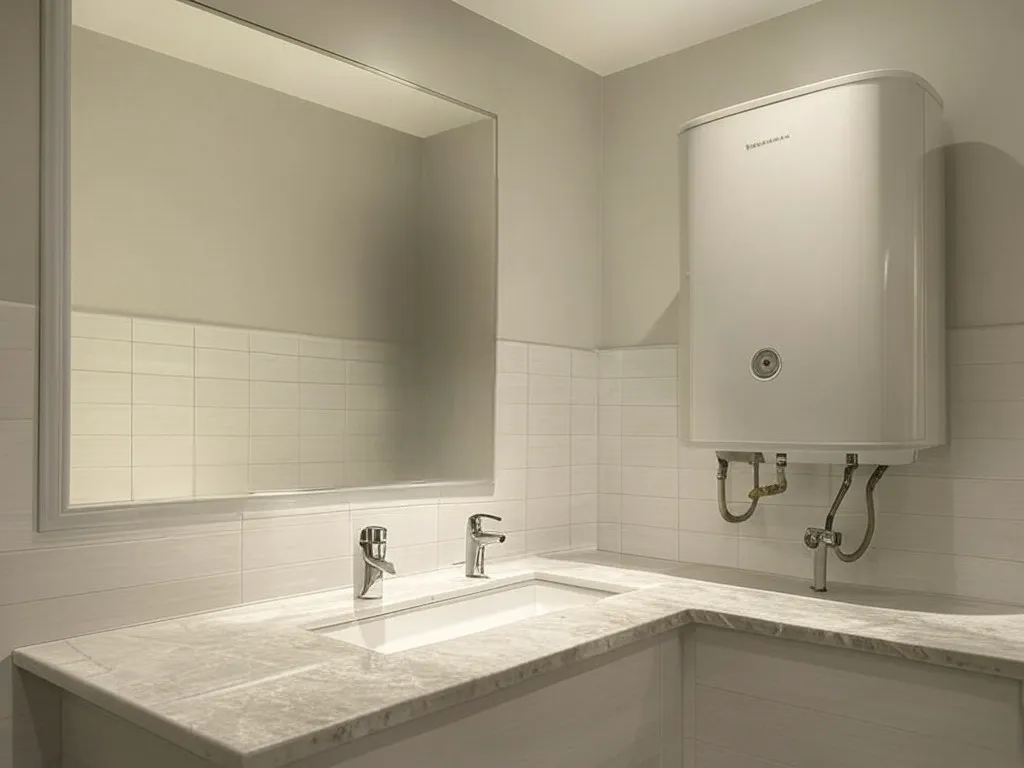
Your water heater can have trouble providing consistent hot water as the temperature changes. When you notice low water pressure, temperature changes, or discolored water, it’s time for a tank flush or service.
Flushing out built-up sediment a few times a year improves heating efficiency and extends the life of the unit. This is especially important for homes with hard water, as it can cause faster wear and reduce efficiency.
Plumbing should be checked and maintained regularly, from inspecting for leaks inside the house to outdoor equipment. Use a professional inspection service to ensure everything is running smoothly. By doing this, you can prevent major damage and keep the water system in top shape, no matter when the season changes.