

A Home Equity Line of Credit (HELOC) lets you borrow cash using the equity in your home, much like a credit card. It differs from a regular loan in that you don’t receive all of the money up-front, instead of borrowing only what you need at any particular time.
That tends to be quite flexible for those who want to finance home improvements, restructure debt, or pay for unexpected needs. The following article examines HELOCs in detail, including how they work, the pros and cons, and other considerations so you can make a well-informed financial decision.
What’s a HELOC?

A HELOC (Home Equity Line of Credit) is a loan that uses the equity in your home as collateral. Your equity is basically the difference between what your home is worth and how much you still owe on your mortgage. With a HELOC, the amount you can borrow is usually between 75-85% of your home’s appraised value, minus what you still owe on your mortgage.
While it differs from a traditional home equity loan, HELOC is somewhat flexible; instead of giving you one lump sum with a fixed interest rate, it acts as a line of credit. Normally, within 5-10 years, one can borrow and repay and borrow again. If that time lapses, it enters the stage of repayment when you have to start paying back both the principal and the interest over the succeeding 10 to 20 years.
How Does a HELOC Work?

A HELOC has two key phases:
- Draw Period (5-10 years): During this phase, you can borrow from your credit line as much as you need, up to the allowed maximum. Minimum monthly payments may simply require interest payments, making it an appealing alternative for people seeking cash flow flexibility.
- Repayment time (10-20 years): Once the draw period ends, you must begin repaying the principal plus interest. Monthly payments might increase over this period, so preparation is essential.
Benefits of a HELOC

- Flexibility: You only borrow what you need, and you only pay interest on what you’ve borrowed.
- Lower Interest Rates: Because it’s secured by your home, a HELOC usually has lower rates than credit cards or personal loans.
- Possible Tax Deductions: If you use your HELOC to improve your home, the interest may be tax-deductible. Check with a tax expert to see if you qualify.
- Access to More Cash: Since it’s based on your home’s equity, a HELOC can give you access to more money than unsecured loans, making it great for big expenses like home renovations or education costs.
- Revolving Credit: During the draw period, you can keep borrowing and repaying as needed, which is useful for ongoing or long-term projects.
Risks and Considerations

- Risk of Losing Your Home: Your house is collateral, so if you don’t make payments, you could face foreclosure.
- Variable Interest Rates: Many HELOCs have adjustable rates, meaning your payments could go up if interest rates rise.
- Temptation to Overspend: With easy access to credit, it can be tempting to borrow more than you need. Make sure you’re using it wisely.
- Bigger Payments Later: If you’ve only been paying interest during the draw period, your payments could jump when you have to start paying back the principal.
- Falling Home Values: If your home’s value drops, your available equity could shrink, and your lender might even reduce your credit limit.
How to Qualify for a HELOC
Lenders look at a few key factors before approving a HELOC:
- Home Equity: Typically, you should have at least 15-20% equity in your home.
- Credit Score: A higher credit score (often 620 or above) increases the chances of approval and secures lower lending rates.
- Your debt-to-income ratio (DTI) should be below 43% to show you can handle the payments.
- Stable Income: Proof of consistent income reassures lenders about repayment ability.
- Appraisal Requirements: Some lenders demand a home appraisal to assess the property’s value and equity.
How to Use a HELOC Wisely
To get the most out of a HELOC, follow these tips:
- Use it for productive investments: like home upgrades that increase your property’s value, paying off high-interest debt, educational expenses, or even lifestyle enhancements such as travel, rather than spending money on things you don’t really need.
- Understand the terms: know the interest rate, repayment schedule, and any fees.
- Have a repayment plan: Start repaying the principal as soon as possible. Don’t just make the minimum payments.
- Monitor Interest Rate Changes: If your HELOC has a variable rate, monitor rate swings to anticipate prospective payment hikes.
- Don’t borrow more than you need.
Alternatives to a HELOC
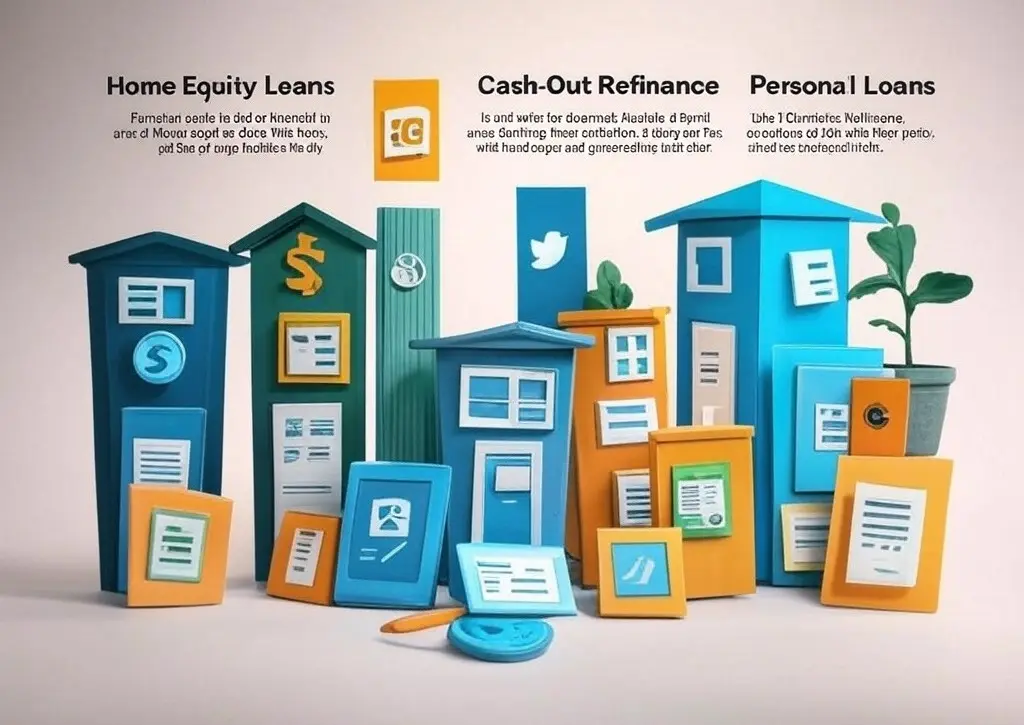
If a HELOC isn’t right for you, try these alternatives:
- Home Equity Loans: A lump sum loan with a fixed interest rate, good if you want predictable payments.
- Cash-Out Refinance: Replace your current mortgage with a bigger one and get the difference in cash.
- Personal Loans: Unsecured loans that don’t use home equity, but often have higher interest rates.
- Credit Cards: Handy for smaller expenses, but the interest rates are usually much higher.
Final Thoughts
A HELOC can be a great financial tool if used wisely. It gives you flexibility, lower interest rates, and potential tax benefits, but it comes with risks like variable rates and the chance of losing your home if you can’t keep up with payments. Understanding how a HELOC works and having a plan for repayment will help you make the most of this option while staying financially secure.