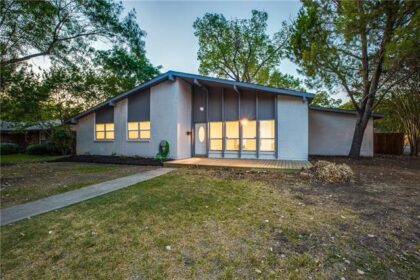

A property listing describes a great deal about a home, but reveals very little about what goes on outside the front door. The photos depict the kitchen and bedrooms, yard and finishes, but they do not illustrate how traffic will move during rush hour or what may eventually be built nearby. Buyers should look into these things as part of their due diligence process.
Study the Block, Not the Neighborhood
Real estate listing descriptions often use very broad neighborhood names which can mask significant differences. Two houses in the same community can be close to two very different roads, businesses, schools, or planned developments. Start with the immediate block. Look at:
- Neighboring properties
- Parking patterns
- Sidewalks
- Street conditions
- The distance to busier roads
Noise is a special concern, as it is hard to assess by a photo or short tour. An entertainment venue nearby, a busy road, or a school or a building site can be unnoticeable at one time and quite loud at another.
Follow the Development Trail
Some of the most important information about a location may not be visible yet. Local planning and zoning records may show proposed projects, land use changes, road projects, and other decisions that potentially impact an area.
This matters in Dallas, where development can change established neighborhoods. Buyers should distinguish between projects that are approved and funded and those that exist only as proposals or local speculation.
For example, a vacant parcel next door should not automatically be considered either an opportunity or a problem. Its zoning and development potential provide more useful information than its current appearance.
Check How the Area Works Day to Day
Amenities are often discussed in terms of distance, but accessibility is more than measuring miles. A store may be in close reach, but not accessible due to traffic or the layout of the road. A park may look accessible while lacking a convenient pedestrian route.
The same approach works for transportation, schools, healthcare, restaurants, and employment centers. Consider how these places are reached during the parts of the day when they will actually be used.
Housing patterns can also provide useful context. New multifamily developments may indicate growing demand, although their presence alone does not determine whether an area will become more attractive. The principle applies across markets. Be it Dallas homes or apartments in Footscray, proximity on a map does not necessarily mean convenience in practice.
Separate Improvements From Location
While a fresh kitchen, or new flooring, can make a house easier to market, interior enhancements should not detract from factors beyond a buyer’s control. For a family with an electric car, an EV charger might be beneficial, but it can’t make a bad commute better. Likewise with bathroom upgrades, a home may appear more appealing without any change to its location.
Features inside the house can usually be changed after purchase. However, the surrounding road network, neighboring land uses, and broader development pattern generally cannot.
Endnote
A property purchase involves more than the structure on the lot. Traffic, community, zoning, transportation, even amenities can affect how practical the home will be after purchase. Knowing these factors beforehand will enable buyers to make a more realistic assessment of the property and its location based on more than just the pictures and interiors.