By Cody Payne, Senior Vice President | Dallas-Fort Worth
Capital Markets Group, Colliers International
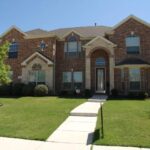
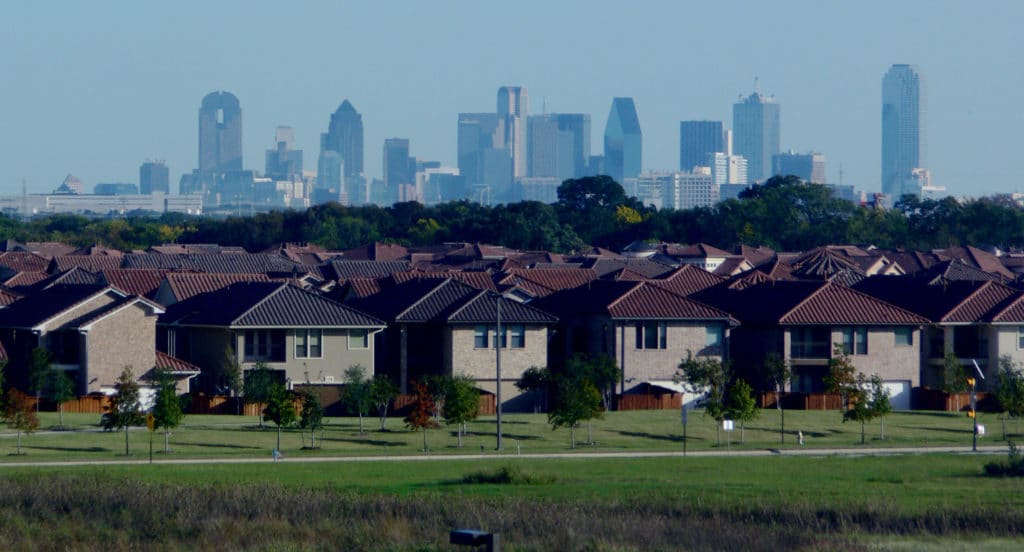
As the Dallas-Fort Worth Metroplex continues to add out-of-state residents, suburbs continue to expand.
The race for affordable housing sends developers further away from urban cores in order to find suitable land options to build master-planned communities.
With the growth of cities exploding outside central business districts, does this add value to the economy?
Suburban neighborhoods have always provided an escape for young professionals that are looking to start a family and find better schools to send their children. Often, these individuals continue to work in downtown locations that have access to higher-paying jobs than what they would find closer to their new homes.
The opportunity to get more square footage for a lower price still has disadvantages such as longer commutes, fewer opportunities for walkability to your favorite restaurant, or shopping.
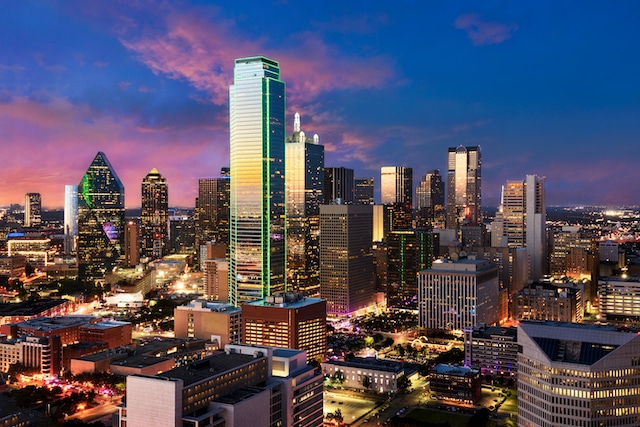
As cities look to reinvigorate their downtown areas, density begins to model into the equation that will provide the most value to the economy. Dallas-Fort Worth is a unique opportunity when city planning begins to take shape for new communities outside the Dallas and Fort Worth central business districts.
Increasingly Urban Suburbs
For example, look to the towns of Coppell, Flower Mound, and Grapevine. As the population began to increase, these cities provided unique opportunities for residents to find cheap housing but still be close to many amenities. As these areas grew, corporations saw the advantages of moving their locations closer to these areas. The workforce was transitioning to cities like this with a lifestyle that is more laid back and gives them more room to enjoy.
These pockets began to turn into logistic centers for industrial warehouses that shortened the trips drivers had to take in order to deliver their goods to final destinations. With commerce flowing into these areas, housing prices began to increase and real estate prices for industrial and office buildings began to follow due to the uniqueness of these areas.
Coppell is an affluent community that provided executives of airline companies and corporations in the downtown areas a place to escape when not working. As you drive through the area you see mansions and on the next block tilt-wall industrial business parks for companies that have locations across the United States. These areas that were meant to be escapes began to urbanize and become economic centers that worked seamlessly with the corporate offices in the city centers.
Walkable Areas Attract Young People
The revitalization of downtown areas as the younger workforce looks for access to restaurants, shopping, and fitness near their residences can be seen across the Metroplex. High-rise apartments have become the driving force in urban downtowns causing the price of the real estate to increase exponentially.
With developers and investors looking to profit off these residents living in downtown, they have begun revitalizing derelict buildings or vacant spaces into creative concepts. With walkability being a key factor, these young residents look for locations that allow them to enjoy dinner on the patio of their favorite restaurant and walk to a bar or tavern to enjoy a cocktail before heading back home. These creative concepts are often utilized in older warehouses that have been vacated to move operations out closer to the older populations that live in the suburbs to shorten transportation time.
The Design District on the outskirts of downtown Dallas is also a key area where this can be seen. Consisting of older industrial buildings that were used for manufacturing, they are now being renovated into high-end art galleries and antique stores. As these property owners cleaned up the spaces and drove customers into the area, other businesses began to move in. Some of the most popular local restaurants are now situated in the Design District for these shoppers to enjoy while browsing artwork and antiques to add to their homes.
Following these attractions, developers started constructing boutique hotels and Class A apartment complexes that increased values substantially in the area. These dense centers allowed residents and people to enjoy a unique area to Dallas but still be nearby jobs in the downtown area.
As changing perceptions of the incoming workforce continue to drive how cities are planned, density will continue to be one of the main opportunities that will continue driving property values up while allowing consumers to access more amenities without having to travel far from their residences.