
- Give the Bedroom More Attention During a Viewing
- Your Mattress Needs to Work With the New Space
- Think About Layout Before Falling for Square Footage
- Temperature Control Deserves Serious Attention
- Pay Attention to Noise, Light, and Privacy
- Check Whether the Room Encourages Rest
- Remember That Sleep Affects More Than Comfort
- Evaluate the Bedroom Like You Actually Live There
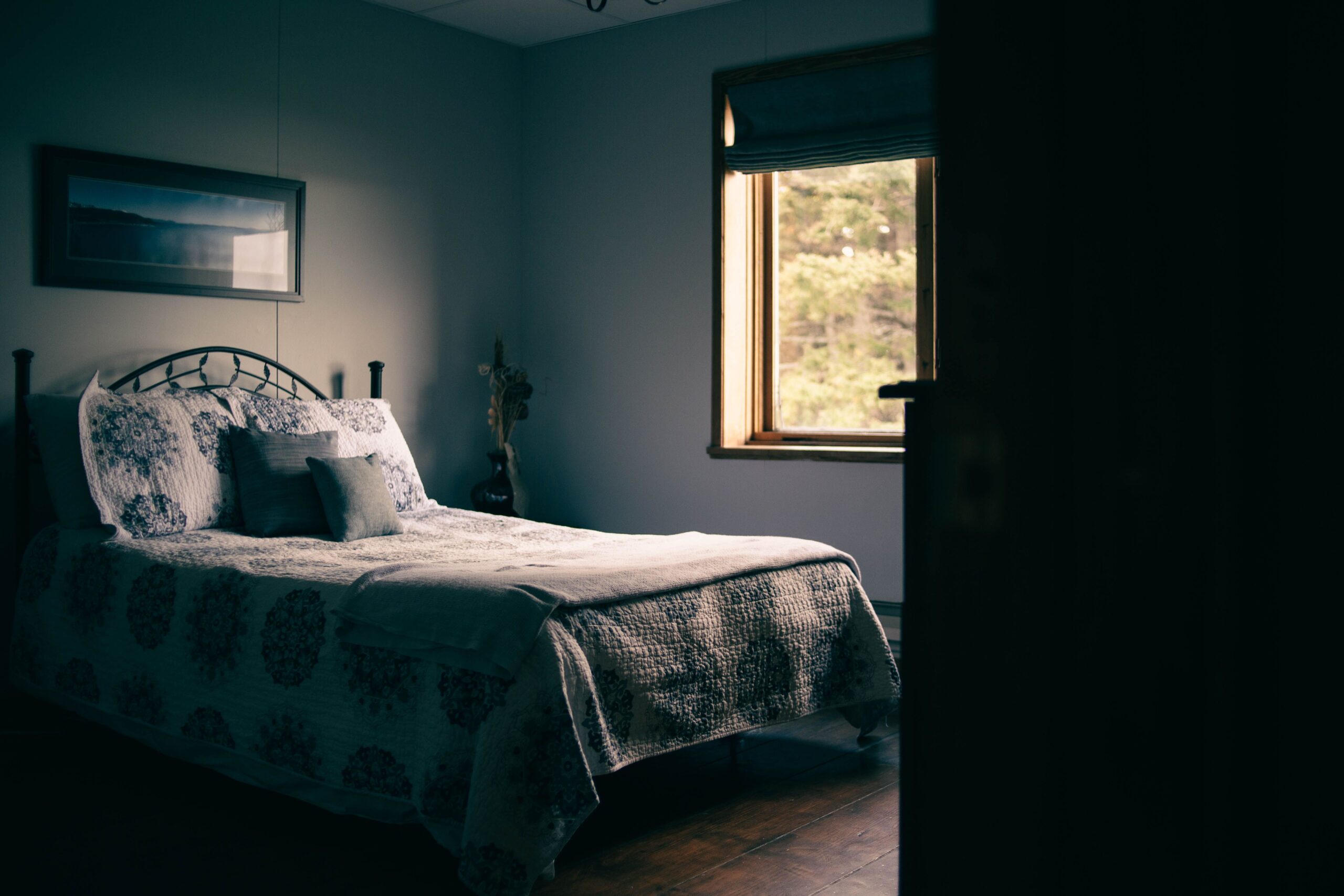
When people compare homes, the obvious details usually get most of the attention: price, space, layout, storage, and the condition of the kitchen or bathrooms. Yet everyday comfort can depend on quieter factors that are easy to miss during a short viewing. Your bedroom’s temperature, noise levels, natural light, privacy, and layout can influence how well you rest. A home may look impressive during the day and still be surprisingly difficult to sleep in at night.
Give the Bedroom More Attention During a Viewing
Bedrooms rarely receive the same scrutiny as kitchens or living areas. Buyers walk in, check whether the room looks reasonably large, glance at the closet, and move on.
Spend a little longer.
Look at where the windows face and how much outside light enters the room. Notice whether the bedroom shares walls with busy living spaces, stairways, elevators, mechanical equipment, or neighboring units. Open the windows and listen.
A bedroom does not need to be silent, but persistent traffic, machinery, or activity nearby may become much more noticeable when everything else quiets down at night.
Your Mattress Needs to Work With the New Space
Moving is also a useful opportunity to reconsider the bed itself. An attractive bedroom cannot compensate for a mattress that no longer provides the comfort or support you need.
Start with your sleeping habits. Consider firmness preference, sleep position, pressure relief, temperature regulation, mattress size, and whether two people have different comfort needs.
If you prefer mattresses built around individual comfort requirements rather than choosing solely from standard mass-market options, Custom Comfort Mattress is one company focused specifically on handcrafted mattresses and sleep products. The important point when furnishing a new bedroom is to match the mattress to the sleeper as well as the available space rather than assuming that a larger or more expensive bed is automatically better.
Measure first, too. Discovering that your dream bed leaves six inches between the mattress and the closet is an unnecessarily expensive lesson in geometry.
Think About Layout Before Falling for Square Footage
A large bedroom can still be awkward if doors, windows, vents, and closets leave only one realistic place for the bed.
Picture your actual furniture in the room rather than the smaller pieces sometimes used for staging. Would your bed leave enough walking space? Can both people reach their side comfortably? Will a dresser block a vent or make the closet difficult to open?
These questions sound mundane because they are. That is precisely why they matter. You will deal with the layout every morning and evening long after you stop admiring the staged cushions.
Temperature Control Deserves Serious Attention
Bedroom temperature can affect sleep more than buyers sometimes realize. A room that becomes excessively warm overnight may leave you restless even when everything else about the space works.
Sleep Foundation notes that a comfortably cool bedroom generally supports better sleep, although individual preferences vary.
During a viewing, check ventilation, window quality, insulation, ceiling fans, and heating or cooling systems. Ask whether some rooms tend to become noticeably warmer or colder than others.
Also consider sunlight. A bedroom receiving strong afternoon sun may feel very different several hours after you toured it in the morning.
Pay Attention to Noise, Light, and Privacy
A bedroom’s sleep potential depends partly on what happens outside it.
Stop talking for a moment during the viewing and listen. Traffic, neighbors, plumbing, footsteps, doors, elevators, pets, and mechanical equipment can all become more obvious at night.
Light deserves the same attention. Streetlights, neighboring buildings, hallway lighting, and early sunlight may affect the room differently after dark.
Guidance on creating a healthy sleep environment emphasizes keeping the bedroom cool, quiet, and dark while using comfortable bedding suited to the sleeper.
Curtains, rugs, and white noise can solve some problems. Structural noise or poor privacy may be considerably harder to change.
Check Whether the Room Encourages Rest
Modern bedrooms often perform several jobs. They become offices, exercise spaces, television rooms, storage areas, and occasionally somewhere to sleep.
That flexibility can be useful when space is limited, but consider whether the room can still feel separate from the busier parts of your day.
If you work from home, look for somewhere outside the bedroom to place a desk when possible. A dedicated work area can also prevent monitors, paperwork, chargers, and other distractions from gradually taking over your sleep space.
Small details help here. Enough outlets near the bed, sensible lighting controls, good ventilation, and practical storage can make the room easier to live with without requiring a dramatic renovation.
Remember That Sleep Affects More Than Comfort
Sleep quality is not simply about whether you feel refreshed the following morning.
The Centers for Disease Control and Prevention notes that adults who regularly get fewer than seven hours of sleep are more likely to report certain health problems. Its sleep guidance also recommends keeping bedrooms cool, dark, and quiet.
That does not mean a particular home guarantees better or worse health. It means the sleeping environment deserves more attention than it often receives during the buying process.
A beautifully renovated property can still become frustrating if your main bedroom regularly exposes you to excessive heat, light, or noise.
Evaluate the Bedroom Like You Actually Live There
A viewing encourages you to think visually. Try thinking practically instead.
Stand where the bed would go. Check the windows. Listen for noise. Look for vents and heating or cooling equipment. Consider privacy. Imagine your normal furniture in the space rather than the staged setup.
If possible, ask about conditions at different times of day. Some problems are invisible during a short afternoon appointment.
A good home should work when nothing particularly exciting is happening. You should be able to cook dinner, put things away, relax, sleep, and get through an ordinary morning without constantly fighting the layout.
Beautiful finishes may grab your attention first, but daily comfort tends to have a much longer shelf life. When comparing homes, give the bedroom the same serious consideration you give the kitchen, storage, or living space. After all, you will spend a substantial part of your time there—most of it with your eyes closed.