Dallas homeowners know a backyard that works well is about more than just aesthetics. It also has to hold up against the weather all year. From triple-digit summer heat waves that bake the soil to torrential spring downpours that threaten to wash away landscaping, North Texas weather is notoriously unforgiving.
Outdoor living has become a big priority for local homeowners who want to get more use out of their property, yet many find their costly patio upgrades or garden additions start wearing out too soon. Whether you are tackling a major renovation or exploring new home improvement trends to upgrade your backyard, ensuring your outdoor upgrades are functional and designed for long-term use is crucial.
One reason Australian design stands out is that parts of Australia face similar heat, drought, and sudden storms, so many of the same backyard strategies also make sense in Texas.
Read more: Backyard Fence Ideas 2025: Privacy Retreats and Durable Designs for Texas Homes
Why Australian Outdoor Building Standards Make Sense
When it comes to outdoor structures, the materials you choose can make or break your investment. Standard wood structures are highly prone to termite damage, warping, and rot, while lightweight metal kits often buckle or blow apart when severe weather rolls through.
Because their local environment is so demanding, manufacturers Down Under have spent decades building resilient steel structures that can endure extreme conditions.
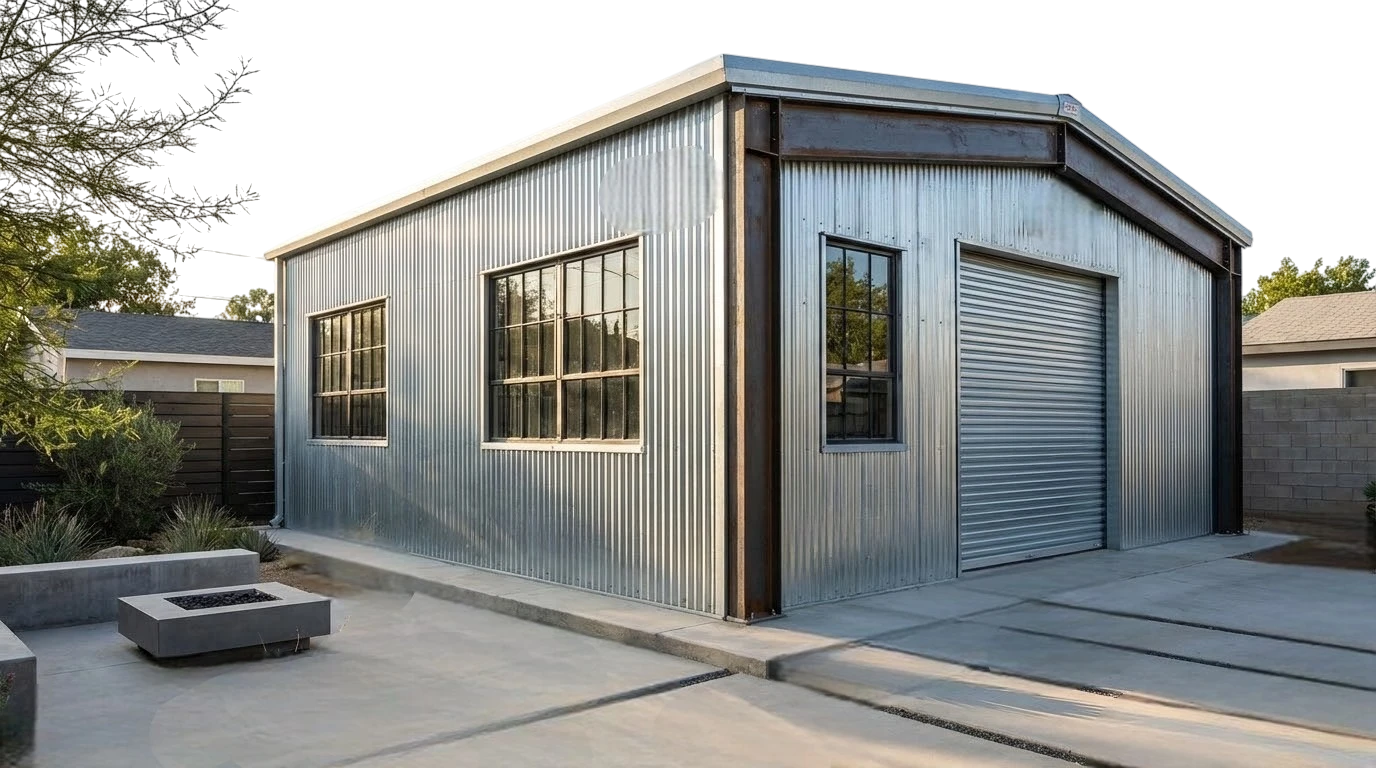
For instance, high-tensile steel Aussie made sheds are specifically engineered to endure extreme wind loads, intense heat, and heavy rain without compromising their structural integrity. These heavy-duty buildings often use thicker steel and reinforced framing, making them stronger than many standard sheds sold at garden centers or big-box stores.
By choosing structures built to handle those conditions, You can safely store expensive riding mowers, create secure backyard workshops, or protect their vehicles from unexpected spring hailstorms. You can also use them as insulated outdoor home offices or personal gyms during the hottest months of the year.
Read more: Outdoor Lighting Guide 2026: Choose the Right Lights for Your Home
Building for Heat and Sudden Storms
The primary obstacle in both North Texas and many parts of Australia is unpredictable weather. Homeowners in these regions must design for two very different problems, blistering sun and sudden, heavy storms.
Standard building materials like thin timber, basic plastics, or untreated fabrics often warp, crack, fade, or tear within a few short seasons under such intense conditions. Protecting your property means choosing materials that can handle the local climate.
Managing temperature swings and excessive water are critical factors to consider. The National Weather Service (NWS warns that extreme heat can quickly become dangerous, and Texas flood guidance notes that hard surfaces and urban development can keep rain from soaking into the ground, which increases runoff problems.
Because sudden storm surges can easily wash out weak foundations or completely destroy flimsy garden installations, investing in well-built, weather-resistant backyard structures is often the smarter move for local homeowners.
Essential Australian Design Upgrades for Texas Homes
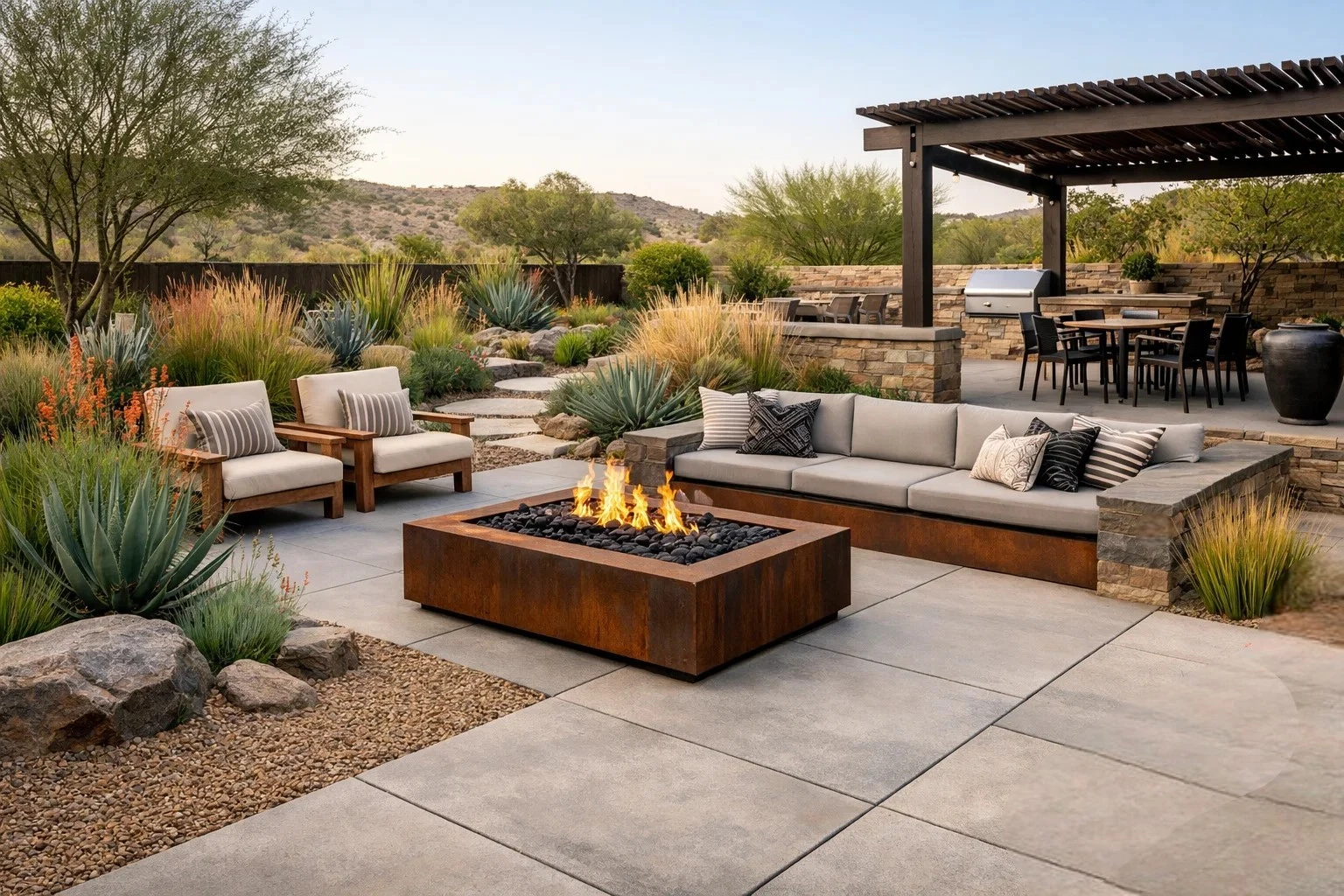
How exactly do you bring this resilient, climate-ready philosophy into a Dallas backyard? The key is to prioritize usefulness and durability without sacrificing your personal style.
Here are a few strategies from Australian landscape and architectural design that work well in Texas.
Drought-Tolerant Landscaping
Rather than fighting the intense heat to keep delicate lawns alive, resilient designs use native grasses, succulents, and drought-resistant shrubs. This can cut down on water usage while keeping the yard vibrant during prolonged dry spells.
High-Coverage Shade Structures
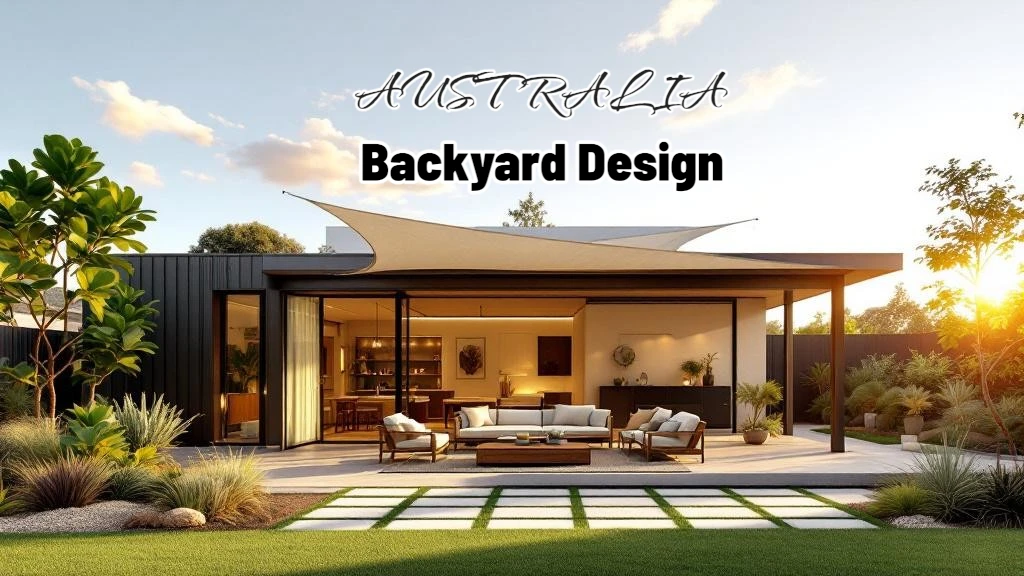
Australian backyards frequently feature thick, UV-blocking shade sails. These semi-permanent structures provide essential, cooling relief over patios, dining areas, and swimming pools, protecting families and expensive outdoor furniture from sun exposure.
Permeable Paving
To combat the intense stormwater runoff mentioned earlier, forward-thinking homeowners are shifting toward permeable paving. Using porous materials for driveways and garden paths allows sudden downpours to soak naturally into the ground, preventing the pooling and severe soil erosion that frequently follows heavy spring rains.
The EPA also notes that permeable pavement helps reduce runoff by letting stormwater move through the surface and into the ground below.
Fire-Resistant Material Choices
With dry, hot conditions increasing the risk of brush fires in certain Texas suburbs, using noncombustible materials for decking, fencing, and outbuildings has become a major priority. Australian designers frequently opt for steel, stone, and treated composites over natural wood to help reduce fire hazards while maintaining a sleek, modern look.
Building for Long-Term Value
Upgrading a North Texas backyard is a significant financial investment, and protecting that investment requires strategic, long-term planning. By looking to proven Australian design principles, property owners can ensure their outdoor spaces remain beautiful, highly functional, and fully intact regardless of what the unpredictable weather brings.
From smart, water-conscious landscaping choices to heavily engineered steel outbuildings, building for true resilience is undoubtedly one of the smartest ways to add lasting value to your home.