
When you’re shopping for a home, you think about schools, curb appeal, and neighborhood character. But one thing that’s easy to miss, and yet makes a huge difference in property values, is the infrastructure that supplies clean water and handles wastewater.
Reliable water systems are essential for thriving communities. They don’t just keep taps flowing and toilets flushing; they influence everything from home prices to how fast new neighborhoods get built. In booming areas, particularly around major hubs like Houston, Austin, and Dallas-Fort Worth, the availability of infrastructure can determine whether a project gets built at all. As builders move farther into suburban and semi-rural areas, the link between infrastructure and property values is impossible to ignore.
The Hidden Deal-Breaker
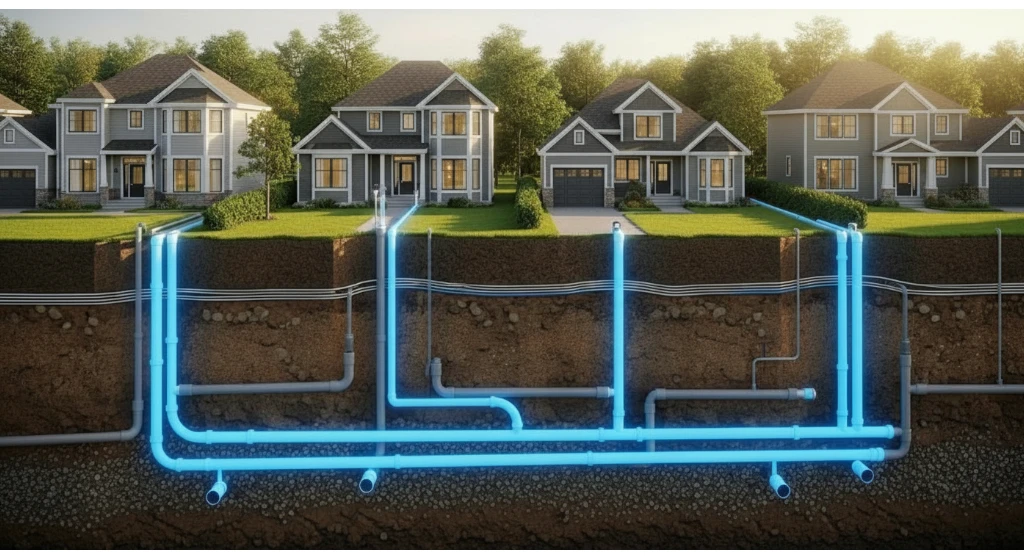
Real estate agents talk about location, location, location. But while it’s a top selling point, if an area lacks reliable infrastructure, its value takes a hit. For example, neighborhoods that deal with recurring boil-water notices or chronic low pressure often see slower appreciation and longer days on the market.
According to the Environmental Protection Agency (EPA), modern water and wastewater infrastructure is tied directly to public health and economic growth. When systems are solid and well-maintained, they reduce contamination risks, protect groundwater, and limit service disruptions. Stable infrastructure gives developers, lenders, and homeowners peace of mind that they are making a sound investment that will increase in value.
On the flip side, when water or wastewater systems are overextended, aging, or nonexistent, it can put the brakes on new housing projects and commercial growth. Developers may face months or even years waiting for utility connections or plant expansions. These delays result in mounting costs that just sit on the books. When these properties eventually go on the market, those costs get passed on to buyers and tenants.
The Utility Bottleneck
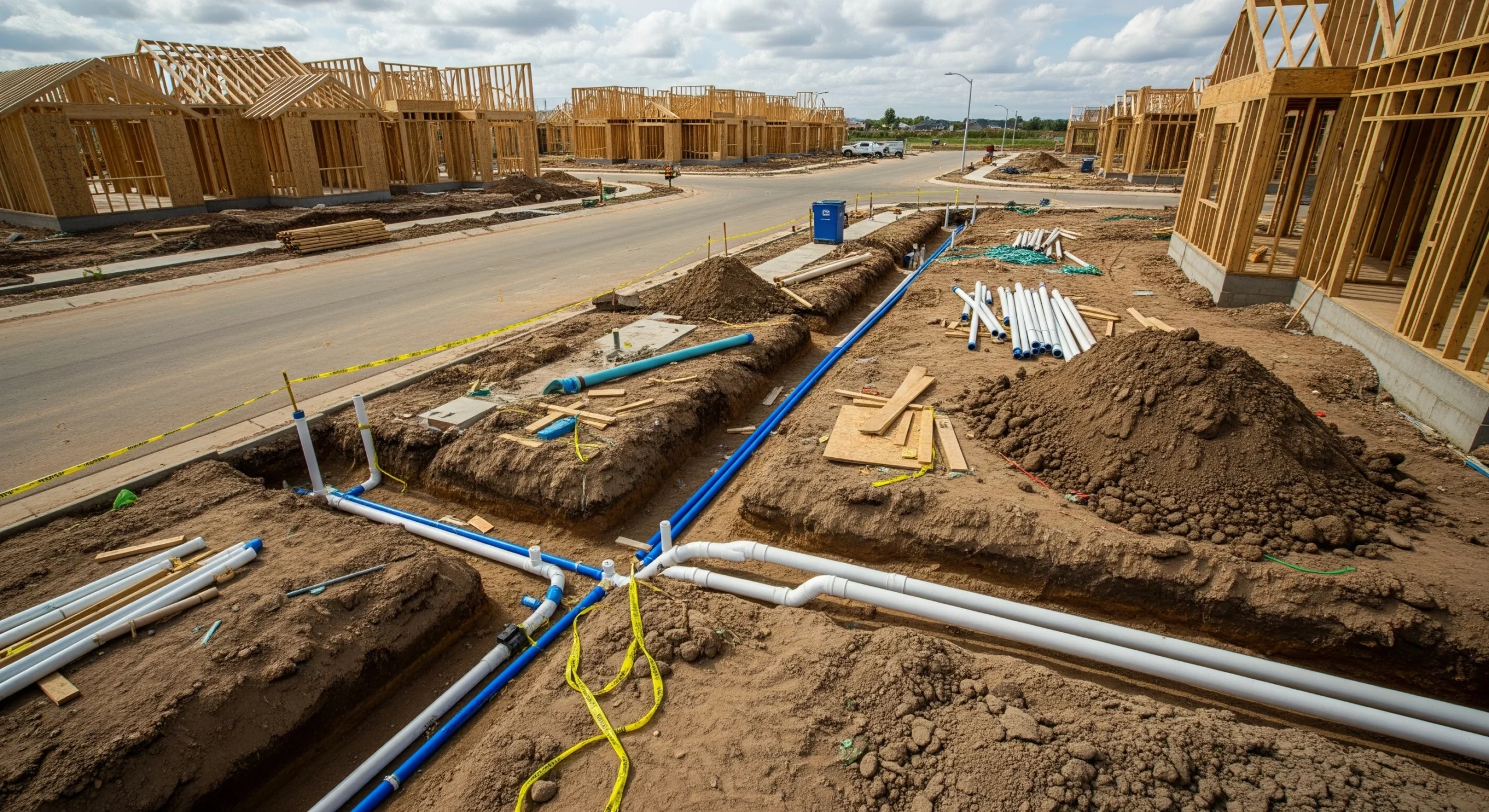
You see this happen all the time in Texas. Cities such as Houston and Dallas are expanding at a record pace, and while new homes and commercial projects seem to appear overnight, the infrastructure to support them often plays catch-up.
Traditional centralized wastewater systems take forever to plan and build. Extending sewer lines and upgrading treatment plants is an expensive, slow process. Smaller towns and private developers often face a gap where land is ready for development but utilities aren’t available.
This gap slows growth and can hurt property values before a project even begins. A new neighborhood without utility connections may sit in limbo for years. Investors are often hesitant to back stalled projects, local governments lose tax revenue, and potential homeowners look elsewhere.
This issue is also showing up in fast-growing regions nationwide, including parts of Florida, Arizona, Colorado, and the Carolinas.
A Faster Solution: Decentralized Systems
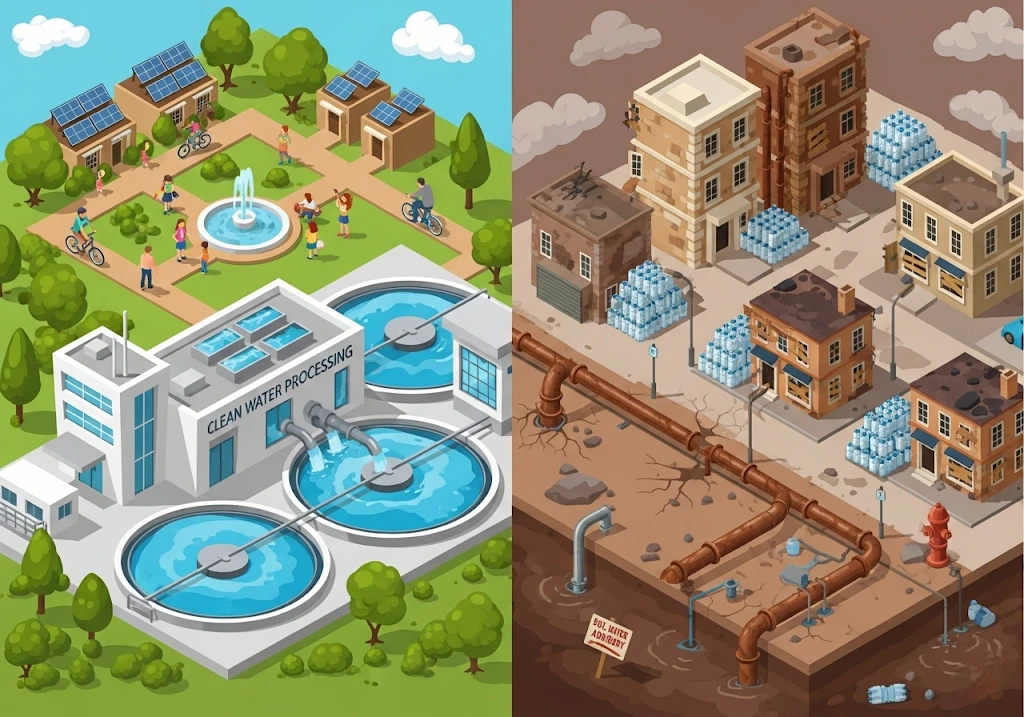
The good news is that there are solutions to help developers get around these bottlenecks. When municipal utilities aren’t available, developers can use temporary treatment systems to keep construction on schedule.
These modular, decentralized treatment plants are designed to serve communities before permanent utilities are in place. Because they are prefabricated, they can be up and running fast, often in a matter of months rather than years, allowing development to begin while municipalities work on longer-term utility expansion.
These systems meet all state and federal rules, treating wastewater safely and efficiently to prevent environmental contamination and protect public health.
For developers, this saves time and keeps the project moving. For municipalities, it helps the town grow responsibly. And for property owners, it offers peace of mind that their investment is supported by solid infrastructure.
Smart Infrastructure Protects Your Home’s Value
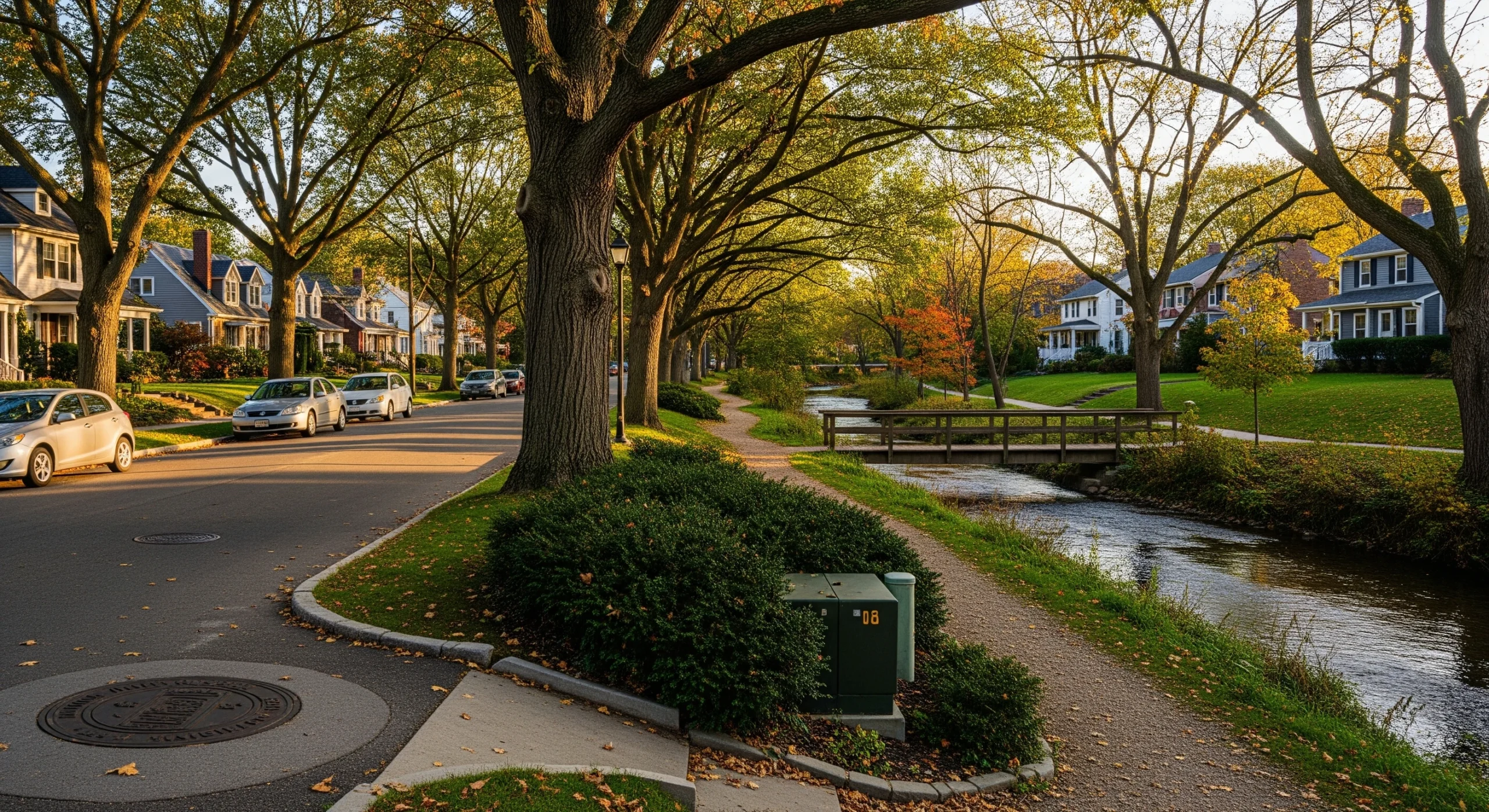
Water and wastewater infrastructure may not be visible, but it has a huge impact on property values. Reliability builds trust, attracts investment, and reduces the risk of costly disruptions. Neighborhoods with dependable water service and robust sanitation tend to hold higher property values.
A well-maintained wastewater system also protects natural resources such as rivers, lakes, and aquifers, features that directly influence a neighborhood’s desirability. No homeowner wants to worry about flooding, sewer overflows, or contaminated groundwater. Reliable systems ensure that these risks remain low, protecting the local environment and public health.
By contrast, when infrastructure fails or lags behind, property values can decline quickly. Even a single wastewater overflow event or boil-water notice can affect how a neighborhood is perceived and how much buyers are willing to pay to live there.
Infrastructure Impact on Dallas Home Equity
Primary Driver: Market Baseline
The Future Is Decentralized
As communities expand, decentralized wastewater systems are becoming key to smart infrastructure planning. Unlike traditional centralized plants, modular systems can scale with demand, expanding as new homes and businesses come online.
These systems offer short-term solutions and can be designed to support water reuse, helping communities recycle treated water for irrigation. This helps conserve and protect local freshwater supplies, making the community more eco-friendly.
Infrastructure Is an Investment
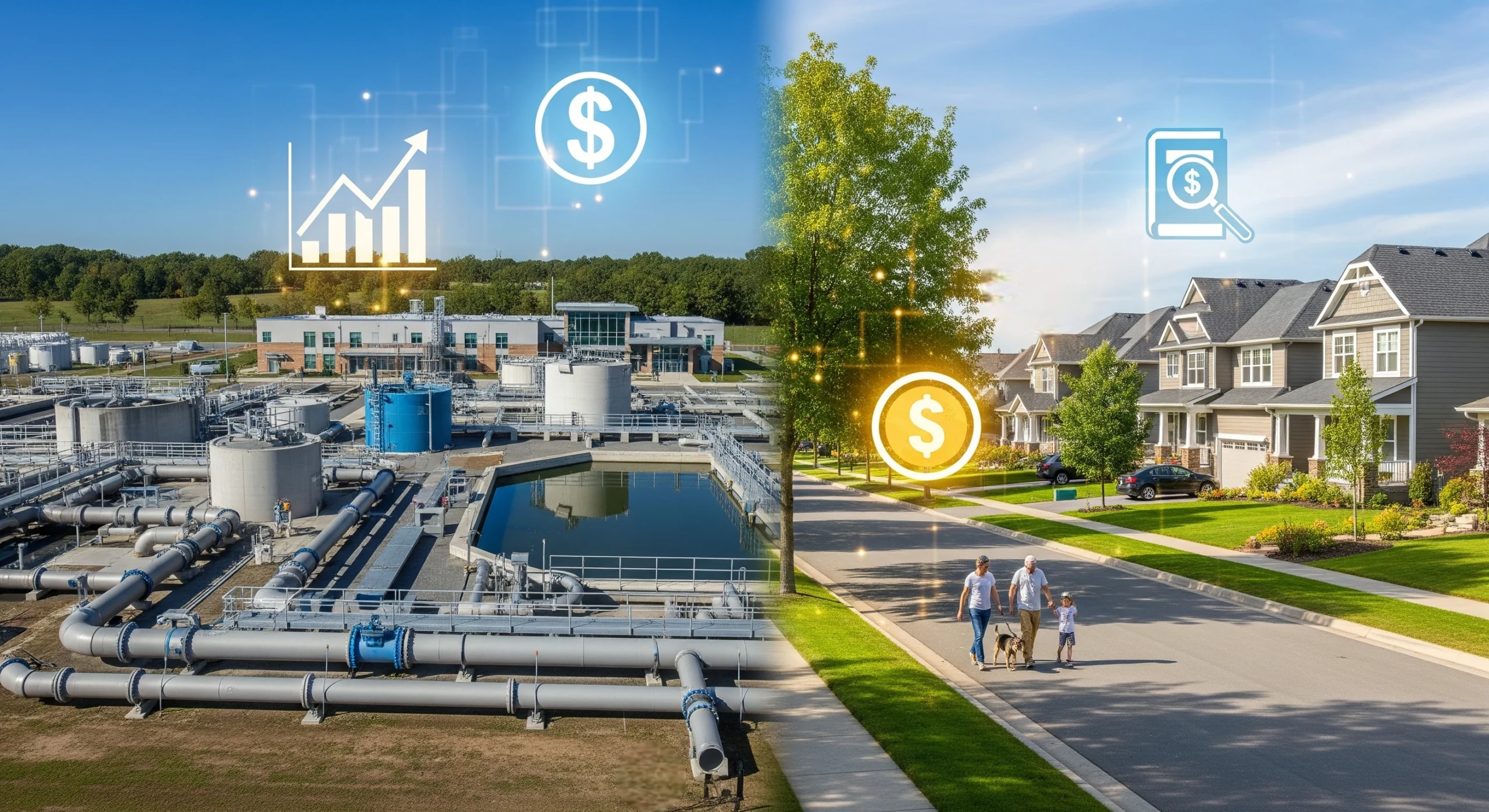
Whether you’re a homeowner, developer, or municipal official, one thing is clear: Infrastructure isn’t just a monthly bill. It’s an investment in property values and community well-being.
Decentralized solutions are keeping communities growing safely, sustainably, and with confidence that investments are protected from the ground up.