- Why Lab Moves Carry More Risk Than Standard Relocations
- A Phased Lab Relocation Timeline
- 8 to 12 Weeks Out for Scoping and Logistics
- 4 to 6 Weeks Out for Equipment and Material Prep
- Final 2 Weeks for Execution and Verification
- Post-Move Calibration and Safety Checks
- Protecting Continuity Across the Entire Transition
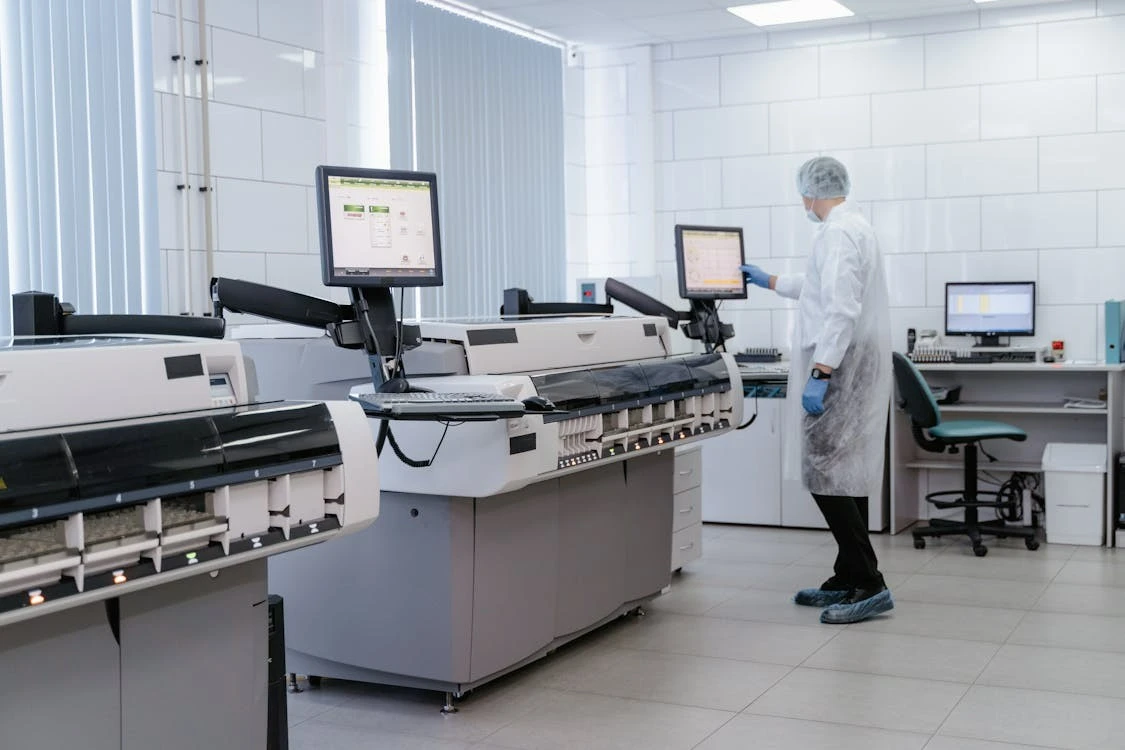
Lab relocations can break a business in a single weekend. Moving a laboratory within a Boston commercial property is nothing like shifting an office down the hall. You are dealing with sensitive instruments that hate vibration, hazardous materials that require tight controls, and regulatory rules that don’t care about your move date. What looks simple on a floor plan quickly becomes a coordinated, high-stakes operation.
When planning falls short, the fallout is immediate and expensive. Schedules slip, but so do calibrations, chain-of-custody logs, and safety protocols. One missed step can mean compliance violations, damaged equipment, spoiled samples, and weeks of interrupted research that ripple into budgets and deadlines. If you manage facilities, the margin for error is slim.
Why Lab Moves Carry More Risk Than Standard Relocations
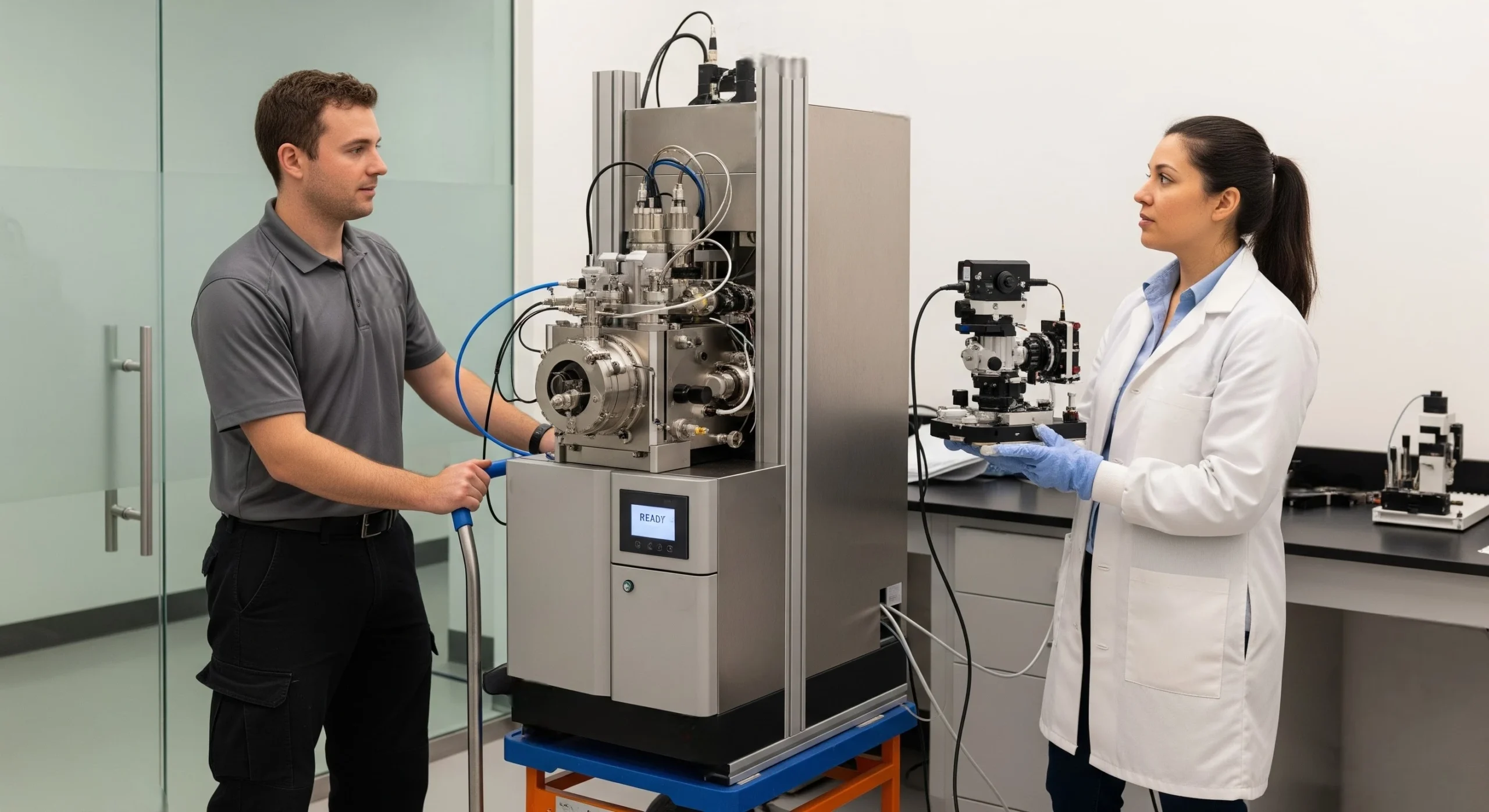
Standard commercial moves deal with furniture, files, and electronics. Lab moves, on the other hand, involve volatile chemicals, calibrated instruments, and biological samples that can degrade within hours if cold-chain custody breaks down. That difference alone changes everything about how the transition needs to be handled.
Regulatory obligations add another layer of complexity. EPA guidelines, OSHA standards, and Massachusetts state-level permits don’t pause during a move. They follow the lab to its new location, and any lapse in regulatory compliance during transit can trigger fines, shutdowns, or both.
Downtime just compounds the problem. A stalled research timeline doesn’t just mean lost days. It can mean expired reagents, corrupted data sets, and months of work that need to be repeated. The cost of downtime in a lab environment is far greater than in a typical office setting.
This is why working with a laboratory relocation company experienced in handling lab equipment and hazardous materials matters. A partner who understands minimizing downtime and compliance protocols can close the gaps that general movers simply aren’t equipped to manage.
A Phased Lab Relocation Timeline
A structured lab relocation timeline prevents these cascading problems. Breaking the process into three distinct phases gives facility managers a framework they can adapt to their specific scope, team size, and regulatory requirements.
8 to 12 Weeks Out for Scoping and Logistics
The first phase is where the highest-impact decisions happen. A move coordinator should be appointed early to serve as the single point of accountability across departments. Equally important, the EHS manager needs to be involved from day one and not brought in later to troubleshoot problems that could have been prevented.
During this window, the team needs to complete several key tasks.
- Audit the destination lab’s infrastructure. This includes HVAC capacity, electrical loads, ventilation systems, and gas line configurations.
- Secure lease overlap between the old and new spaces so the original lab remains available during validation and troubleshooting.
- Organize all business contracts, permits, and licenses that must transfer or be reissued at the new address.
In a competitive market like Cambridge or the Seaport District, lease overlap is often treated as optional to save costs, but it provides a critical buffer. If something at the new site isn’t ready, operations can continue without a full shutdown.
4 to 6 Weeks Out for Equipment and Material Prep
With logistics locked in, the focus shifts to physical inventory. Building a lab moving checklist organized by zone keeps this phase manageable. Each zone should categorize equipment by sensitivity level, flag instruments that require manufacturer-led decommissioning, and note items needing recalibration after reinstallation.
Hazardous materials require their own logistics track. Licensed carriers must be scheduled for hazmat transport, and packaging protocols need to align with DOT and EPA requirements. Vendor availability for scientific equipment relocation and recalibration at the destination should also be confirmed during this phase because scheduling delays here can stall the entire move.
Final 2 Weeks for Execution and Verification
The phased move plan comes to life zone by zone. Before any equipment arrives at the new site, utility and safety systems should be verified and fully operational. Running functional checks on fume hoods, emergency showers, and backup power prevents surprises on day one.
All permits and regulatory compliance documentation must be confirmed active at the new address before hazardous materials are brought on-site. Skipping this step risks violations that could delay operations far longer than the move itself.
Post-Move Calibration and Safety Checks

Once lab equipment arrives at the new site, the work is far from over. Vibration during transit, temperature fluctuations, and even minor handling shifts can push precision instruments out of tolerance. Without verification, a team could resume work on equipment that appears functional but delivers unreliable results.
Equipment calibration after a move is not simply a best practice. It is a regulatory requirement, and there are several important reasons to calibrate equipment after a laboratory move. Documented verification that each instrument meets its original specifications must be completed before lab operations restart, and skipping this step puts both compliance and data integrity at risk.
A post-move validation checklist needs to cover a few specific areas.
- Updated calibration records for every precision instrument.
- Safety system tests covering emergency shutoffs and alarms.
- Fume hood recertification at the new location.
- Cold storage temperature verification over a 24-hour monitoring period.
Teams should also build a contingency window into the schedule. If calibration reveals damage that wasn’t visible during transport, having backup options ready prevents open-ended downtime from derailing the entire timeline. You can rely on rental instruments or partner lab access to fill the gap.
Protecting Continuity Across the Entire Transition
The difference between a disruptive lab move and a safe one almost always comes down to the planning window instead of the move itself. When you give the team enough time, you can spot infrastructure gaps early, schedule qualified vendors, and keep regulatory documentation current instead of scrambling at the last minute. Every phase of this process supports one clear goal to get the lab fully operational in the new commercial property without compliance gaps, data integrity issues, or equipment losses.
For facility managers, that means committing to a structured lab relocation timeline. It also requires partnering with professionals who understand lab requirements and treating post-move calibration and safety verification as non-negotiable steps. Done right, the transition protects your people, your research, and your uptime.