
A lot of Canadians are asking the same question: should I rent or buy? Maybe you’ve compared rent listings with mortgage payments and still aren’t sure which path makes more sense.

The mortgage vs rent equation is complicated by homeownership costs and shifting interest rates, and whether you will stay put long enough to make buying worth it.
The real question is how each choice fits your finances, job stability, and plans for the next decade. That is what we will unpack here without repeating the same generic tips.
Rent vs. Buy: The Financial Reality Check
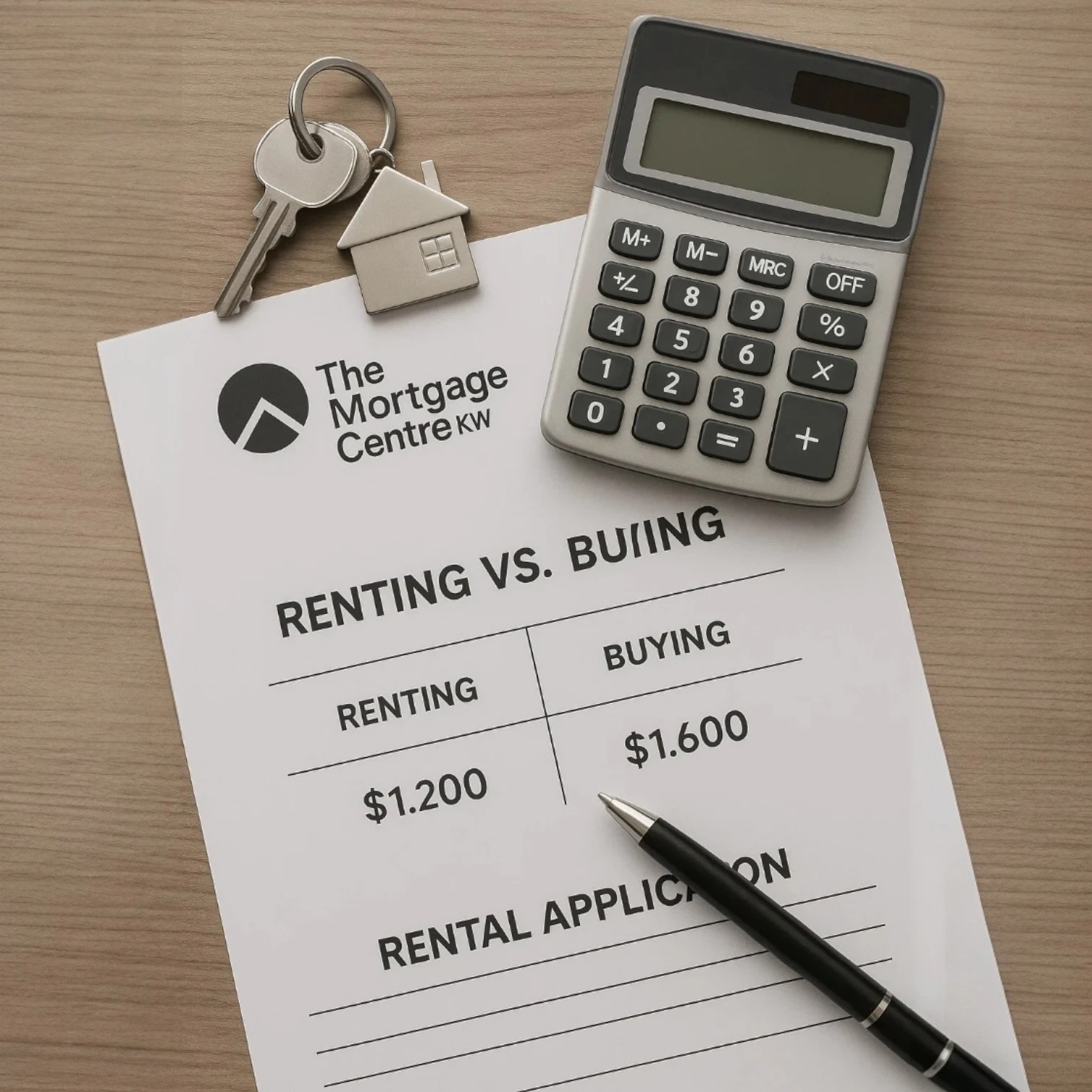
Before deciding between renting vs buying, look beyond the headline monthly payment. Both come with a set of costs that kick in before you even settle in.
Buying a Home
- Upfront: Down payment (minimum 5 percent on the first $500,000 in Canada), closing costs, inspection fees, and land transfer tax (which varies by province). On a $600,000 home, that’s often $35,000 to $50,000 just to get started.
- Ongoing: Principal and interest mortgage payments, property taxes, insurance, and maintenance. These homeownership costs can shift, especially if interest rates change.
- The benefit: Long-term equity and the chance for real estate investment gains if property values climb.
Renting a Home
- Upfront: Security deposit, first and last month’s rent, plus moving expenses.
- Ongoing: Monthly rent, utilities (if not included), and occasional renter’s insurance.
- Potential upside: Flexibility, lower financial commitment, and fewer unexpected bills.
The real choice comes down to affordability and your plans for the next five to ten years. If you are not sure where you stand, a quick conversation with a mortgage advisor can give you a clear, personalized breakdown based on facts.
Housing Market Trends in 2025
In May 2025, the average asking rent in Canada was about $2,129 per month. That is slightly lower than last year, but still well above pre-2020 levels.
Now compare that to owning, the average monthly mortgage payment is $3,500 to $5,500, based on current home prices and interest rates. The gap is wide, and it’s not just about the monthly bill. Buying adds property taxes, insurance, and maintenance costs, while renting avoids those but may come with rent increases over time, and you’re not building equity.
Lifestyle Factors to Consider

Money matters, but so does how you want to live. The renting vs buying choice can shape your day-to-day life more than you might think.
When Renting Makes Sense
- Mobility: If you see yourself changing cities or even just switching neighborhoods in the next few years, renting keeps you flexible.
- Low upkeep: Broken appliance? That’s your landlord’s problem. You avoid the surprise repair bills that come with homeownership costs.
- Lower commitment: A lease usually lasts a year, while a mortgage ties you down much longer.
When Buying Works Better
- Stability: You don’t have to worry about a landlord deciding to sell or raising the rent.
- Customization: Paint the walls, knock down a wall, plant a garden, homeownership lets you renovate or customize as you like.
- Long-term planning: If you plan to stay put for 5+ years, you start building equity instead of paying someone else’s mortgage.
In the end, financial planning for homebuyers or renters is about whether you value the freedom to move or the security of staying. The right answer changes depending on your career, relationships, and how much risk you’re willing to manage.
How to Know Which Side You’re On
When you simplify the decision, your choice between renting vs buying comes down to three questions:
How Long Will You Stay Put?
- Less than 3 years? Renting usually wins.
- Five years or more? Buying starts to make sense, especially if your market is trending upward and you’re thinking about real estate investment as part of your long-term wealth plan.
How Stable is Your Income?
- If your paycheck could take a hit or your job might move you, renting keeps you flexible.
- If your income is steady and you’ve built an emergency fund, you can handle the surprise costs that come with homeownership. That stability also makes it easier to work through the financial planning for homebuyers process with confidence.
What’s Your Debt-to-income Ratio?
- Mortgage lenders will look closely at your debts before approving you. If your debt-to-income ratio is high, you may want to rent while lowering it, using that time to plan for a smarter entry into real estate later.
These answers will point you toward the choice that fits your financial capacity and your life stage, not just what the headlines suggest.
Your Next Move Starts Here
In 2025, renting vs buying isn’t a universal math problem with one correct answer. It’s a personal calculation that blends your finances, stability, willingness to commit, and see it as a long-term investment. Others will rent, protect their flexibility, and wait for the market to shift.
What matters is making the call based on real numbers and a plan that fits your situation, not your neighbor, not the market chatter, and not some outdated rule of thumb.