- Understand Who Will Be Renting in 2027
- Design Apartments for Real Family Life
- Make Everyday Services More Convenient
- Invest in Technology That Makes Life Easier
- Create Amenities That Support Family Life
- Help Residents Feel Comfortable Staying Longer
- Make Long-Term Value Part of the Development Plan
- Build for the Renters Who Want to Stay
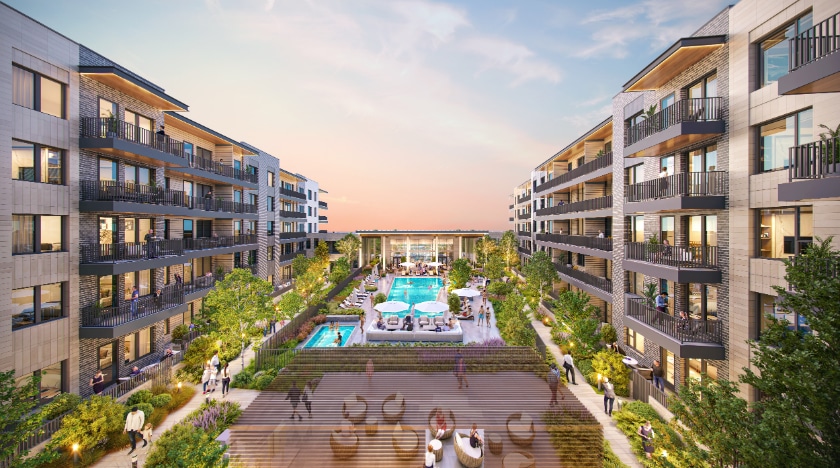
For years, the stereotypical urban apartment renter was a young professional who wanted a convenient commute, a rooftop lounge, and perhaps a fashionable coffee shop downstairs.
That renter still exists, of course. But the audience for multifamily housing is becoming more diverse, and developers need to pay attention.
High home prices, elevated borrowing costs, and the cumulative effects of inflation have made homeownership difficult for many households. Some people who might have purchased a starter home several years ago are now renting for longer. Others genuinely prefer urban life and have little interest in moving to the suburbs, even after having children.
For developers planning projects in 2027, this creates an interesting opportunity. The next popular apartment community may owe its success to practical floor plans and family-friendly services instead of flashy amenities.
Understand Who Will Be Renting in 2027
Developers should reconsider assumptions about who wants to live in an apartment building.
Account for Renters Who Aren’t Ready to Buy
Homeownership remains a financial challenge for many households. Between down payments, mortgage payments, property taxes, and maintenance expenses, buying a home may be difficult even for people with established careers.
Some renters are saving for a future purchase. Others may prefer the flexibility of renting while they make decisions about work, family, or where they want to live.
According to the Harvard Joint Center for Housing Studies, affordability pressures have affected renters across a broad range of income levels.
Developers should consider how these conditions may influence demand for larger units, longer leases, and amenities that support daily life.
Remember That Urban Renters Have Families, Too
Not every household with children wants a detached house and a large lawn.
Some parents appreciate the ability to walk to schools, parks, restaurants, and neighborhood businesses. They may also value shorter commutes and access to public transportation.
For these households, an apartment can be a long-term home. That changes what developers should prioritize. Storage, functional layouts, quiet bedrooms, and convenient access to everyday services may matter considerably more than a flashy lobby.
Design Apartments for Real Family Life
A beautiful apartment can make an excellent first impression. But residents eventually need somewhere to store the vacuum cleaner, fold laundry, and put away a stroller.
Offer Flexible Floor Plans
Developers should consider a mix of apartment sizes, including two- and three-bedroom units where local demand supports them.
Flexible layouts can accommodate home offices, children’s bedrooms, or visiting relatives.
A separate dining area may also appeal to households that regularly eat together or need a place for homework.
Good sound insulation deserves particular attention. Families benefit from privacy, and neighboring residents will appreciate it, too.
Give Residents Enough Storage
Storage is easy to underestimate during the design process.
Families accumulate sports equipment, seasonal clothing, toys, and countless other belongings. Without adequate closets or storage areas, even a spacious apartment can become cluttered.
Consider entryway storage, generous kitchen cabinets, and secure spaces for bicycles and strollers.
These features aren’t especially glamorous, but residents will use them every day.
Make Everyday Services More Convenient
Practical amenities can make apartment life considerably easier for busy households.
Offer Family-Friendly Laundry Services
In-unit washers and dryers are attractive to many renters, particularly families with children.
Where individual laundry equipment isn’t feasible, developers can improve shared facilities with reliable machines, mobile payments, and clear information about availability.
Properties can also consider partnerships that allow residents to request pickup wash-and-fold laundry service.
For a household balancing work schedules, school activities, and other responsibilities, having laundry collected and returned clean can be a welcome convenience.
It’s unlikely to make the cover of an architectural magazine. But ask a parent with three overflowing laundry baskets whether they’d appreciate the service, and you’ll probably get an enthusiastic answer.
Make Deliveries and Groceries Easier
Package rooms should accommodate the volume of deliveries a modern apartment community receives.
Secure lockers and automated notifications can help residents retrieve packages without relying on leasing office hours.
Developers might also consider designated areas for grocery deliveries and convenient access for delivery drivers.
The objective is to make these routine tasks less troublesome for residents and property staff.
Invest in Technology That Makes Life Easier
Connected building systems will remain an important part of multifamily development in 2027. However, technology should serve the residents’ needs.
Make Internet and Access Control Reliable
Residents need dependable internet connections for work, school assignments, entertainment, and everyday communication.
Developers should plan adequate network capacity throughout apartments and common areas.
Electronic access systems should also be straightforward to use. Mobile credentials, intercoms, and visitor management platforms can be convenient, provided they work reliably.
As Sean Edwards, President of Rittenhouse Communications Group, explains:
“The best technology in an apartment building is the kind residents barely have to think about. Nobody moves into a new apartment hoping to become an expert in access control software. They want the door to open, the Wi-Fi to work, and their everyday services to be easy to use. That’s the experience developers should be designing for.”
That observation becomes particularly relevant when developers consider the needs of families and long-term residents.
Nobody wants to troubleshoot a complicated entry system while carrying groceries and trying to keep track of two children.
Keep Resident Apps Simple
A well-designed resident app can help households submit maintenance requests, communicate with management, reserve shared spaces, and manage visitor access.
Developers should favor platforms that integrate with existing property systems and minimize unnecessary steps.
Residents should also have alternatives when a smartphone isn’t available or convenient.
Create Amenities That Support Family Life
Shared amenities can still influence leasing decisions, but their usefulness deserves more attention than their novelty.
Include Spaces for Children and Families
Depending on the property’s size and location, developers might consider indoor playrooms, outdoor recreation areas, or flexible community rooms.
These spaces can give families additional room to spend time together without leaving the building.
A community room could also accommodate children’s activities, resident gatherings, or occasional educational programs.
Good design should account for safety, supervision expectations, and noise.
Make Shared Spaces Comfortable for Everyone
Family-friendly design doesn’t mean every common area needs to resemble a playground.
Quiet lounges, comfortable seating, and flexible workspaces can serve residents of different ages.
Outdoor areas with shade and accessible pathways may also appeal to households that want opportunities to relax close to home.
Developers should think about how these spaces will function on an ordinary Tuesday, not just how they’ll photograph for the leasing website.
Help Residents Feel Comfortable Staying Longer
A successful multifamily development should appeal to residents after the novelty of moving in has worn off.
Prioritize Maintenance and Security
Prompt maintenance and dependable building systems contribute to resident satisfaction.
Property managers should offer convenient ways to report problems and provide updates when repairs require additional time.
Well-maintained entrances, appropriate lighting, and thoughtfully designed access control systems can also support residents’ sense of security.
Build a Sense of Community
Some residents appreciate opportunities to meet their neighbors, particularly families who are new to an area.
Community gatherings, seasonal activities, and partnerships with neighborhood businesses may encourage connections.
Participation should remain optional, of course. Not everyone wants to spend Saturday afternoon making small talk in the courtyard.
The broader goal is to create a place where residents are comfortable establishing routines and putting down roots.
Make Long-Term Value Part of the Development Plan
Economic uncertainty affects developers as well as renters.
Construction costs, financing conditions, and operating expenses all influence whether a project will be financially successful.
Before investing in expensive amenities, developers should consider what prospective residents in the local market actually want.
Surveys, competitive property research, and conversations with property managers can help identify worthwhile improvements.
A practical amenity with modest operating costs may offer better long-term value than an elaborate feature that requires constant maintenance.
Build for the Renters Who Want to Stay
The most appealing multifamily developments of 2027 may look somewhat different from those designed around young professionals a decade earlier.
More households are likely to evaluate apartments as potential long-term homes, particularly when buying remains financially difficult or urban living better suits their preferences.
Developers who respond with comfortable floor plans, dependable technology, useful services, and family-friendly amenities can create communities that residents genuinely enjoy.
The rooftop lounge can stay. Just make sure there’s somewhere to park the stroller.