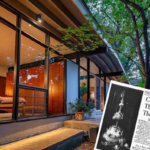
According to building, the average house size in Australia is between 232 and 252 square metres, which means many people, particularly those who live in busy urban areas, don’t have that much room to live in.
However, just because you are in a small space doesn’t mean you have to compromise on comfort or functionality.
With clever design techniques, thoughtful furniture choices, and practical space-saving strategies, even the smallest living areas can feel more open, functional, and stylish. Adding a space-saving sofa bed can provide comfortable seating and an extra sleeping area without taking up unnecessary floor space.
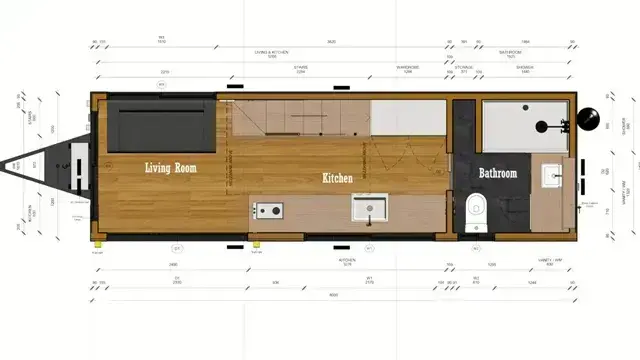
Here are some of the best ways you can make the most of every square inch of your home.
1. Declutter
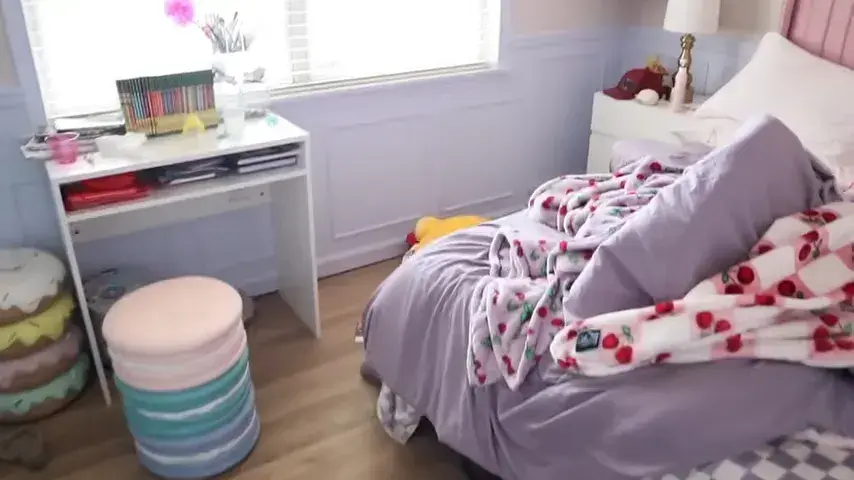
If you have recently downsized or been in your property for several years, there is a good chance that you have too many possessions to adequately fit into your spaces. Therefore, one of the first things you should do is to declutter.
It is amazing how quickly a small area can feel a bit more spacious if you take the time to get rid of excess items you no longer want or need.
One good way to do this is on a room-by-room basis, while another is to declutter by category, i.e., books, clothes, and kitchenware.
When deciding what to keep and what to get rid of, it is a good idea to split the latter into separate piles for donating to charity, selling on places like the Facebook marketplace, recycling, or taking to the dump. That way, you’ll reduce your carbon footprint by enabling others to benefit from what has become surplus to requirements for you.
2. Get Rid of the Fans and Heaters
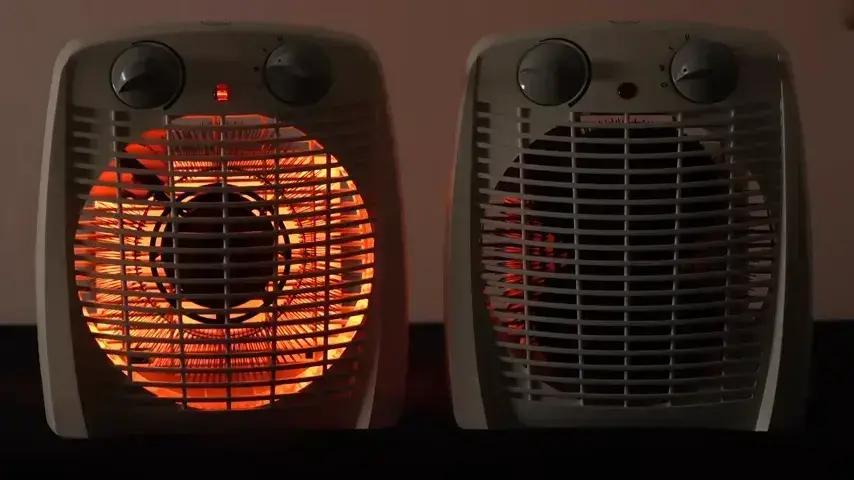
Australia is a hot country for most of the year, although the southern states of New South Wales and Victoria and the nation’s capital of Canberra do experience cold winters. For this reason, many people have fans and heaters in their homes to regulate the temperature as required.
However, both of these pieces of equipment can be bulky and take up necessary room in limited floor spaces. Subsequently, it is a good idea to have a reverse-cycle air-conditioning system installed, which can also be a lot more energy efficient.
If you already have a system that needs a tune-up, here is a handy guide to all your AC repair questions.
3. Add Mirrors and Skylights
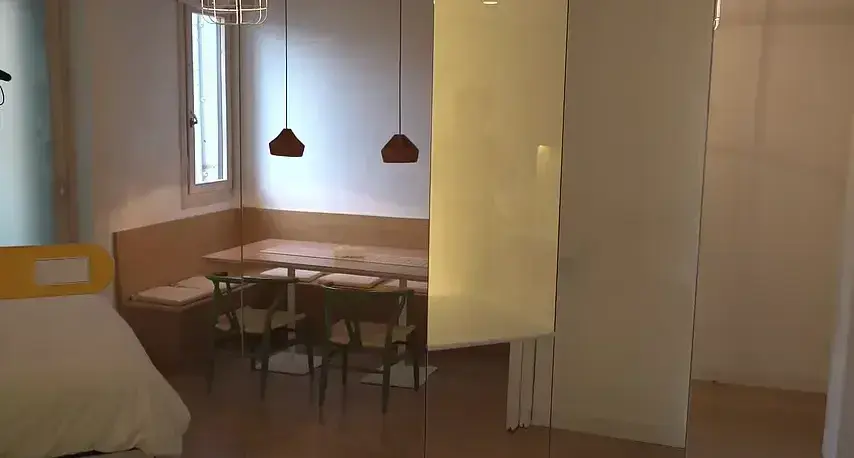
Mirrors and skylights can be a great way to create an illusion of space in any home, especially a small one.
By allowing natural light to bounce around the room, you can make it feel more open and less claustrophobic. Therefore, it is a good idea, where possible, to place a mirror across from a window.
You should also introduce floor-length mirrors, particularly in your bedroom, to add depth to your space, while skylights can introduce light from above, which can be useful in hallways or rooms with few windows.
4. Use Smart Lighting Solutions
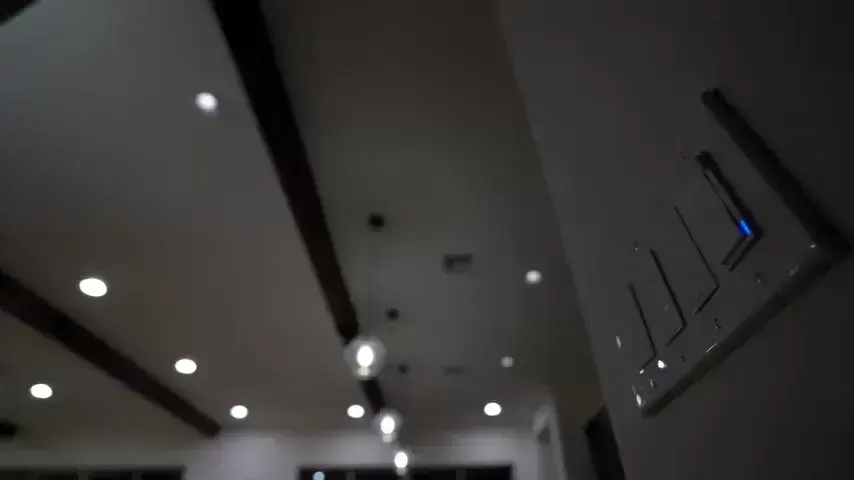
As well as introducing plenty of natural light into your home, you should also utilise smart light solutions to enhance the feel of it.
Using wall sconces, pendant lights, or under-cabinet lighting instead of bulky floor lamps will free up a bit of space in any room.
At the same time, you should also look into dimmable or adjustable lighting, as this can go a long way towards setting the mood and making the room feel larger, particularly at night.
5. Choose Multi-Functional Furniture
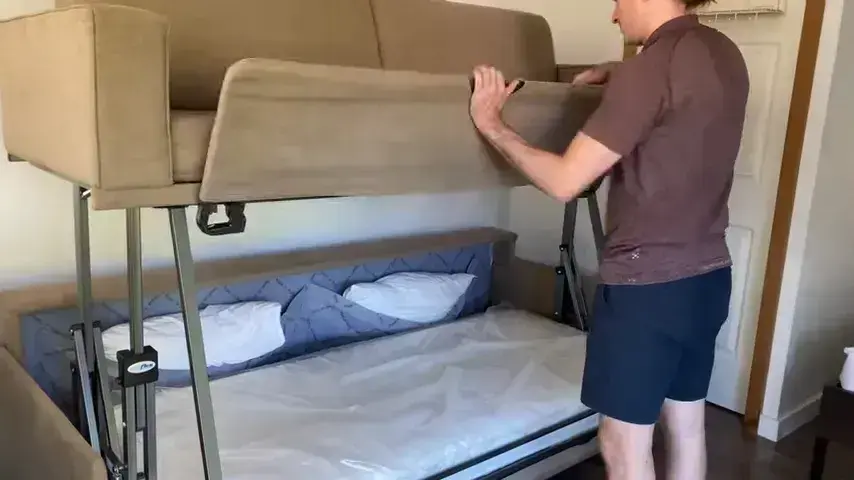
In smaller homes or apartments, multi-functional furniture can make life a lot easier because not only do they save room, but they can also serve different purposes.
For instance, a sofa bed provides another sleeping option, while storage ottomans can also be used as extra seating.
Additionally, folding or expandable furniture, such as wall-mounted tables, can provide you with an excellent option for dining or working, which can be put away to create more room when you aren’t using them.
6. Vertical Storage
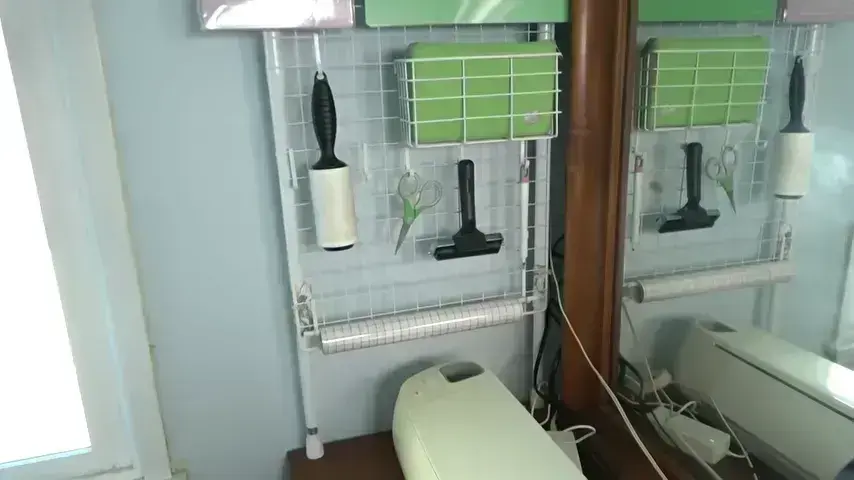
When floor space is limited, vertical storage options, such as floating shelves, hanging racks, and high cabinets, can be very useful.
As the standard ceiling height of any room (except the kitchen) in Australia is 2.4 metres, that gives you plenty of room to put shelving on your walls or tall storage cabinets. This can be particularly useful in areas like the kitchen, bedrooms or bathroom.
7. Built-In Solutions
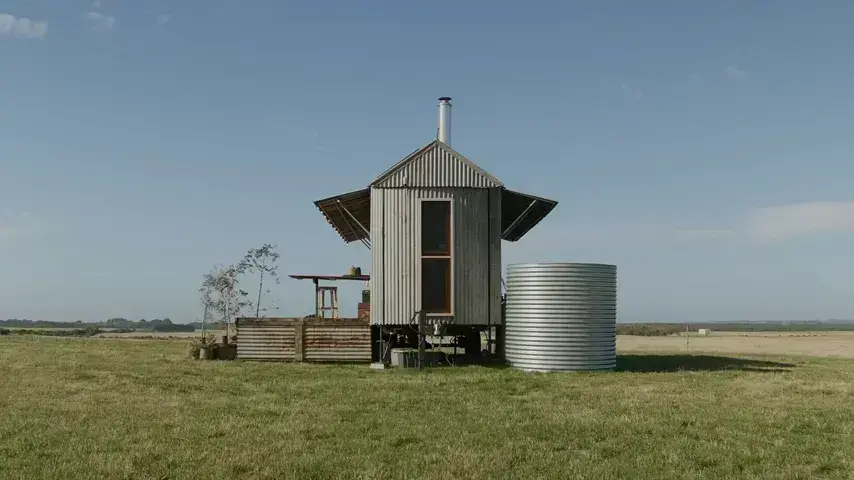
For homes or apartments that have unique layouts with unusual nooks and crannies, built-in shelves, cabinets, and desks can be a great solution. Not least because they can make what would otherwise be a dead space into something quite functional.
You might find some modular furniture kits that fit neatly into the dimensions. If not, a carpenter should be able to custom-create something for you.
The great thing about built-ins is that they can provide much-needed extra storage without impacting upon the floor space. They also can give you more space to display personal mementos like photo frames and trinkets as well.
8. Go Minimalist
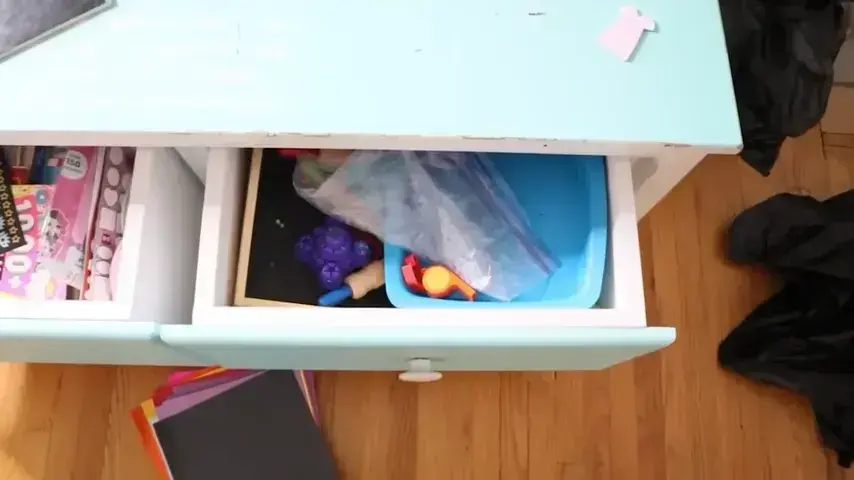
When you live in an apartment or smaller home, it is a good idea to take a minimalist approach to home decor.
Less is definitely more when it comes to furnishing your property, so instead of trying to exhibit everything you own around your floor plan, stick to a few key decorative items in each room, i.e., a single statement piece of artwork, instead of a gallery.