
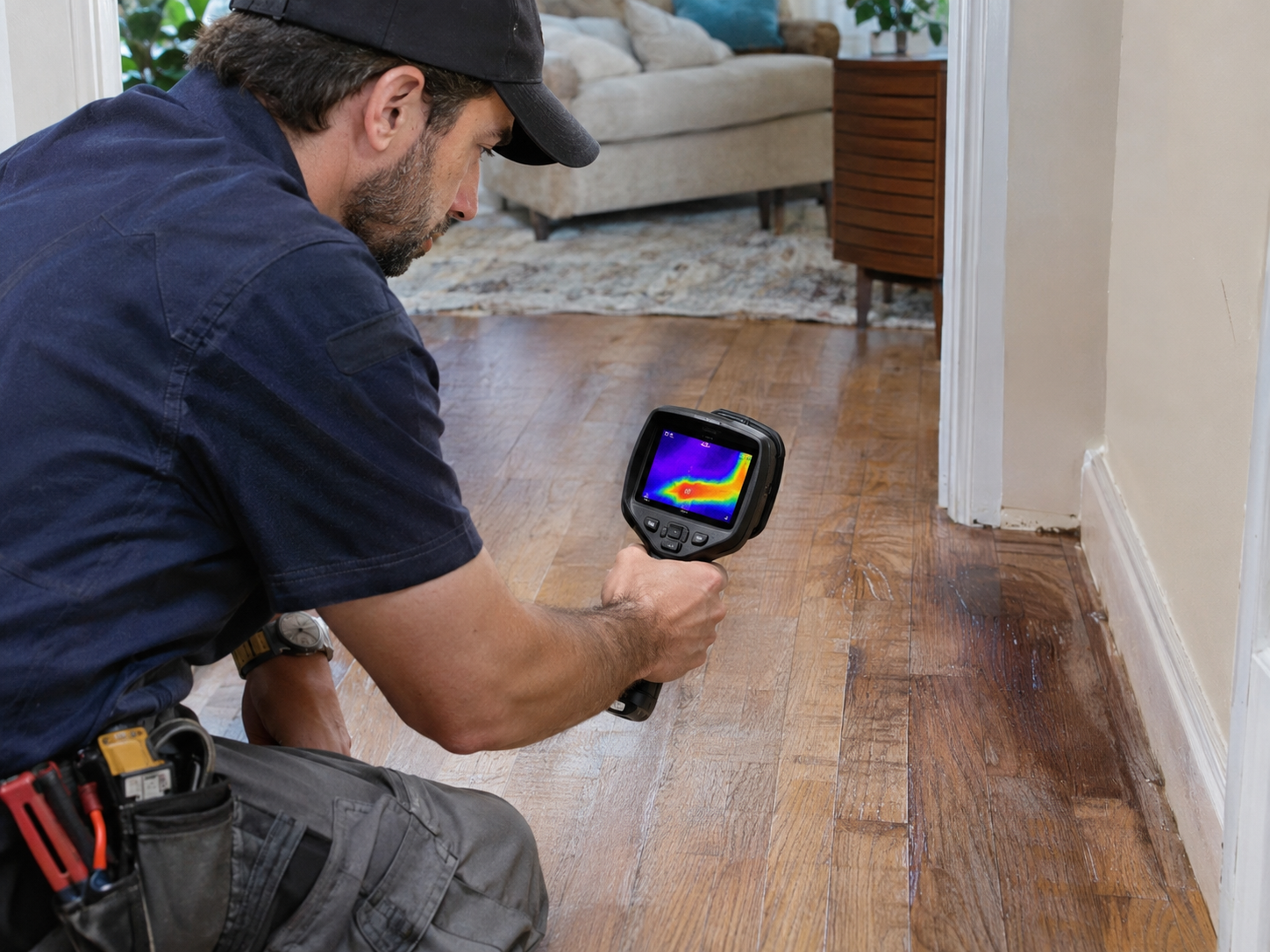
A home can look perfect and still hide a few secrets. Fresh paint covers a lot, and staging covers even more. Buyers know this, so they hire inspectors who poke around in places most owners never visit. Sellers who find problems first hold the power. Sellers who get surprised on inspection day usually hold a very long list of repair requests and a slightly twitchy eye.
Trouble Under the Floor
Water problems top the list of costly surprises. Pipes run inside walls and under concrete, so leaks can go unseen for months. A slab leak is one of the sneakiest. Warm spots on the floor, a sudden jump in the water bill, or the faint sound of running water in a quiet house all point that way. Many owners learn that repairing a slab leak means opening the floor, and that gets expensive in a hurry. Buyers hear the words “slab leak” and picture jackhammers. Fixing the problem before listing day gives a seller a much stronger story. A receipt from a licensed plumber beats a shrug every time.
What the Roof and Attic Know
Roofs age quietly. A few missing shingles or a soft spot near the chimney may not bother the owner, but an inspector will spot them in minutes. Water that sneaks through a roof soaks the insulation and feeds mold in the attic. Mold scares buyers more than almost anything else, and fair enough. Check the attic on a dry day with a flashlight. Look for dark stains, damp wood, or a musty smell. A small patch now costs far less than a full roof deal later.
Foundation and Wall Clues
Cracks in a wall do not always spell doom. Thin lines near a window often come from normal settling. Wide cracks, doors that stick, and floors that slope are different. Those signs hint at foundation movement, and buyers treat that phrase like a fire alarm. A structural engineer can tell you what is going on and how bad it really is. Often the answer is milder than the fear. Either way, knowing the truth helps you set a fair price and talk about it without sweating.
The Quiet Troubles Nobody Brags About
Old wiring hides behind plaster and rarely announces itself. Outlets that spark, lights that flicker, and a panel that hums all deserve a licensed electrician. Pests work the same way. Termites chew in silence, and a house can feed them for years before anyone notices. A pest inspection costs little and can save a deal. Drainage matters too. Water that pools near the house will find a way inside, so check that gutters run clear and the yard slopes away from the walls. Even the best kitchen cannot rescue a damp basement.
Fix First, Then List
Honesty pays in real estate. Most states require sellers to disclose known defects, and hiding one invites legal trouble. A pre-listing inspection gives you a map of every issue before buyers see it. You can fix the cheap items, price the rest fairly, and keep the negotiation calm. Buyers forgive a flaw they hear about early. They rarely forgive one they find on their own.
A home with a clean record sells faster and often sells higher. A little detective work now keeps the surprises out of the closing table and leaves more cash in your pocket.