
There’s a special kind of satisfaction in having a yard that doesn’t just look good but truly belongs. The kind of space where everything fits the climate, the soil, and the rhythm of North Texas. That often means planting natives, species that evolved for this environment long before irrigation systems and lawn services came along. They’re resilient, low-maintenance, and best of all, they actually make your property feel alive in a way cookie-cutter landscaping never does.
Why Native Plants Belong in Dallas Yards
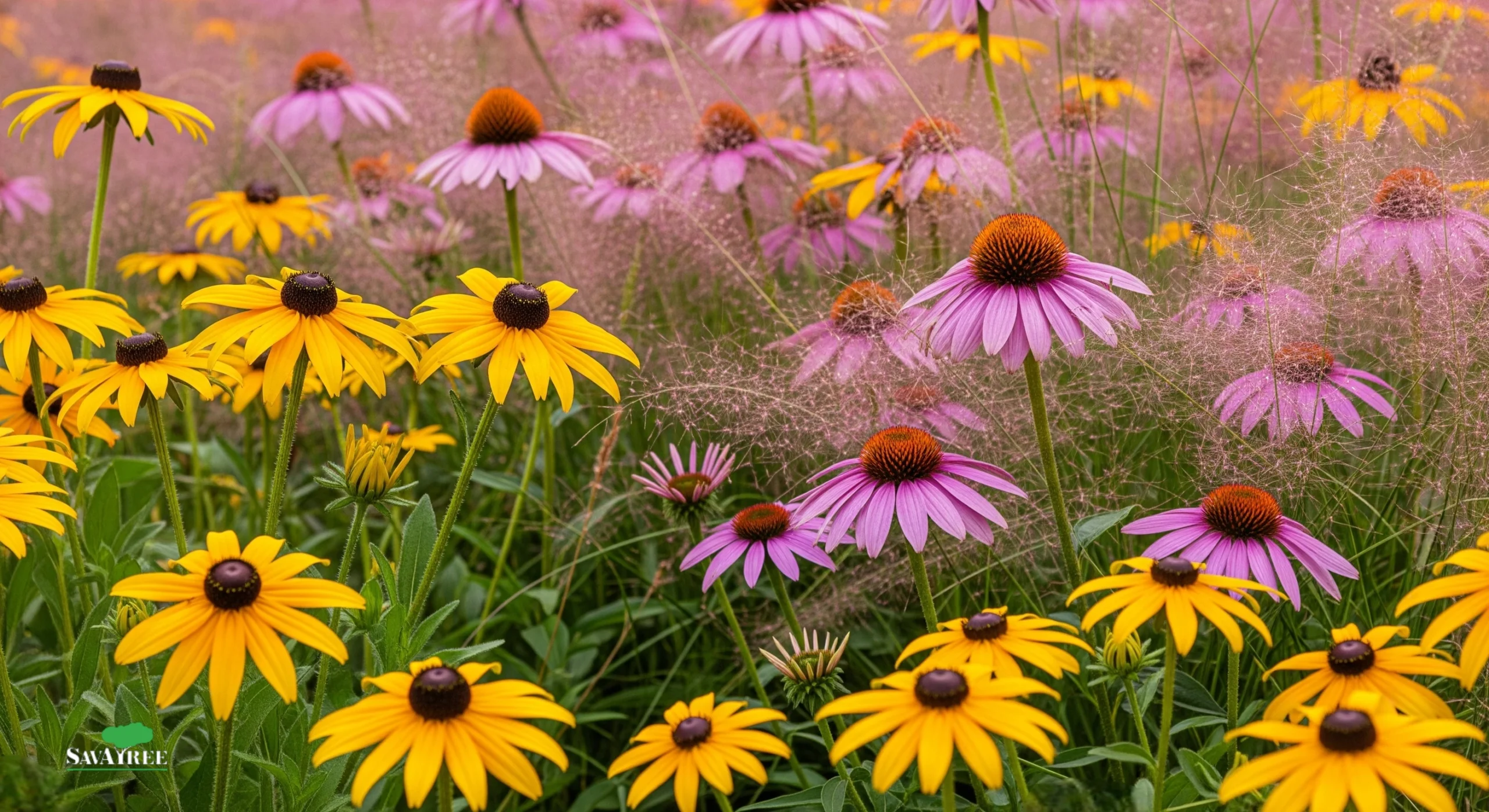
When you choose native plants, you’re not just planting for looks. You’re building a micro-ecosystem that supports pollinators, balances moisture naturally, and handles the Texas heat without complaint. Plants like black-eyed Susans, purple coneflowers, and Gulf muhly grass thrive in the clay-heavy soil most Dallas properties sit on. They don’t need constant watering or special fertilizers because they already know how to live here. That’s what makes them one of the smartest outdoor upgrades. They save you time, money, and gallons of water over the years.
The other upside is authenticity. There’s a beauty in letting your yard reflect where you actually live. Dallas has its own palette of greens, golds, and blooms, and native plantings bring those colors out naturally. A yard filled with regional plants looks settled, timeless, and perfectly at home.
Trees That Actually Thrive in Dallas
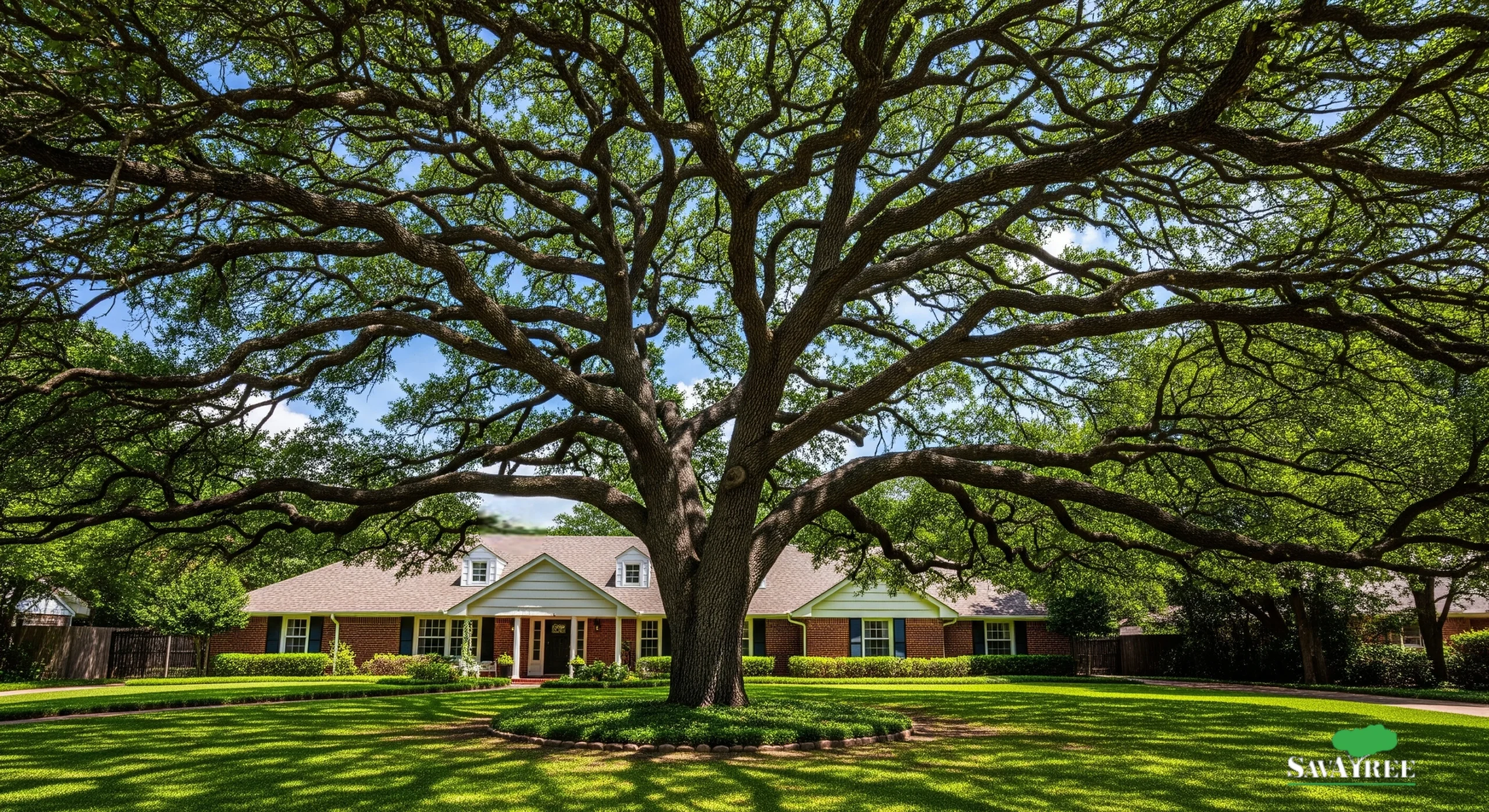
Trees are the backbone of any yard, but not every species can handle the Texas temperament. Native trees like live oak, cedar elm, and bur oak are rock-solid choices for long-term shade and stability. They’re deeply rooted, literally and can handle the unpredictable swings between heat, drought, and sudden downpours. Redbuds and Mexican plums bring bursts of color in spring, while Texas mountain laurels add that signature purple bloom and sweet scent people always stop to admire.
A well-placed native tree doesn’t just look good, though. It can cool your home naturally, reduce energy bills, and increase property value without demanding much upkeep. These species evolved to survive here, so they don’t throw tantrums when the summer sun hits triple digits. With native trees, your yard grows into something that looks more effortless each year instead of something you have to fight to maintain.
Partnering with a Local Arborist
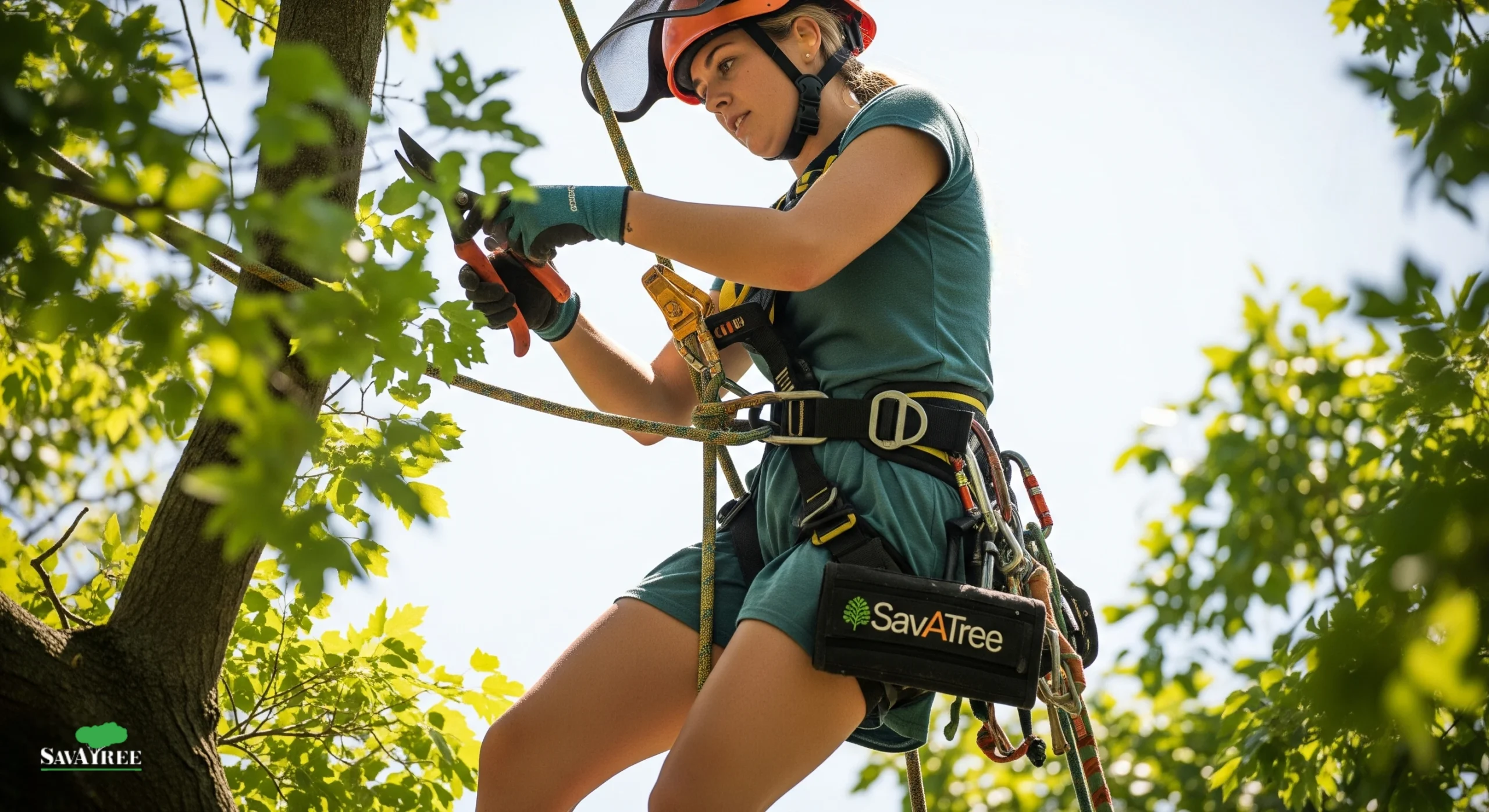
Even the most self-reliant yard sometimes needs a little expert care. That’s where calling a reputable arborist in Dallas becomes worth every penny. Arborists familiar with native species know exactly how to prune, shape, and monitor for local pests without over-treating or causing stress to the tree. They also know how to help newly planted trees establish strong roots, critical in a city where soil compaction and inconsistent rainfall can challenge even hardy species.
An arborist who understands local conditions can advise on spacing, canopy management, and long-term health in ways that a quick YouTube tutorial never could. It’s the difference between having a yard that looks decent for a few years and one that matures into a genuine landscape.
Creating a Low-Maintenance Landscape
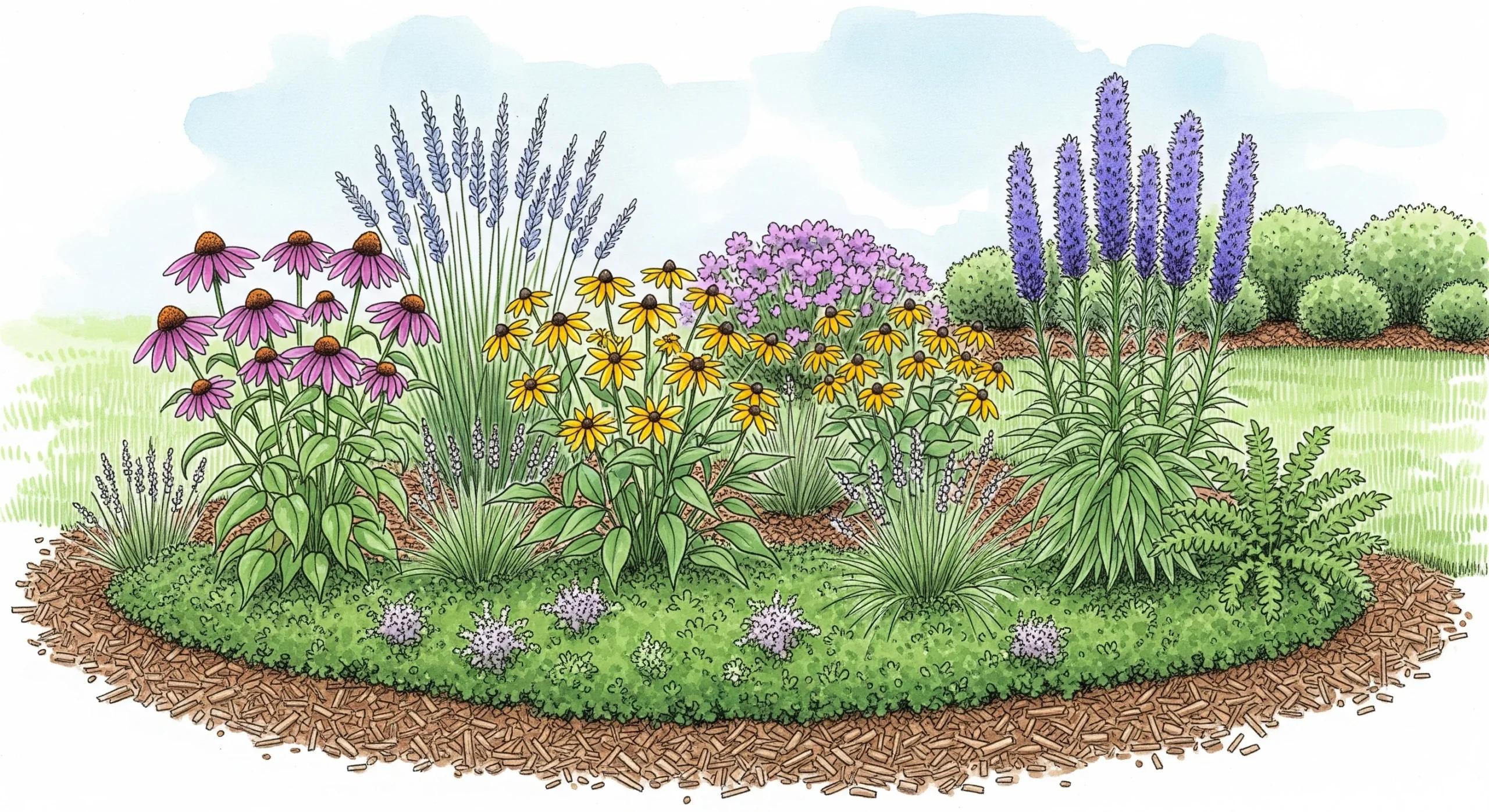
A yard full of native plants and trees practically runs itself once established. These species don’t require the endless watering cycles or chemical treatments that imported plants do. They’ve adapted to the dry spells, the heavy rains, and the sticky humidity that define the Dallas area. That means your weekends become less about dragging hoses and more about enjoying the space you built.
Mulching around native beds helps retain moisture, prevent weeds, and regulate soil temperature. Local compost can provide any nutrients the soil lacks. Over time, the yard begins to balance itself as native ground cover fills in naturally, birds return, and the lawn starts to feel more like an ecosystem than a chore list.
There’s also something quietly rewarding about a yard that doesn’t rely on shortcuts. When you use plants that belong here, everything just works better. You’re not fighting nature. You’re working with it.
The Neighborhood-Wide Benefits
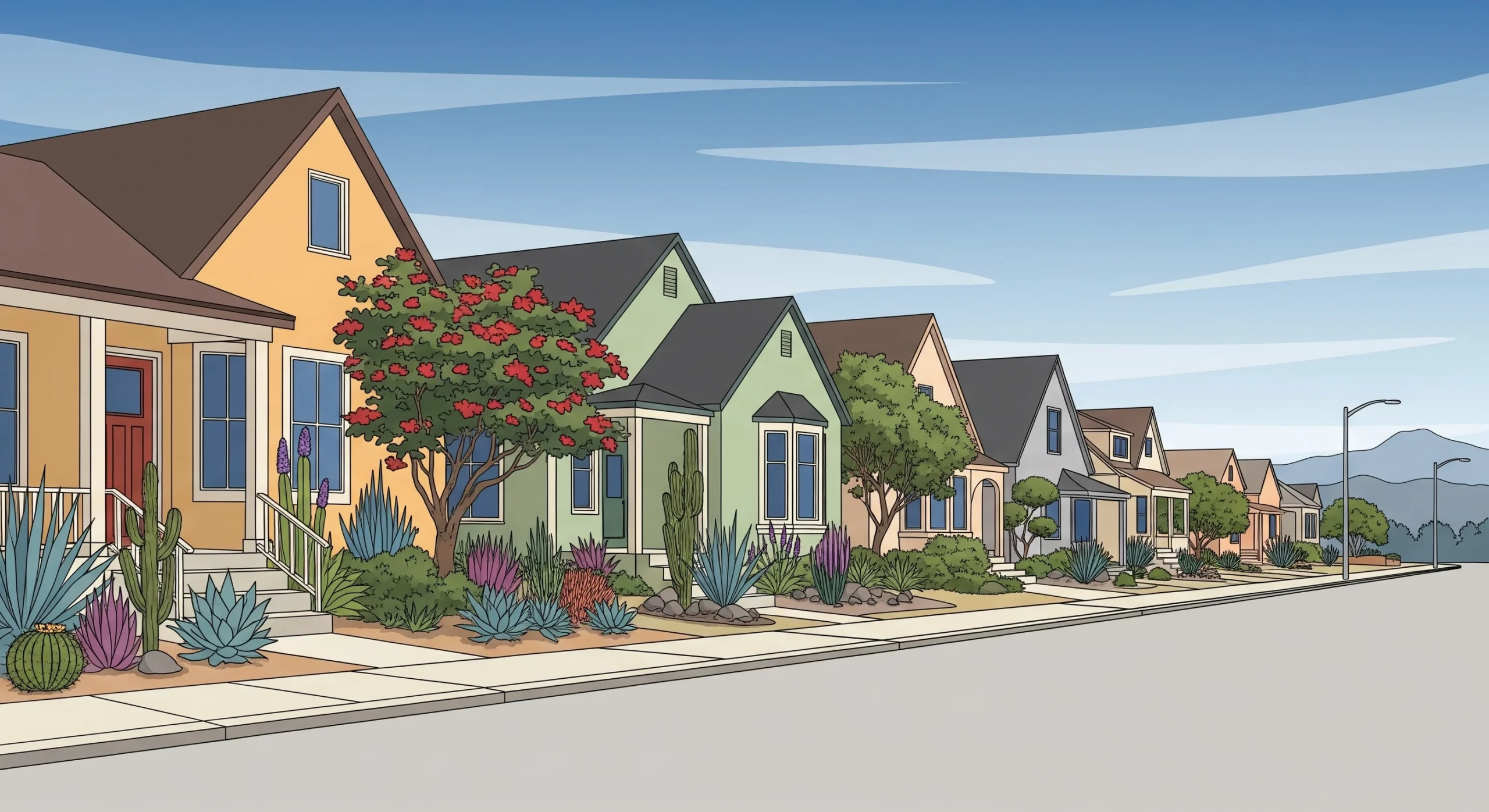
There’s a community benefit, too. Native plantings help stabilize soil, prevent erosion, and reduce water runoff that can overwhelm city drainage systems. When multiple homes in a neighborhood embrace native landscaping, the entire area becomes more resilient to heat waves and dry spells. Pollinators like bees and butterflies thrive when they can move from yard to yard without finding invasive or nonflowering plants blocking their path.
On top of that, it simply looks better. A neighborhood with healthy, mature oaks, vibrant native grasses, and seasonal wildflowers feels grounded in place. It stands out from developments that look identical from one lot to the next. Homebuyers notice that kind of character, which means native plantings can add curb appeal without raising maintenance costs.
Bringing It All Together
Native landscaping isn’t a trend. It’s a return to common sense. Designing a yard that suits its surroundings instead of working against them. With a mix of well-chosen native plants, a few resilient trees, and guidance from local professionals, a Dallas yard can be both beautiful and sustainable. The best part is how natural it all feels once it settles in.
The most beautiful yards aren’t the ones that look perfect. They’re the ones that fit their environment like a favorite pair of boots. Native plants and trees bring that sense of belonging to your Dallas property. They make your yard sturdier, more vibrant, and easier to live with year after year. Sometimes the smartest landscaping move isn’t adding more, it’s choosing what was meant to grow there all along.