
- 1. Understanding Foundation Repair Oregon
- 2. Common Signs of Foundation Damage
- 3. Major Causes of Foundation Problems
- 4. Foundation Repair Methods
- 5. The Foundation Inspection Process
- 6. How Much Does Foundation Repair Cost?
- 7. Choosing a Foundation Repair Contractor
- 8. Preventing Future Foundation Damage
- 9. Frequently Asked Questions About Foundation Repair Oregon
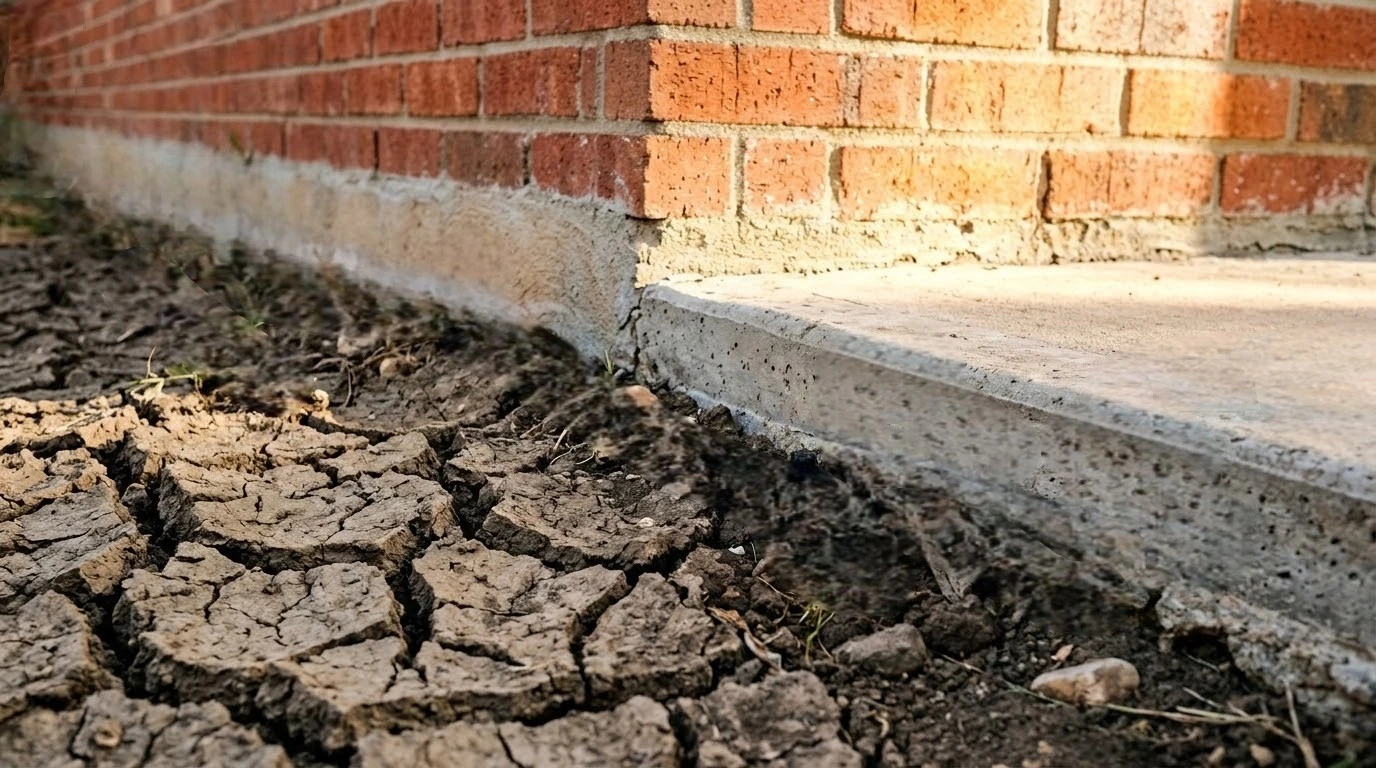
Your home’s foundation does much more than hold the building above the ground. It transfers the weight of the structure into the soil, supports walls and floors, and helps keep the entire house stable. When the foundation develops problems, those issues can eventually affect almost every part of the property.
For homeowners searching for Foundation Repair Oregon, the first step is understanding what causes foundation damage and how early warning signs can be recognized. Oregon homes face a mixture of environmental conditions, including heavy rainfall, drainage challenges, changing soil conditions, and seismic activity. Depending on the property’s location and construction, these factors can place additional stress on the foundation.
The good news is that foundation problems don’t automatically mean a home needs major reconstruction. Many issues can be addressed when they’re identified early. A professional inspection can determine whether a crack is cosmetic, related to moisture, or evidence of a more serious structural concern.
Oregon also has statewide construction requirements that address foundation design and structural safety. The state’s Building Codes Division provides current adopted codes and design criteria for residential construction.
Whether you’re dealing with a cracked basement wall, uneven flooring, a damp crawl space, or movement around your home’s foundation, understanding the problem is the first step toward finding the right solution.
1. Understanding Foundation Repair Oregon
Foundation repair is the process of identifying and correcting problems that affect the stability, performance, or durability of a building’s foundation.
The correct repair depends heavily on the cause of the problem. A small crack caused by normal concrete shrinkage doesn’t require the same solution as a foundation wall that is bowing because of soil pressure.
That’s why professional foundation repair begins with diagnosis rather than immediately recommending a repair product.
A typical foundation repair project may involve:
- Foundation inspection
- Crack assessment
- Drainage evaluation
- Soil assessment
- Structural analysis
- Waterproofing
- Crack injection
- Pier installation
- Foundation underpinning
- Crawl space stabilization
- Concrete repair
- Seismic reinforcement
The goal isn’t simply to cover up visible damage. A quality repair addresses the underlying reason the foundation is moving, cracking, settling, or allowing water to enter.
1.1 Why Oregon Homes Develop Foundation Problems
Different parts of Oregon have different environmental and geological conditions. A property in a rainy coastal area may experience moisture-related problems, while a home in another region may have greater concerns involving soil movement or seismic forces.
Older homes can also have different foundation construction than newer properties.
Oregon adopted its first statewide building code in 1974, which means homes constructed before that period may have been built under different local requirements. The state also notes that older homes can be more vulnerable to earthquake damage and may benefit from seismic retrofitting.
This doesn’t mean every older home has a foundation problem. It simply means age and construction history should be considered during an inspection.
1.2 Oregon Soil and Weather Conditions
Soil plays a major role in foundation performance.
Your foundation transfers the weight of your house into the ground. If the soil beneath or around the foundation changes significantly, the structure can experience movement.
Common contributing conditions include:
- Poorly compacted fill
- Soil erosion
- Excess moisture
- Drainage problems
- Soil settlement
- Freeze-thaw conditions in some areas
- Changes in groundwater
- Poor grading around the house
Water deserves particular attention. When rainwater isn’t directed away from the property, it can collect near foundation walls and increase hydrostatic pressure.
Over time, this can contribute to cracks, seepage, wall movement, and other problems.
1.3 How Foundation Problems Affect Your Home
Foundation movement rarely stays isolated.
A foundation problem may eventually create secondary symptoms elsewhere in the building.
For example, movement can contribute to:
- Drywall cracking
- Misaligned doors
- Sticking windows
- Uneven floors
- Gaps around trim
- Cracked tile
- Basement water intrusion
- Plumbing stress
- Exterior masonry cracks
Not every crack indicates structural failure, of course. That’s why context matters.
The size, direction, location, age, and progression of a crack can provide useful information during a foundation inspection.
2. Common Signs of Foundation Damage
Foundation damage isn’t always dramatic. In many cases, homeowners first notice small changes inside or outside the house.
Learning these warning signs can help you determine when it’s time to call a professional.
2.1 Wall and Floor Cracks
Cracks are among the most common signs homeowners notice.
Look for:
- Horizontal foundation wall cracks
- Large vertical cracks
- Stair-step cracks in masonry
- Cracks that continue growing
- Cracks around doors and windows
- Cracks through floors
- Multiple cracks appearing in different areas
Hairline cracks in concrete can sometimes result from normal curing and shrinkage. However, larger or changing cracks deserve closer attention.
A useful rule of thumb is simple: if a crack is new, growing, widening, or accompanied by other symptoms, don’t ignore it.
2.2 Uneven Floors
A floor that feels noticeably sloped or uneven may indicate movement below the structure.
You might notice:
- Furniture rocking
- Balls rolling across rooms
- Gaps beneath flooring
- Sloping hallways
- Uneven basement floors
Uneven floors can have many causes, including framing issues, moisture damage, or foundation settlement. An inspection is needed to determine the actual cause.
2.3 Doors and Windows Sticking
A door that suddenly becomes difficult to close may seem like a small inconvenience.
But when multiple doors or windows begin sticking at the same time, it’s worth investigating.
Foundation movement can change the geometry of a structure. As walls shift, openings can become slightly distorted.
Watch for:
- Doors that won’t latch
- Windows that suddenly stick
- Gaps around frames
- Doors that swing open or closed by themselves
These signs aren’t proof of foundation damage, but they can be useful clues.
2.4 Water and Moisture Problems
Water is one of the biggest enemies of foundations.
Warning signs include:
- Damp basement walls
- Standing water
- Musty smells
- Efflorescence
- Mold-like growth
- Peeling paint
- Water stains
- Persistent crawl space moisture
Water entering through a foundation crack can indicate that the crack needs to be sealed and that the surrounding drainage system should also be evaluated.
3. Major Causes of Foundation Problems
Before selecting a repair method, it’s important to understand what caused the damage.
A repair that doesn’t address the underlying cause may only provide a temporary solution.
3.1 Expansive or Weak Soil
Soil isn’t a solid, unchanging platform.
Certain soils expand when they absorb water and shrink when they dry. Other soils may compress under the weight of a building.
This movement can create uneven support beneath a foundation.
Settlement may occur when:
- Soil wasn’t properly compacted
- Fill material compresses
- Water washes soil away
- Ground conditions change
- A structure was built on unstable soil
When one portion of the foundation settles more than another, differential settlement can occur.
3.2 Drainage and Water
Poor drainage is a common contributor to foundation trouble.
Rainwater should generally be directed away from the home’s foundation rather than allowed to collect beside it.
Potential drainage problems include:
- Short or damaged downspouts
- Poor yard grading
- Clogged gutters
- Broken drainage pipes
- Improper surface runoff
- Poor foundation drainage
Sometimes a relatively simple drainage correction can reduce ongoing stress on a foundation.
3.3 Poor Construction
Construction quality matters.
Foundation performance can be affected by:
- Improper footing design
- Insufficient reinforcement
- Poor concrete installation
- Incorrect drainage
- Improper soil preparation
- Inadequate connection between structural components
Current Oregon residential requirements address foundation construction, drainage, soil conditions, and structural loads.
3.4 Earthquakes and Seismic Activity
Earthquake resistance is an important consideration for Oregon homeowners.
The Oregon Department of Emergency Management recommends earthquake preparedness and mitigation measures, including seismic retrofitting for homes.
During an earthquake, a house can potentially slide, rack, or separate from its foundation. Older homes may be particularly vulnerable.
Common retrofit strategies can include:
- Bolting the house to the foundation
- Reinforcing cripple walls
- Strengthening foundation connections
- Improving structural bracing
A foundation contractor or structural professional can help determine whether seismic improvements make sense for a specific property.
4. Foundation Repair Methods
There isn’t one universal foundation repair method.
The correct approach depends on the foundation type, damage pattern, soil conditions, water exposure, and structural requirements.
4.1 Foundation Crack Repair
Not every crack needs the same treatment.
Small non-structural cracks may sometimes be sealed with appropriate repair materials. Water-intrusion cracks may require specialized waterproofing or injection systems.
For more serious cracks, the contractor should first determine why the crack developed.
Simply filling a crack without addressing ongoing movement can result in recurring damage.
4.2 Slab and Concrete Repair
Concrete slabs can crack or settle for several reasons.
Depending on the situation, repair options may include:
- Crack sealing
- Concrete lifting
- Slab stabilization
- Replacement of damaged sections
- Soil stabilization
The appropriate method depends on whether the problem is cosmetic, moisture-related, or caused by settlement.
4.3 Pier and Beam Repair
Older homes and some properties are built using pier-and-beam foundations.
These systems may experience:
- Wood deterioration
- Settlement
- Poor support
- Moisture damage
- Beam movement
- Crawl space problems
Repairs can involve replacing damaged wood, strengthening beams, correcting support conditions, or installing additional structural supports.
4.4 Crawl Space Repair
A crawl space is an important part of many Oregon homes.
A damaged or excessively damp crawl space can affect both structural components and indoor comfort.
Potential solutions include:
- Moisture barriers
- Drainage improvements
- Structural reinforcement
- Damaged wood replacement
- Ventilation improvements
- Encapsulation
- Pest-related repairs where necessary
The best approach depends on the source of the moisture and the condition of the structure.
4.5 Foundation Underpinning
Underpinning is generally used when a foundation requires additional structural support.
Depending on site conditions, a contractor may use specialized piers or other engineered systems to transfer structural loads deeper into stable soil.
This type of repair should be designed according to the actual structural and soil conditions of the property.
It isn’t a one-size-fits-all process.
5. The Foundation Inspection Process
A proper inspection is one of the most important steps in Foundation Repair Oregon projects.
The purpose isn’t just to find cracks. It’s to understand why they’re there.
5.1 Initial Assessment
A contractor may begin by examining:
- Exterior walls
- Foundation walls
- Floors
- Crawl spaces
- Basement areas
- Drainage
- Gutters and downspouts
- Landscaping
- Visible cracks
Photos and measurements may also be taken to document the condition.
5.2 Structural Evaluation
If the inspection suggests significant movement, additional evaluation may be needed.
Depending on the project, this could involve structural or geotechnical professionals.
Oregon’s Design Criteria Hub provides site-specific information such as seismic design category, frost depth, and other construction criteria.
This information can be useful when evaluating site-specific construction considerations.
5.3 Repair Recommendations
Once the cause is understood, the contractor should explain:
- What is happening
- Why it is happening
- How serious it is
- Which repair options are available
- What each repair is intended to accomplish
- Whether drainage improvements are needed
- Whether permits or engineering may be required
- What maintenance may be necessary afterward
A clear explanation makes it easier for homeowners to compare solutions.
6. How Much Does Foundation Repair Cost?
The cost of foundation repair can vary substantially from one property to another.
There isn’t a single reliable price because several variables influence the final cost.
These include:
| Cost Factor | Why It Matters |
| Foundation type | Different systems require different repair techniques |
| Damage severity | Major movement generally requires more work |
| Repair method | Simple sealing differs from structural underpinning |
| Soil conditions | Difficult soil can increase project complexity |
| Accessibility | Tight crawl spaces can make repairs harder |
| Water problems | Drainage or waterproofing may add work |
| Property size | Larger structures may require more materials |
| Engineering | Some structural problems require professional design |
| Permits | Local requirements may affect project scope |
Homeowners should be cautious about choosing a contractor based only on the lowest quote.
A cheap repair that doesn’t address the cause can become expensive later.
Instead, compare the scope of work, materials, warranties, diagnosis, and proposed solution.
7. Choosing a Foundation Repair Contractor
Selecting the right contractor is just as important as selecting the repair method.
When comparing foundation repair companies, consider the following:
Experience
Look for a contractor with experience handling foundation problems similar to yours.
Licensing and Compliance
Ask whether the company meets applicable Oregon requirements and whether permits are necessary for your project.
Oregon’s Building Codes Division provides information about statewide construction codes, permits, inspections, and building requirements.
Written Proposal
A professional proposal should clearly explain the recommended repair.
Warranty
Ask what the warranty covers, how long it lasts, and whether there are exclusions.
References
Reviews and references can provide insight into the company’s workmanship and communication.
Diagnosis First
Be cautious if someone recommends an expensive repair before properly inspecting the foundation.
The contractor should be able to explain the connection between the observed symptoms and the proposed repair.
For additional information about Oregon’s current building requirements, homeowners can review the state’s Building Codes Division resources.
8. Preventing Future Foundation Damage
Foundation maintenance doesn’t end after a repair.
A few practical steps can help reduce future problems.
Keep Gutters Clean
Blocked gutters can cause water to overflow beside foundation walls.
Clean them regularly, especially before and during Oregon’s wet seasons.
Extend Downspouts
Downspouts should discharge water away from the foundation where site conditions allow.
Monitor Cracks
Take photographs of suspicious cracks and record their approximate size and location.
This makes it easier to identify changes over time.
Maintain Proper Grading
Ground around the home should generally direct water away from the structure.
Control Excess Moisture
Address persistent basement or crawl space moisture quickly.
Inspect After Major Weather Events
Heavy rainfall, flooding, or seismic activity can expose foundation weaknesses.
Don’t Ignore Small Changes
A sticking door may be harmless. But several new symptoms appearing together deserve attention.
Early investigation can prevent a small issue from becoming a major repair.
9. Frequently Asked Questions About Foundation Repair Oregon
9.1 What is the most common sign of foundation damage?
Common warning signs include cracks, uneven floors, sticking doors and windows, gaps around frames, and water intrusion. One symptom alone doesn’t necessarily prove structural damage, so the entire pattern should be evaluated.
9.2 Are foundation cracks always serious?
No. Some concrete cracks are caused by normal shrinkage or minor movement. However, cracks that grow, widen, appear horizontally, or occur alongside other structural symptoms should be inspected.
9.3 Can heavy rain damage a foundation?
Yes. Persistent water around a foundation can increase soil moisture and hydrostatic pressure. Poor drainage may contribute to seepage, erosion, settlement, and other foundation problems.
9.4 How do I know if my foundation is settling?
Possible signs include sloping floors, cracks in walls or ceilings, sticking doors, gaps around windows, and visible foundation cracks. Professional measurements can help determine whether movement is occurring.
9.5 Can foundation problems be repaired without replacing the foundation?
Often, yes. Depending on the cause and severity, repairs may include crack sealing, drainage improvements, pier systems, underpinning, concrete stabilization, or crawl space reinforcement.
Complete foundation replacement is not automatically necessary.
9.6 Does Oregon’s earthquake risk affect foundations?
It can. Earthquake forces may cause a house to move relative to its foundation or place stress on structural connections. Oregon provides earthquake preparedness and retrofit resources for homeowners.
9.7 Should I repair foundation cracks before selling my house?
It’s usually wise to investigate significant cracks before listing a property.
Knowing the cause and condition of the foundation allows you to make informed decisions and provide buyers with appropriate documentation.
9.8 How often should a foundation be inspected?
There isn’t one inspection schedule that works for every property. However, homeowners should inspect visible areas periodically and consider professional evaluation when new cracks, water problems, settlement, or structural changes appear.
9.9 Can drainage improvements solve foundation problems?
Sometimes. If water accumulation is contributing to the problem, correcting gutters, downspouts, grading, or drainage can reduce ongoing moisture exposure. However, drainage alone won’t correct every structural foundation issue.
Conclusion
A strong foundation is one of the most important parts of a safe and comfortable home. While cracks, settlement, moisture, and uneven floors can be concerning, early investigation can make the situation much easier to manage.
For homeowners researching Foundation Repair Oregon, the smartest approach is to focus on the cause rather than simply treating the visible symptom. Soil movement, water, drainage, construction conditions, age, and seismic forces can all play a role.
Start by documenting visible changes. Check your gutters and drainage. Look for patterns in cracks and movement. Then have significant or progressing problems professionally evaluated.
Most importantly, don’t panic over a single small crack—but don’t ignore a growing pattern of warning signs either.
With accurate diagnosis, an appropriate repair strategy, and ongoing maintenance, homeowners can protect their property’s structural integrity and enjoy greater confidence in the years ahead.