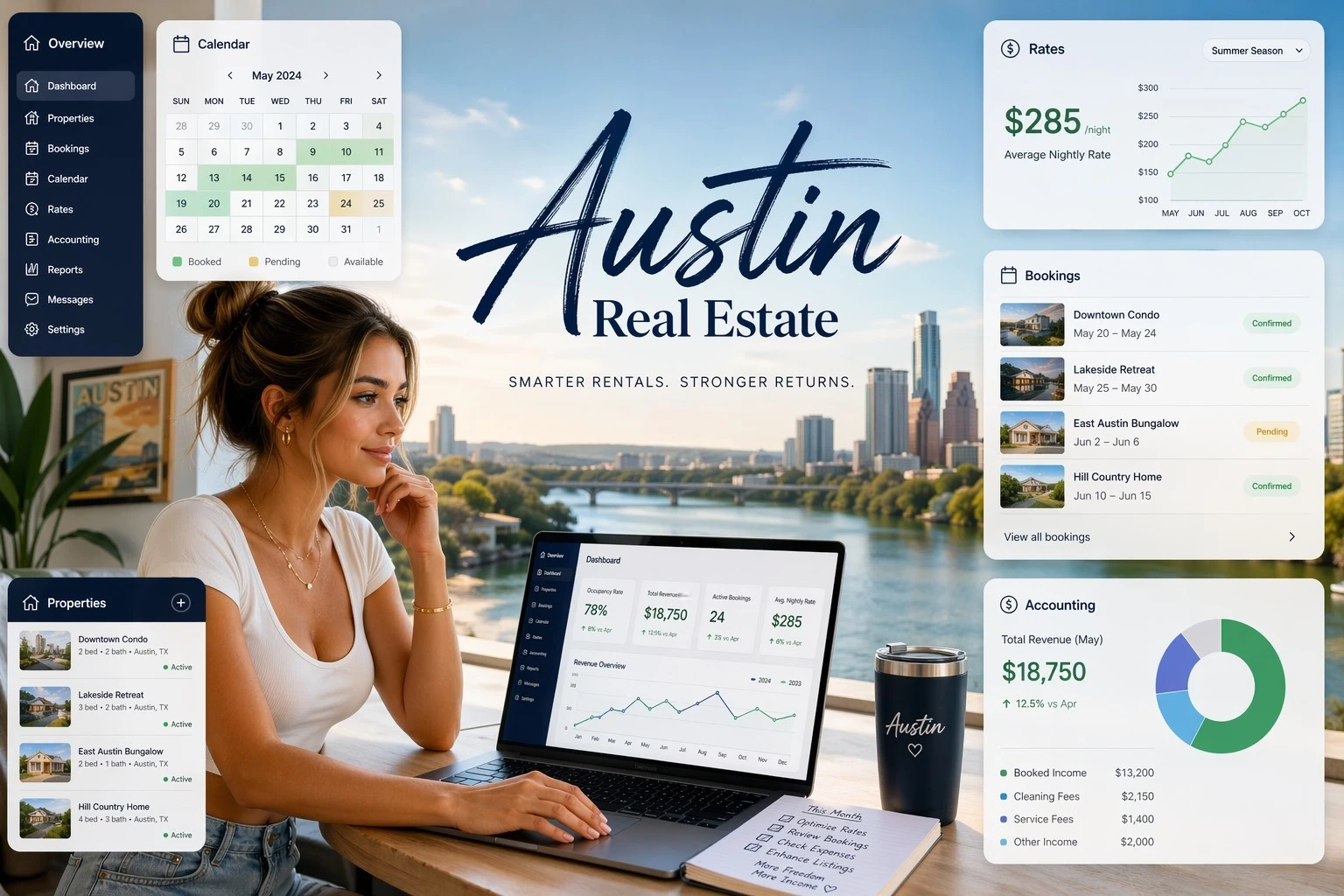
Norway, Sweden, and Denmark make up one of the world’s most digitally advanced consumer markets. A generic proxy won’t cut it if your job is to track Danish search results, monitor local competitors, tracking property listings, rental markets, and local agency visibility across the Nordic region.
When you use a Denmark proxy, you get an IP address located right in the country. This allows investors and agencies to view property listings and pricing exactly as Danish buyers and renters see them.

This guide explains why that matters and where Denmark proxies make the biggest difference.
How Denmark Proxy Servers Work
Denmark proxy servers use an IP address registered in Denmark to route your connection. Any website, platform, or search engine you visit will treat your traffic as local, showing you content, results, and pricing based on a Danish location.
Denmark-specific proxies are valuable for more than just their location. The infrastructure behind them matters too. Major ISPs like TDC, Telenor, and Telia Denmark supply the IP pools that reputable proxy providers use, and Denmark boasts some of the highest residential internet connection rates in Europe.
This means these IPs aren’t datacenter addresses that platforms can flag right away. They are real residential IPs assigned by ISPs, so they blend right in with normal everyday traffic.
Inside Denmark’s Digital Economy
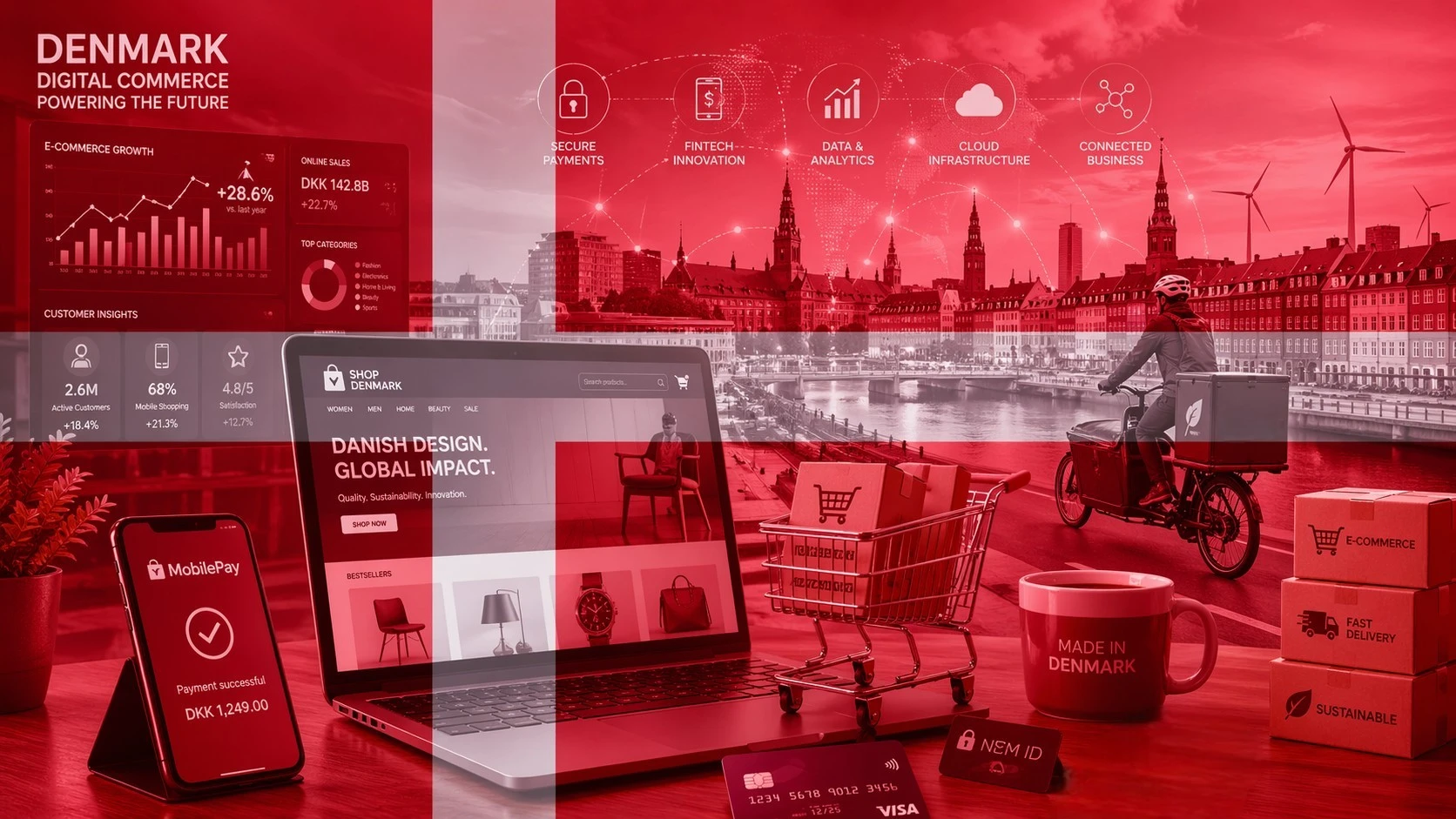
Denmark’s economy is one of the most advanced in Europe. Online shopping is a part of everyday life, broadband access is almost universal, and the nation often ranks near the top of the EU’s Digital Economy and Society Index. That makes it a competitive online market where local insight matters.
Denmark’s real estate market is highly digital, with most property searches, listings, and agency interactions taking place online. Local buyers and renters rely on region-specific portals, agency websites, and search engines to explore housing, rentals, and investment opportunities.
Most Danish customers use MobilePay, the most popular payment method for both online and in-store purchases. It takes more than just general market data to understand how Danish real estate context and what they see when they search. You need a local IP address that matches the real digital environment they use every day.
Using Denmark Proxies for Market Research
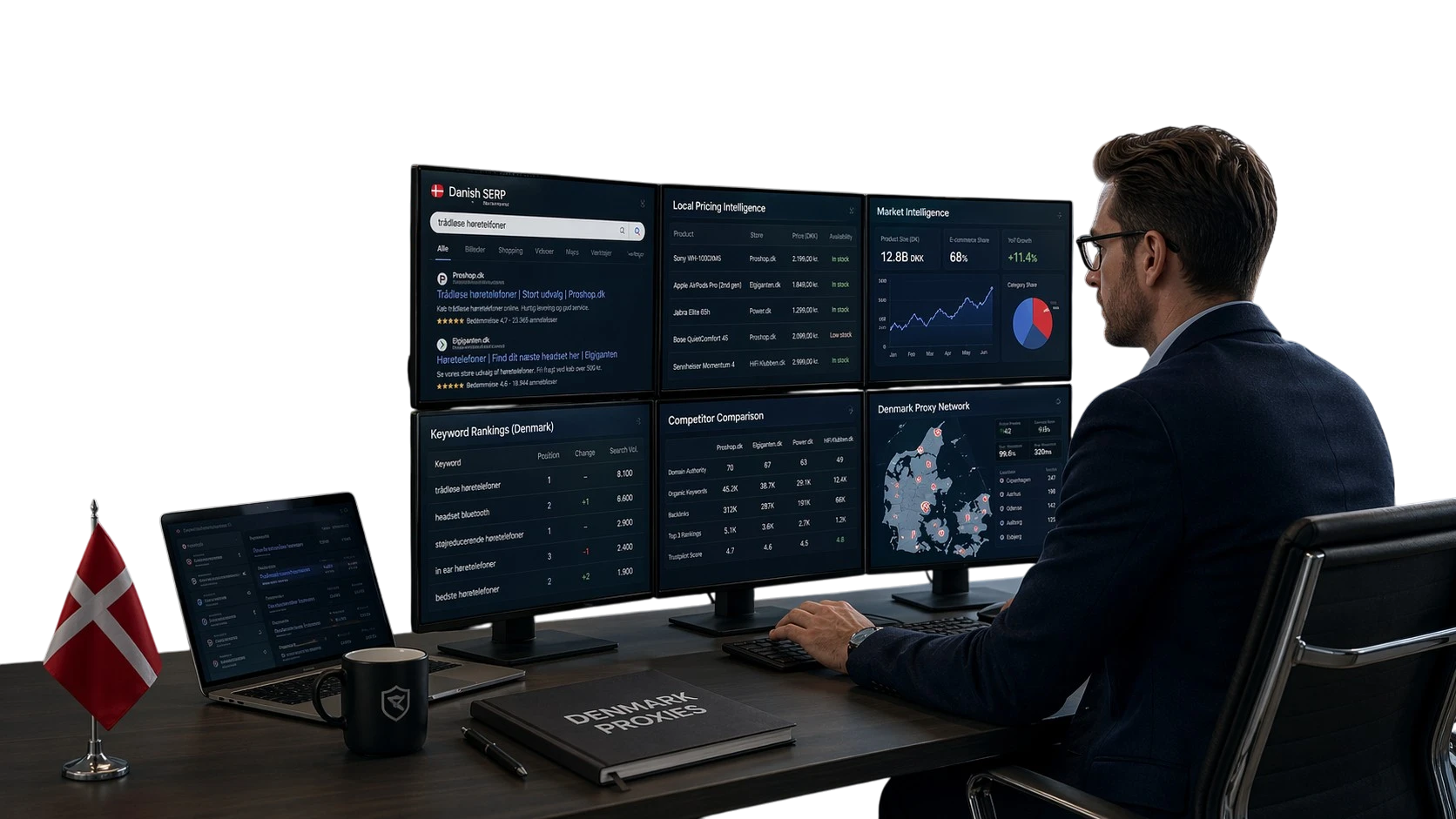
In Denmark, market monitoring works best when your data reflects real local conditions and not just estimates from outside the country. A reliable Denmark proxy helps you collect data that is accurate and useful.
Tracking Competitors
The Danish real estate moves fast. Property listings, rental prices, and developer offerings frequently change across local platforms and agency websites. With a Danish IP, you can keep an eye on rivals the way a local user would, tracking their offers and how they show up to your target audience.
Checking Local Prices
Depending on the buyer’s location, many property platforms display different asking prices, rental rates, or availability based on user location. By using a Denmark proxy to route your requests, you can be sure you are collecting the exact prices Danish customers see instead of a generic version that ignores the local market.
Monitoring Local Search Results
Denmark’s search results show local competitors and local intent. To monitor how property listings, real estate agencies, and developments show up in Danish search results, a local IP is the only way to get accurate data like local pack results and geo-specific features that are not visible from international connections.
Viewing Regional Content
Certain platforms and publishers serve region-specific content to Danish users. You can access that content directly through a local proxy for competitive analysis, brand tracking, and media monitoring. including local property portals, regional listings, and city-specific housing content.
Tracking SERPs and SEO in Denmark
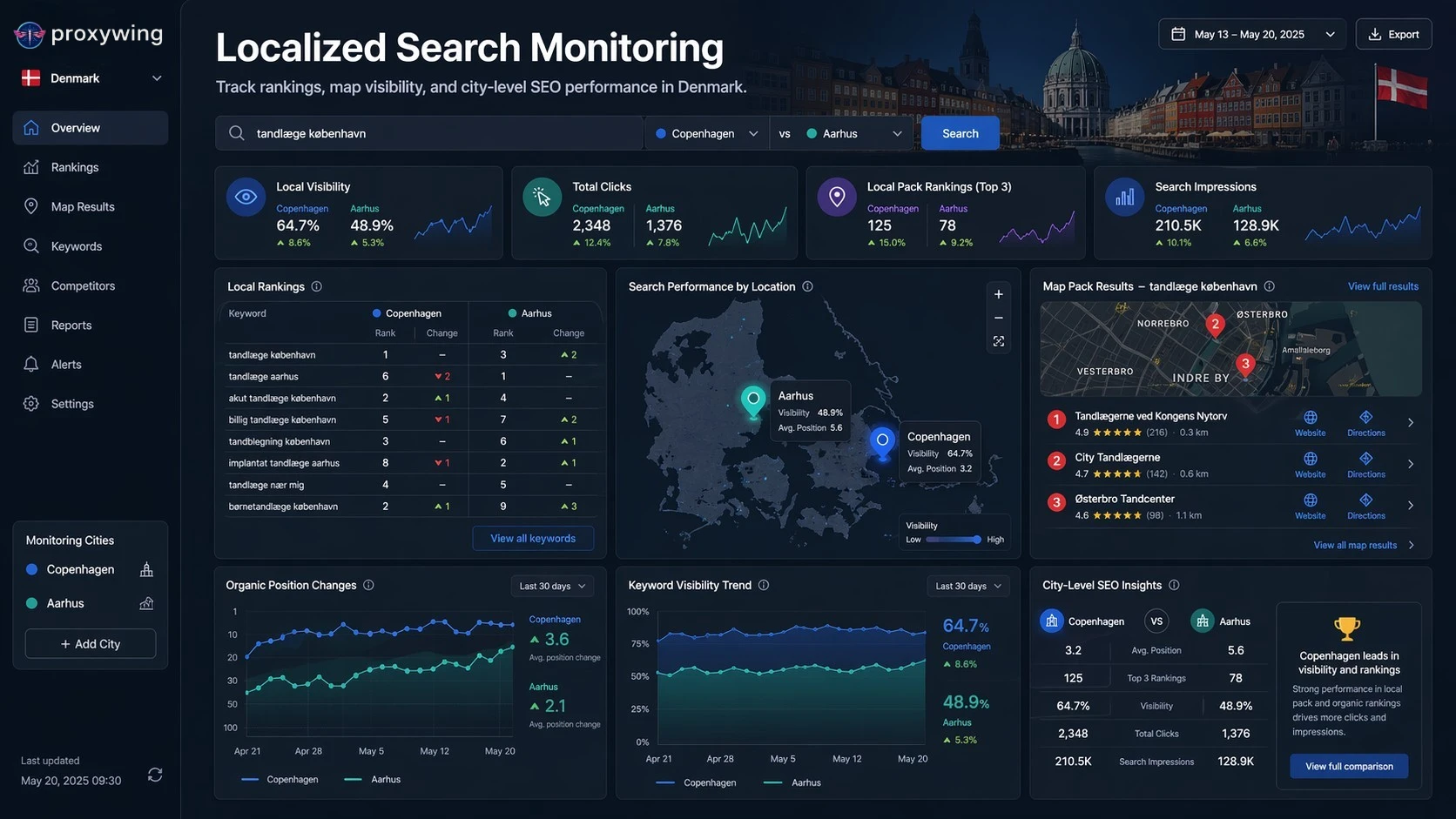
Google is still the main search engine in Denmark, but the results it displays to Danish users differ from what appears on an international IP address. International tracking data is unreliable for local SEO work because local pack results, featured snippets, and organic rankings can all change based on location.
You can get highly accurate, location-specific SERP data with a Danish IP. You can see which companies show up in the map pack, how Google displays results for location-based searches in the Danish real estate market, and how rivals rank locally.
Tracking at the city level is also valuable. Checking Copenhagen and Aarhus independently reveals differences that country-level data completely ignores because of their different competitive environments.
The Main Benefits of a Danish IP Address
In one of Europe’s most developed digital markets, using a Danish IP gives you a true local presence. Here is what that looks like in practice.
- You see what real Danish users see in search results, advertisements, property listings, and platform content.
- Access platforms and geo-restricted content that require a Danish IP.
- Blend in with local ISP residential IPs that are more difficult to identify and block.
- Separate data for Copenhagen, Aarhus, or other major markets using city-level targeting.
- Enjoy low-latency connections across the Nordic region.
- Get reliable performance from one of Europe’s strongest internet networks.
- Easily integrate your proxies with research workflows, property market research tools, listing trackers, and competitive analysis workflows.
- Keep large-scale data collection stable using rotating IP pools to avoid hitting rate limits too quickly.
How to Choose a Denmark Proxy Provider
Not every provider that claims Danish coverage delivers quality local IPs. Here is what matters most when you are choosing one.
IP Pool Quality
Look for genuine residential IPs from real Danish ISPs instead of a datacenter-heavy pool made to look residential. Pool quality directly affects how often you get flagged or blocked.
Geo-Targeting Precision
Country-level targeting isn’t always enough. City-level support lets you isolate data for Copenhagen, Aarhus, or other markets, making a real difference for local SEO and competitive research.
Reliability
Unstable connections break workflows. Pick a provider with a strong uptime record and responsive support, especially if you run ongoing or large-scale projects.
Pricing Transparency
Make sure the pricing model fits your needs. Pay-as-you-go works better for irregular usage, while subscriptions suit consistent workloads. Hidden costs add up fast.
The Bottom Line
Despite being a small market, Denmark is very competitive. With its advanced infrastructure, near-universal broadband access, and active e-commerce landscape, accurate local data is crucial for anyone working in or monitoring the Nordic region.
Whether you are tracking search rankings, keeping an eye on competitors, or doing geo-targeted research in the Nordic region, Denmark proxies provide the true local presence you need to gather that data reliably. Once the proxy is set up correctly, the rest of your workflow gets a lot easier.
This allows you to accurately monitor property listings, compare rental trends, and analyze how agencies and developments are presented to local Danish audiences.