
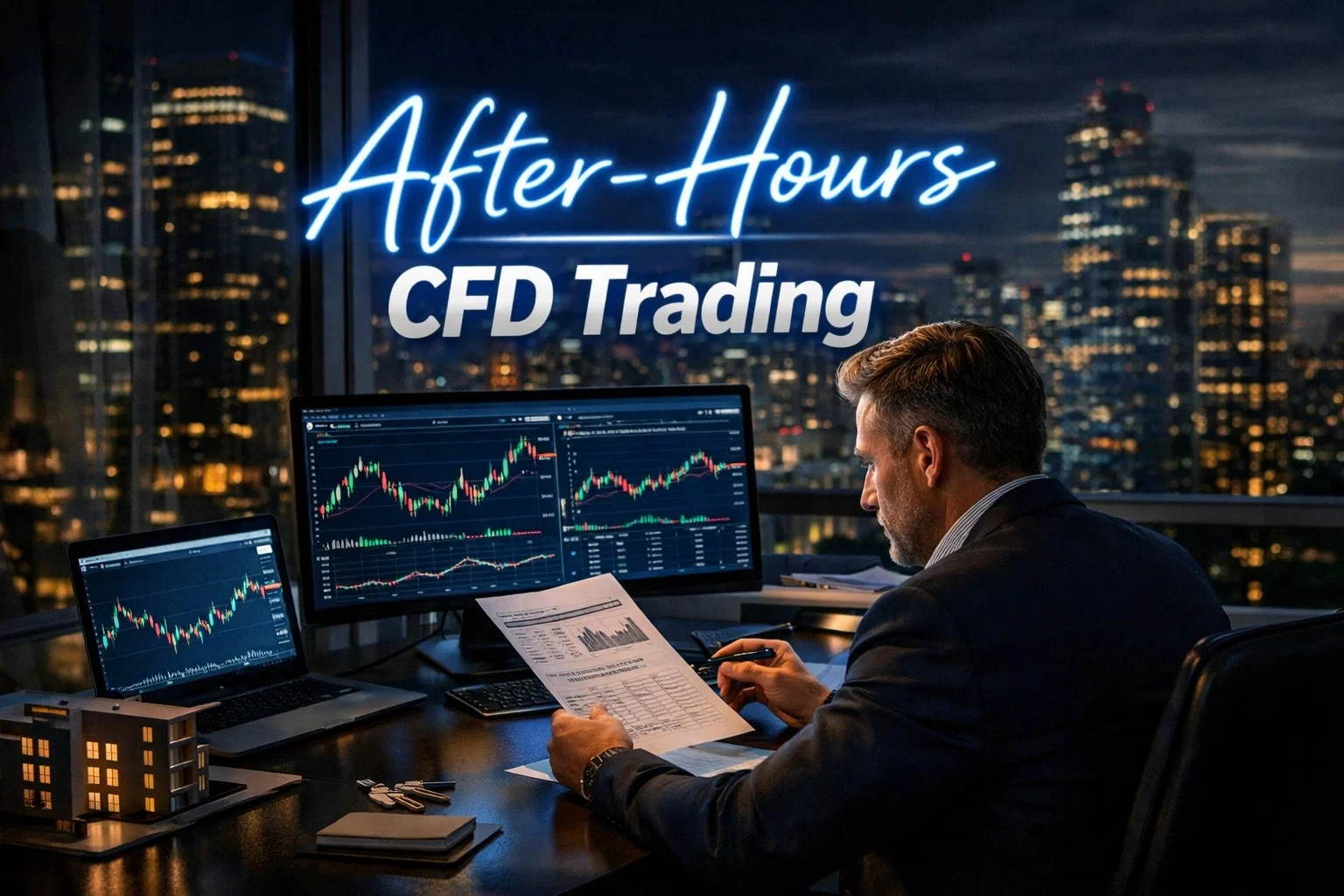
As a Dallas real estate investor, your portfolio is likely anchored in physical properties across thriving neighborhoods like Uptown, Highland Park, or Deep Ellum. While these assets offer excellent long-term yields, they are inherently illiquid. To balance this, many property investors are turning to more liquid instruments for diversification and hedging. After-hours CFD trading is a popular strategy used by traders and investors seeking flexibility and faster reactions to market-moving events. For CFD traders, this strategy presents unique market opportunities to capitalize on price movements before the market reacts.
However, these opportunities come with notable risks. Reduced liquidity, wider spreads, and increased volatility can significantly impact trade execution and your overall profitability. Knowing the pros and cons is essential if you plan to try after-hours CFD trading.
Here, we discuss the key benefits and risks associated with after-hours trading on CFDs, helping you navigate this dynamic but often misunderstood strategy and how it applies to your broader investment goals.
What Is After-Hours Trading on CFDs?
After-hours CFD trading allows traders to speculate on price movements outside regular trading hours. The traditional stock and commodities markets have fixed opening and closing times. However, some CFD brokers extend trading hours to cover pre-market and post-market periods.
Can you trade CFDs during after-hours trading? Yes, you can. During those hours, CFD market prices are derived from a combination of global market activity, futures markets, and broker liquidity providers. However, the market conditions are different, and liquidity is often lower.
For property investors, this means you can trade CFDs on Real Estate Investment Trusts (REITs) or shares of major national homebuilders operating in Texas, allowing you to stay engaged with the real estate sector even when standard markets are closed.
Key Benefits of After-Hours CFD Trading
After-hours CFD trading offers traders on Weltrade greater flexibility and access to opportunities that occur outside standard market sessions. One of the key benefits is the ability to react immediately to economic news, geopolitical developments, and corporate earnings reports. For example, if the Federal Reserve announces an unexpected interest rate shift late in the day, it will immediately impact mortgage rates and real estate stocks. Instead of waiting for the market to officially open the next morning, Dallas investors get an early head start to adjust their positions.
This strategy also works well for traders living in different time zones or who cannot trade during regular hours due to other commitments. It allows them to participate in the global markets since CFDs track the prices of underlying assets, such as stocks, indices, commodities, and REITs.
Another benefit of after-hours CFD trading is that it can serve as a valuable risk management tool. This allows traders and investors to adjust or hedge positions —such as protecting against a sudden drop in property-related stocks, in response to unexpected developments in the broader financial markets.
Major Risks and Challenges Traders Should Know
While trading CFDs during after-hours sessions offers unique opportunities, it comes with its fair share of risks, most of which are less pronounced during regular market sessions.
One of the major downsides is low liquidity. After-hours trading on CFDs doesn’t attract many traders, leading to low market activity and liquidity levels. This makes it harder to execute orders at desired prices, increasing the likelihood of delays and slippage.
Moreover, it often leads to wider bid-ask spreads, meaning traders may enter and exit positions at less favorable prices, raising overall trading costs.
Another key risk is heightened volatility. Prices can move sharply in response to limited order flow or unexpected news, making markets more unpredictable. While volatility can create opportunities, it can also lead to losses if the prices don’t move in your favor. For traders reviewing their performance during these fast-moving conditions, the ability to import Webull trades can make it easier to organize historical activity and analyze how volatility has affected past decisions.
The last significant risk of after-hours CFD trading is limited market information and reduced transparency. With fewer participants, it is more challenging to gauge and evaluate true market sentiment. This means traders must employ disciplined risk management when trading CFDs after standard market hours.